Not sure what to look for in a business branding photographer? This guide covers what the process actually looks like — and what separates commercial work that performs from work that just looks nice.
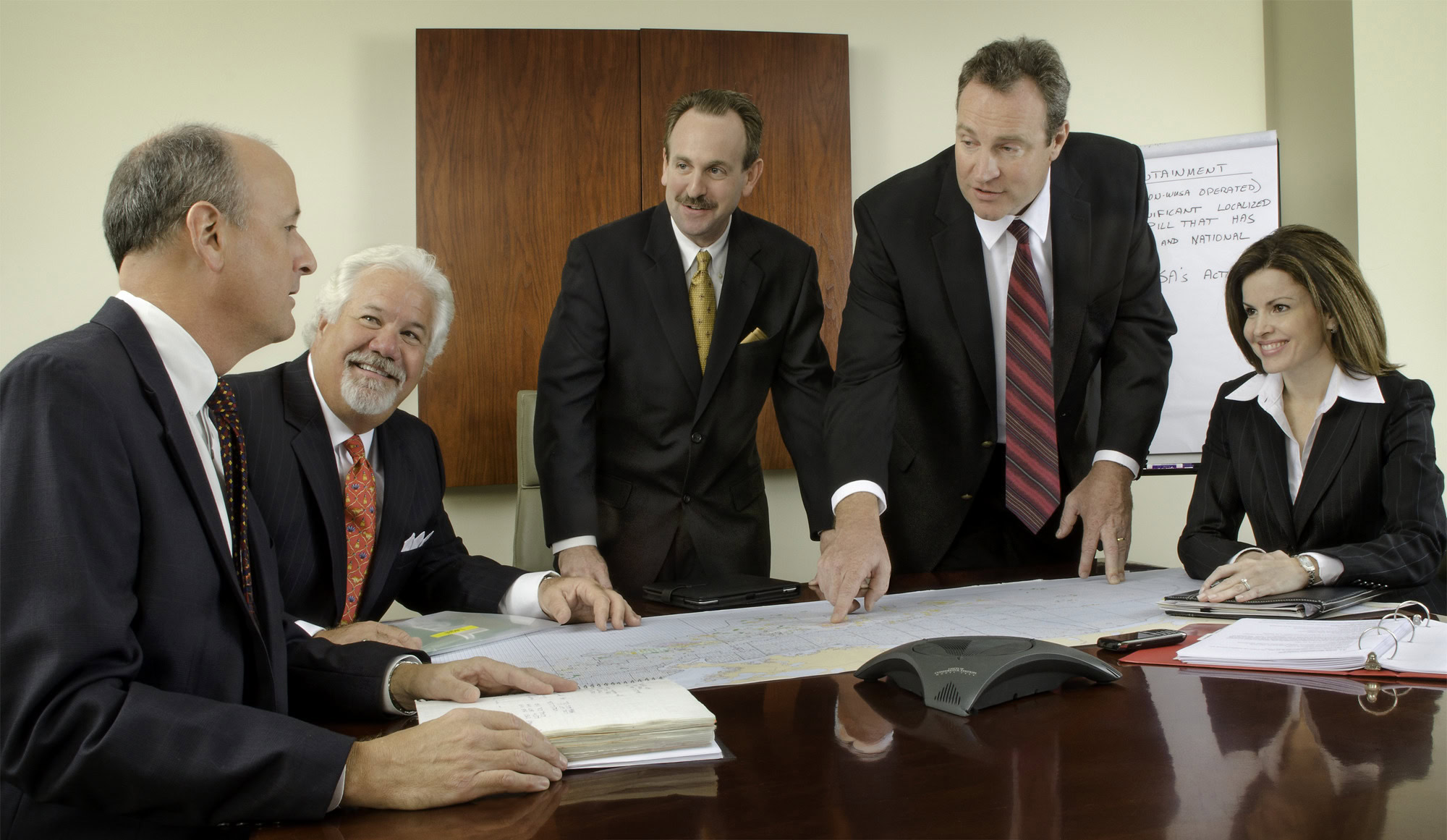
Most businesses don’t realize they have a visual problem until a client says something — or until they lose a pitch to a competitor whose brand just looks more put-together. Your website, your LinkedIn, your pitch deck — they’re all making an impression before you say a word. If the photography feels inconsistent, dated, or like it was shot on a phone in a conference room, that impression sticks.
The good news is that fixing it isn’t complicated. But it does require working with someone who understands commercial photography — not just someone who owns a nice camera. Here’s what that actually looks like.
“Commercial photography” gets used as a catch-all, but it covers a lot of ground. At its core, it means photography created for business use — advertising, marketing, branding, corporate communications, websites, and anything else a company puts in front of clients or the public.
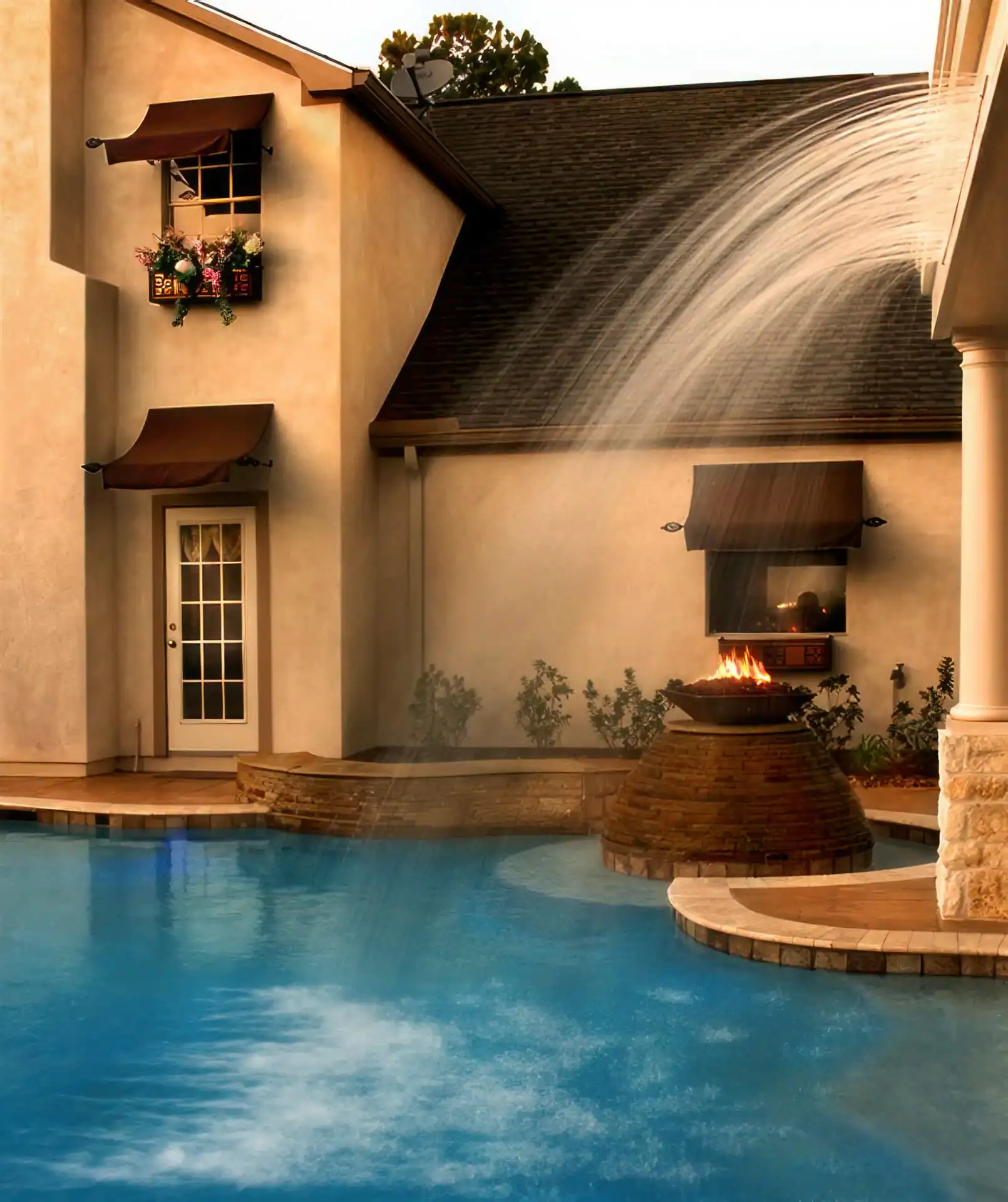
What separates a true commercial photographer from someone who also does commercial work is the range and the intent. A genuine commercial photography practice is built around how images function in business contexts — not just how they look in isolation. That means thinking about crop ratios for web headers, lighting that reads well in print and on screen, and whether the shot list actually covers what your marketing team needs.
We cover still photography, video production, and aerial drone work — all from one studio, with one point of contact, and one consistent visual approach across every deliverable.

This is the part most photographers don’t explain upfront — and it’s the part that causes the most confusion after the fact.
Under U.S. copyright law, photographers retain copyright automatically the moment an image is created. Paying for a photography session doesn’t transfer ownership of the copyright. What you’re purchasing is a usage license — permission to use the images in specific ways, under specific conditions, for a defined period of time. The scope of that license determines what you can actually do with the files you receive.
For business clients, this matters in very practical ways. A license for internal use is different from a license for paid advertising. A regional web license is different from a national print campaign license. If you use images outside the scope of your license — even unintentionally — you’re technically in violation of copyright law. That’s not a hypothetical risk; it’s a real one that catches businesses off guard more often than you’d expect.
We make all of this explicit before the shoot starts. You’ll know exactly what rights you’re getting, where and how you can use the images, and for how long. There’s no ambiguity, no fine print discovered after you’ve already published the campaign.
Basic non-exclusive web licenses for regional use typically run $250–$750 per image. Broader national or multi-platform licenses run higher. The point isn’t the specific number — it’s that licensing is a real, defined thing, and any photographer who doesn’t address it clearly before you book is leaving you exposed.
When we work with clients across Harris County — whether that’s a law firm in Downtown Houston, an energy company in the Corridor, or a medical practice near the Texas Medical Center — we walk through usage rights as part of the initial conversation. It’s not a footnote. It’s foundational to making sure the investment actually works for your business.
A lot of businesses approach commercial photography as a single transaction — book a session, get some files, upload them to the website. The reality is that a website shoot, done right, is a planned content production. And the planning is what makes the difference between images you actually use and images that sit in a folder.
Before anything is photographed, the right questions need to be asked. What pages are these images going on? What’s the aspect ratio of your hero banner? Do you need horizontal images with negative space for text overlays? Are there team pages, service pages, or case study sections that each require different visual treatments? What does your brand color palette look like, and how should the lighting and background choices complement it?
These aren’t creative preferences — they’re functional requirements. A photographer who doesn’t ask them is going to deliver images that may look fine on their own but don’t actually fit the spaces they’re supposed to fill. We’ve seen it happen. A company spends real money on a shoot, gets back beautiful portrait-style images, and then discovers none of them work as website headers because the composition doesn’t allow for a text overlay. That’s a planning failure, not a photography failure.
We approach every commercial photography website shoot with a pre-production conversation that maps deliverables to actual use cases. What’s going on the homepage? What does the About page need? Are there product or service pages that require specific visual support? That conversation happens before we pick up a camera — because the shoot itself should be executing a plan, not improvising one.
For businesses in Harris County, shooting on-location at your office or facility is often the most practical choice — your team doesn’t have to travel, the environment tells a story about your business, and the logistics are simpler. We offer full on-location services across Harris County, as well as studio-based shoots when a controlled environment makes more sense for the work.
Want live answers?
Connect with a Joe Robbins Photography expert for fast, friendly support.
Harris County is not a generic market. It’s home to 26 Fortune 500 companies, the largest medical complex in the world, the nation’s biggest port by foreign tonnage, and one of the most economically diverse metro areas in the country. The businesses here operate in industries with real visual standards — energy, healthcare, legal, aerospace, logistics — and the photography that represents them needs to reflect that.
That context matters when you’re evaluating a business branding photographer. Experience in commercial work generally is a starting point. Experience in the specific industries and environments that define this market is something else.
We’ve been photographing businesses in Houston and Harris County since 1984. That includes offshore rigs and refineries in the days when the oil industry drove everything, Fortune 500 executive portraits, corporate events, product and architectural work, and medical professionals preparing for ERAS residency applications. The range isn’t incidental — it’s the result of four decades of commercial practice in one of the most demanding business markets in the country.
Here’s a problem that’s more common than most businesses realize: a company hires a headshot photographer for their team page, a separate product photographer for their website, and a video production company for a brand reel. Each vendor does decent work individually. But when everything is assembled, the lighting doesn’t match, the color tones are different, and the visual language across the brand feels disjointed — like three different companies sharing one website.
That’s not a small issue. Buyers notice inconsistency even when they can’t articulate exactly what’s off. It creates a subtle but real credibility gap, and it’s entirely avoidable.
When still photography, video, and aerial drone work all come from the same photographer — with the same lighting approach, the same compositional sensibility, and the same understanding of your brand — the result is a visual identity that holds together across every platform and format. That consistency is what makes a brand feel established and trustworthy rather than assembled from parts.
We offer all three disciplines under one roof. One shoot plan, one point of contact, one visual approach across your entire content library. For businesses running integrated campaigns — or simply trying to make their brand look coherent across a website, social media, and marketing materials — this matters more than most people expect until they’ve experienced the alternative.
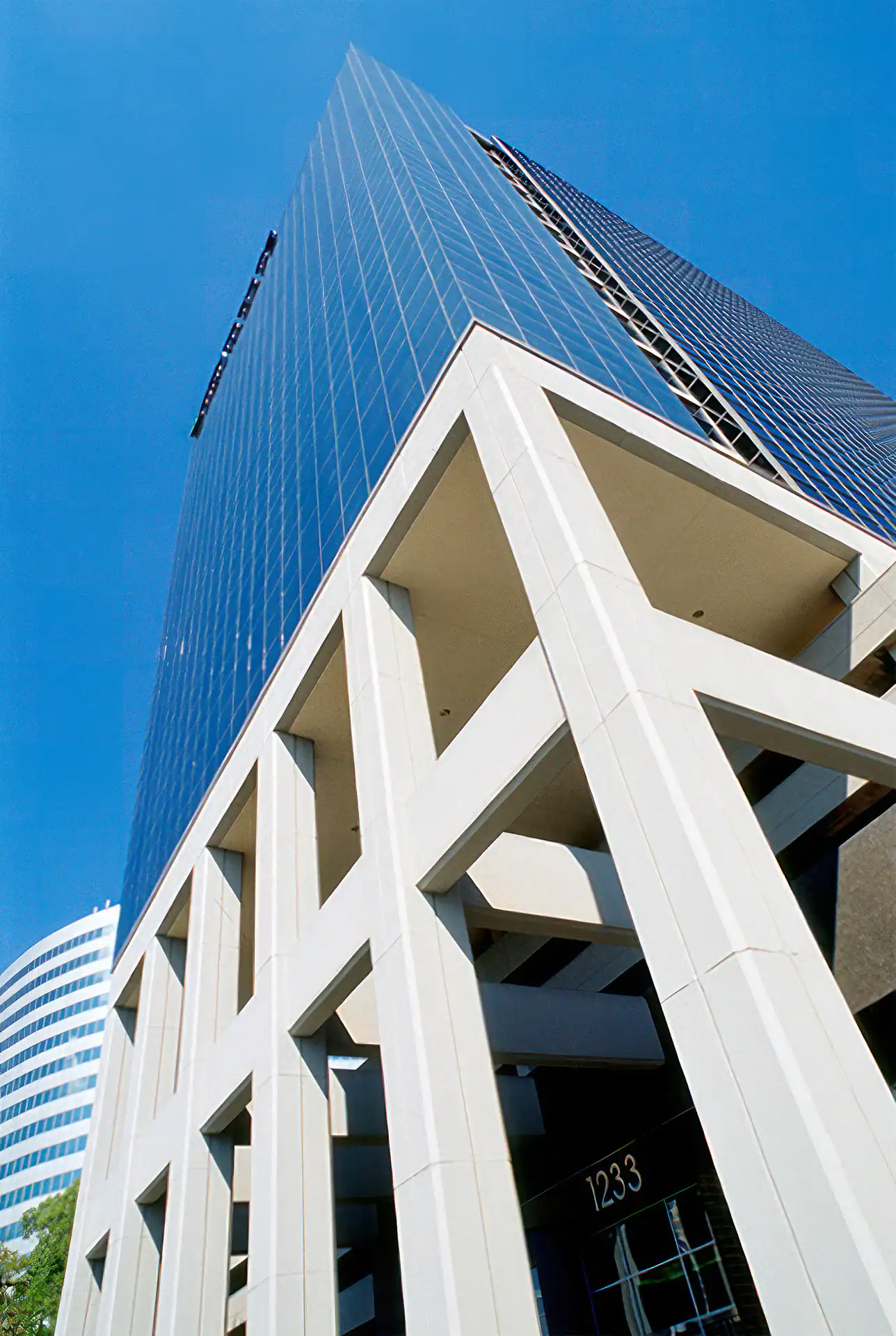
The aerial drone work is worth mentioning specifically. For facility overviews, construction documentation, real estate, and brand storytelling that requires scale, aerial perspective adds something no ground-level shot can replicate. We hold FAA compliance for commercial drone operations, and we integrate aerial work into broader branding shoots when the project calls for it.
There’s a version of this conversation that’s just about credentials — degrees, memberships, years in business. Those things matter, but what they point to is something more practical: a photographer who has been doing this long enough to have seen every way a commercial shoot can go wrong, and who has built a process to prevent it.
Joe Robbins graduated from Brooks Institute of Photography in 1974 with a Bachelor of Arts in Commercial Illustration Photography — one of the most respected photography programs the country has produced. He’s been an ASMP member since 1979 and served as Past President of the ASMP Houston Chapter for eight years. He taught Photography and Digital Imaging at Houston Community College and The Art Institute of Houston for 21 years. He holds a current TWIC card, which is a federal security credential required for unescorted access to secure maritime and port facilities — relevant to any industrial or energy sector client working near the Port of Houston.
That last point is specific to Harris County in a way that’s easy to underestimate. The industrial and energy sectors here don’t just prefer photographers with TWIC credentials — they require them. If your business operates in or around port facilities, refineries, or petrochemical plants in the region, the photographer you hire needs to be able to access those environments legally and safely. Most commercial photographers in the market can’t.
The teaching background is worth pausing on too. Twenty-one years of teaching commercial photography at the college level means building a systematic, principled understanding of the craft — not just intuition developed through practice. It means being able to explain decisions, plan shoots with precision, and solve problems methodically rather than by feel. Clients notice the difference, even when they can’t name it. Reviews from people who’ve worked with us for decades consistently mention the same things: clear communication, shot lists followed precisely, work delivered on time and on budget. That’s not luck. It’s process.
The philosophy behind the work is straightforward: get it right in camera. Photoshop is a finishing tool, not a rescue operation. That approach — rooted in pre-digital training where there was no other option — produces images that hold up across every format and scale, from a website thumbnail to a billboard.
The businesses that get the most out of commercial photography are the ones that treat it like a business decision — not a creative expense. They think about how images will be used before the shoot happens, they ask about usage rights upfront, and they look for a photographer whose experience matches the complexity of what they’re trying to accomplish.
If your brand needs photography that actually works — images that hold up on a website, in a pitch deck, in a campaign, or across a decade of marketing materials — the foundation is a commercial photographer who understands how those images function, not just how they look.
We’ve been doing this work in Harris County since 1984. The industries here, the visual standards they demand, and the specific challenges of photographing in this market — from the Energy Corridor to the Port to the Medical Center — are ones we know well. If you’re ready to have a real conversation about what your brand needs, reach out to us.
Summary:
Article details: