Corporate video production is one of the most effective tools for executive communication — here's what it takes to get it right in Harris County.
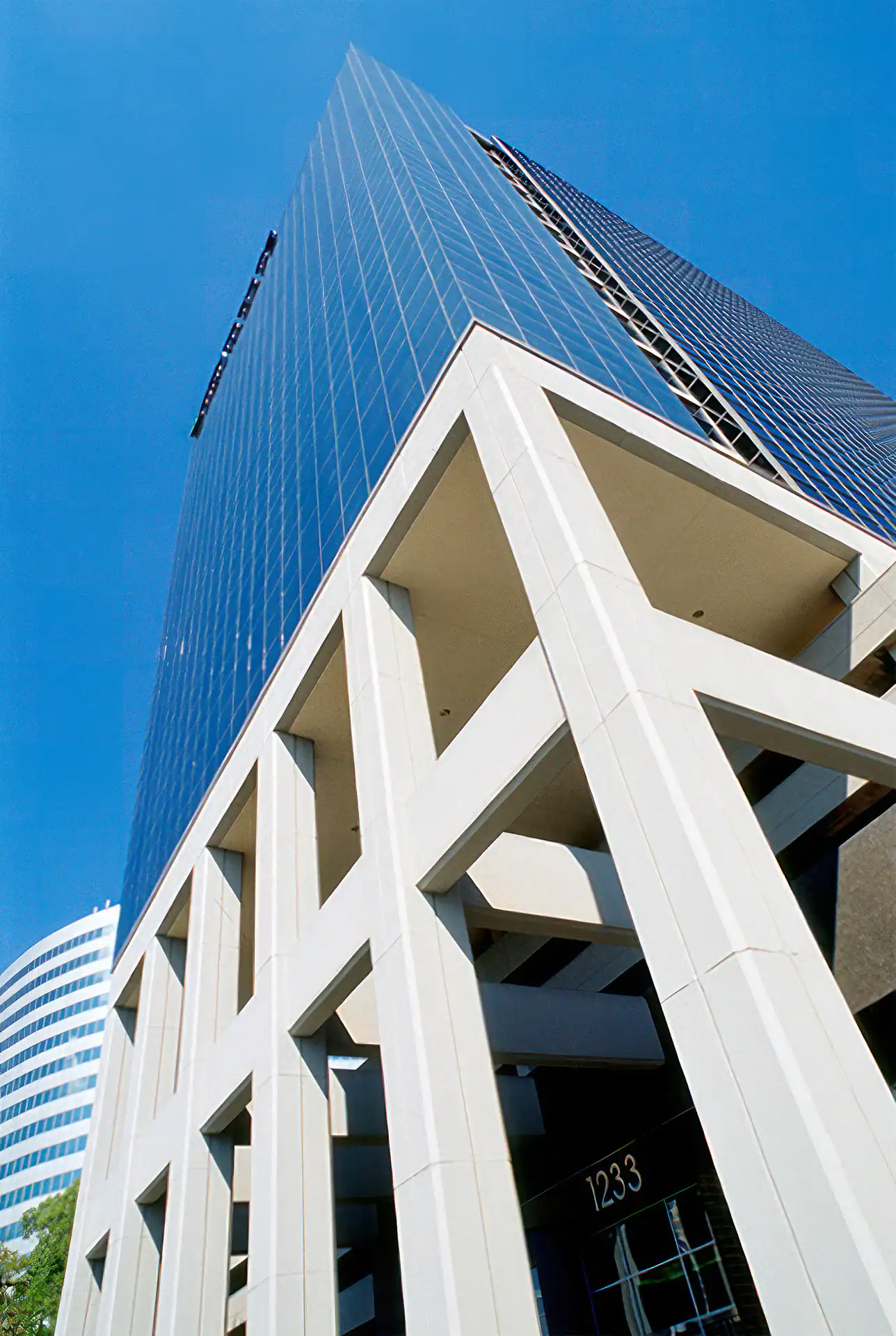
You’ve probably seen the difference between a corporate video that commands attention and one that makes you reach for the mute button. The gap usually isn’t the camera. It’s everything around it — the lighting, the direction, the audio, the way the person on screen actually looks like they belong there. For executives and corporate teams in Harris County, TX, where the bar for professional communication is set by some of the most demanding companies in the country, that gap matters. This page covers what professional corporate video production actually involves, what makes executive presence video work, and what to look for when you’re choosing someone to produce it.
Corporate video production is the process of planning, filming, and editing video content for business purposes — executive communications, training programs, company overviews, testimonials, recruitment, and more. It sounds straightforward, but the distance between a rough cut and a polished, usable final product is where most of the real work happens.
The process typically runs in three phases. Pre-production is where you figure out the objective, the audience, and the structure — scripting or outlining, scouting locations, planning the shoot. Production is the actual filming. Post-production is editing, color grading, audio mixing, graphics, and revisions. Each phase has its own set of decisions, and each one affects the final result.
What often gets underestimated is how much of the outcome depends on the person behind the camera — not just their technical skill, but their ability to direct the people in front of it.
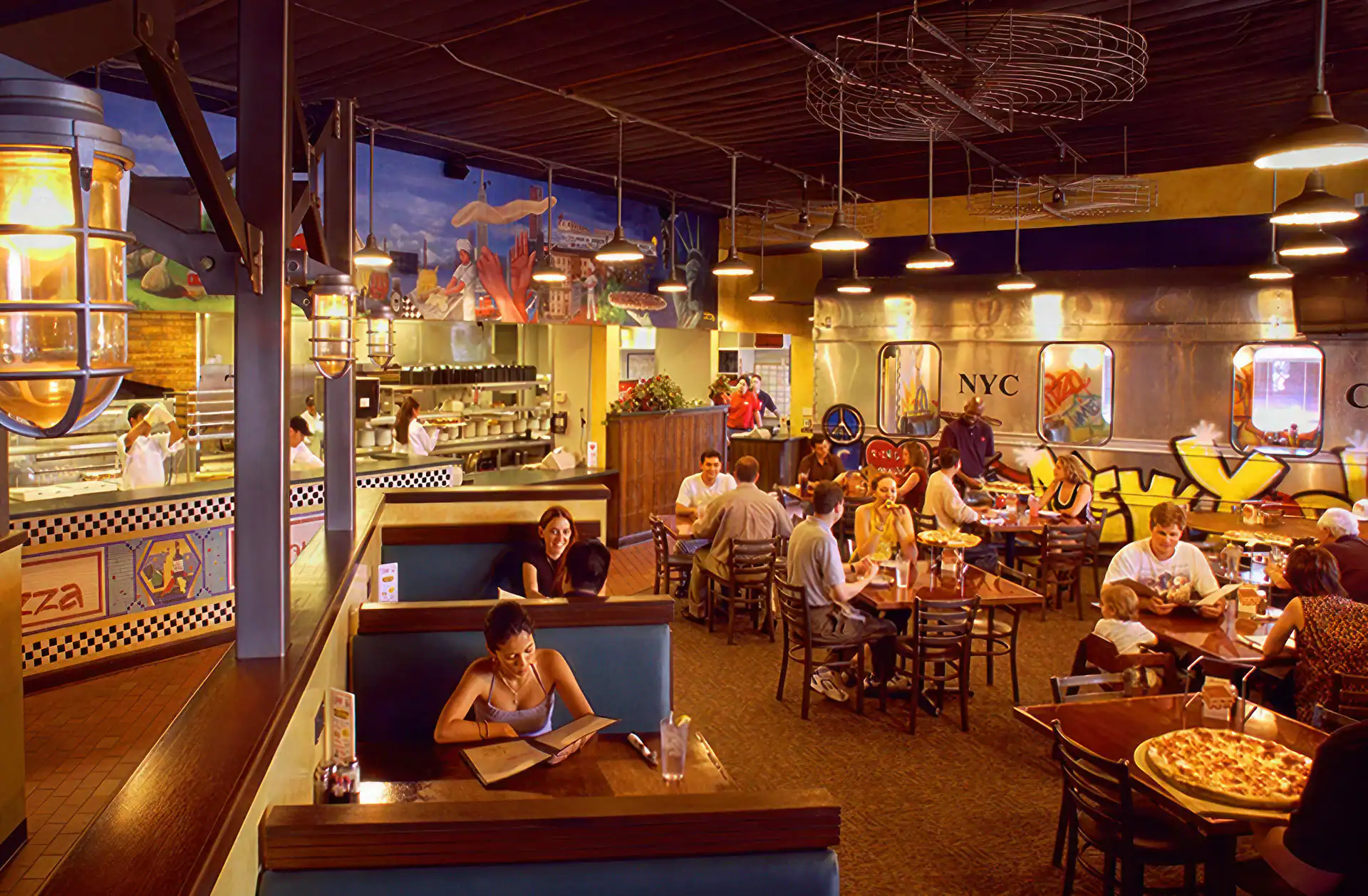
Most executives are confident communicators. They present in boardrooms, lead town halls, speak at industry events. Put a camera in front of them, though, and something shifts. The room disappears. The audience becomes abstract. And without the right direction, even the most polished leader can come across as stiff, rehearsed, or just slightly off.
That’s not a personal failing — it’s a medium problem. Video captures things a live presentation doesn’t: the slight tension in the jaw, the eyes that drift to the wrong place, the delivery that sounds natural in a room but reads as flat on a screen. Getting past that requires more than technical setup. It requires a director who knows how to create conditions where authentic communication actually happens.
We’ve been directing subjects in front of cameras since 1974. That’s not a credential we mention casually — it’s the specific skill that makes the difference between an executive video that builds trust and one that quietly undermines it. Twenty-one years of teaching photography and digital imaging at HCC and The Art Institute of Houston reinforced that skill in a different way: when you teach, you learn how to break down complex processes, explain what’s happening, and help people who are nervous or uncertain find their footing. That carries directly into how we work with executives on camera.
The other piece is light. Fifty years of commercial photography means we understand, at a level most videographers simply don’t, how light falls on a face and what it communicates. Flattering, credible, authoritative — or harsh, cold, and unflattering. The difference is in the setup, and the setup is in the experience.
The answer depends on what you’re actually trying to accomplish, and that’s a question worth thinking through before any camera comes out. The most common types of corporate video we produce for Harris County businesses include executive communications, company overview videos, training and onboarding content, testimonial videos, and recruitment videos. Each one serves a different audience and a different moment in the business relationship.
Executive communications — CEO messages, leadership updates, investor-facing content — are high-stakes because the person on screen represents the organization. The production quality signals something about the company’s standards. A well-produced executive video communicates that the organization takes its communication seriously. A poorly produced one does the opposite, and no amount of good messaging recovers from bad presentation.
Training videos are among the most ROI-positive investments a company can make. Research consistently shows that people retain significantly more from video than from written materials, and a well-structured training video can be used across departments, locations, and time zones without any additional cost. For companies in Harris County’s energy, healthcare, and industrial sectors — where safety training, compliance, and onboarding are ongoing operational needs — this is not a nice-to-have. It’s infrastructure.
Company overview videos and testimonials serve a different purpose: they’re often the first impression a prospect, a job candidate, or a new partner has of your organization. The production quality, the visual consistency, and the authenticity of the people on screen all contribute to that first impression. Getting it right is worth the investment. Getting it wrong is expensive in ways that don’t always show up immediately.
Want live answers?
Connect with a Joe Robbins Photography expert for fast, friendly support.
Harris County is home to 25 Fortune 500 headquarters — the third-highest concentration in the United States, behind only New York City and Chicago. ExxonMobil officially moved its global headquarters here in 2024. Chevron made Houston its global home in early 2025. The Texas Medical Center, the Port of Houston, the Energy Corridor along Katy Freeway — this is a market where corporate communications operate at a genuinely high level.
That context matters when you’re choosing a corporate videography provider. The companies and executives here aren’t working with small-market expectations. They need production quality that holds up against national standards, delivered by someone who understands the specific industries, environments, and communication culture of this market.
We’ve been based at 13501 Katy Freeway — in the heart of the Energy Corridor — and serving Harris County businesses since 1974. That’s not a marketing claim. It’s the actual history.

A significant portion of Harris County’s economy operates in environments that most videographers simply cannot access. Refineries, chemical plants, offshore support facilities, and port terminals along the Ship Channel and the Pasadena-Baytown industrial corridor require more than a camera and a contract. They require a TWIC card — a Transportation Worker Identification Credential issued by the TSA — and the experience to work safely and efficiently in restricted industrial environments.
We hold a current TWIC card and have been producing photography and video in Harris County’s industrial sector since the oil and gas boom of the 1970s and ’80s. Refineries, offshore rigs, petrochemical plants — this is familiar territory, not a stretch assignment. That matters practically: you’re not spending half your production day on safety briefings and access logistics. We know the protocols, we arrive prepared, and we get the work done.
For energy companies, port operators, and industrial manufacturers in Harris County, this combination — TWIC access, decades of sector experience, and professional video production capability — is rare. Most videographers who can produce broadcast-quality corporate content don’t have industrial access. Most industrial photographers don’t produce the kind of polished executive and training video that corporate communications teams need. We do both, which is a straightforward operational advantage for companies that need content from both worlds.
Most corporate communications projects require both. Your website needs headshots and team photography. Your social channels need video. Your annual report needs facility photography and executive portraits. Your LinkedIn presence needs short-form video clips. These aren’t separate projects — they’re different expressions of the same brand identity, and they need to look like they belong together.
The problem with hiring separate photographers and videographers is that they rarely do. Different lighting styles, different compositional instincts, different approaches to color — the result is a brand that looks like it was assembled from parts rather than built from a single vision. It’s a subtle thing, but corporate buyers and prospects notice it, even when they can’t name exactly what’s off.
We handle both still photography and video production, which means your executive portraits, your team headshots, your company overview video, and your training content all come from the same source. The visual language stays consistent. The production timeline stays manageable. And you’re not spending time coordinating between two vendors who’ve never worked together before.
This matters especially for larger projects — a brand refresh, a new facility launch, an executive onboarding package — where the volume of content is high and the need for visual consistency is real. Harris County’s major corporate campuses, medical institutions, and industrial operators regularly need exactly this kind of integrated content production, and it’s a significant part of what we do.
Corporate video production is one of those investments that pays off clearly when it’s done well and costs you quietly when it isn’t. The right provider understands your business objectives, can direct your executives with confidence, delivers on time, and produces content that actually gets used — not content that sits on a hard drive because it didn’t quite land.
Harris County is a demanding market. The companies headquartered here, the industries that drive this economy, and the executives who lead them operate at a high level. The video that represents them should too.
If you’re planning an executive communications video, a training program, a company overview, or any other corporate video project in Harris County, we bring 50 years of commercial visual experience, deep roots in the local business community, and the specific expertise to make your leadership look and sound exactly as credible as they are. Reach out when you’re ready to talk through what you need.
Summary:


Article details: