Houston's black tie gala season is unlike anything else in the country, and photographing it well takes more than a good camera and a wide lens.
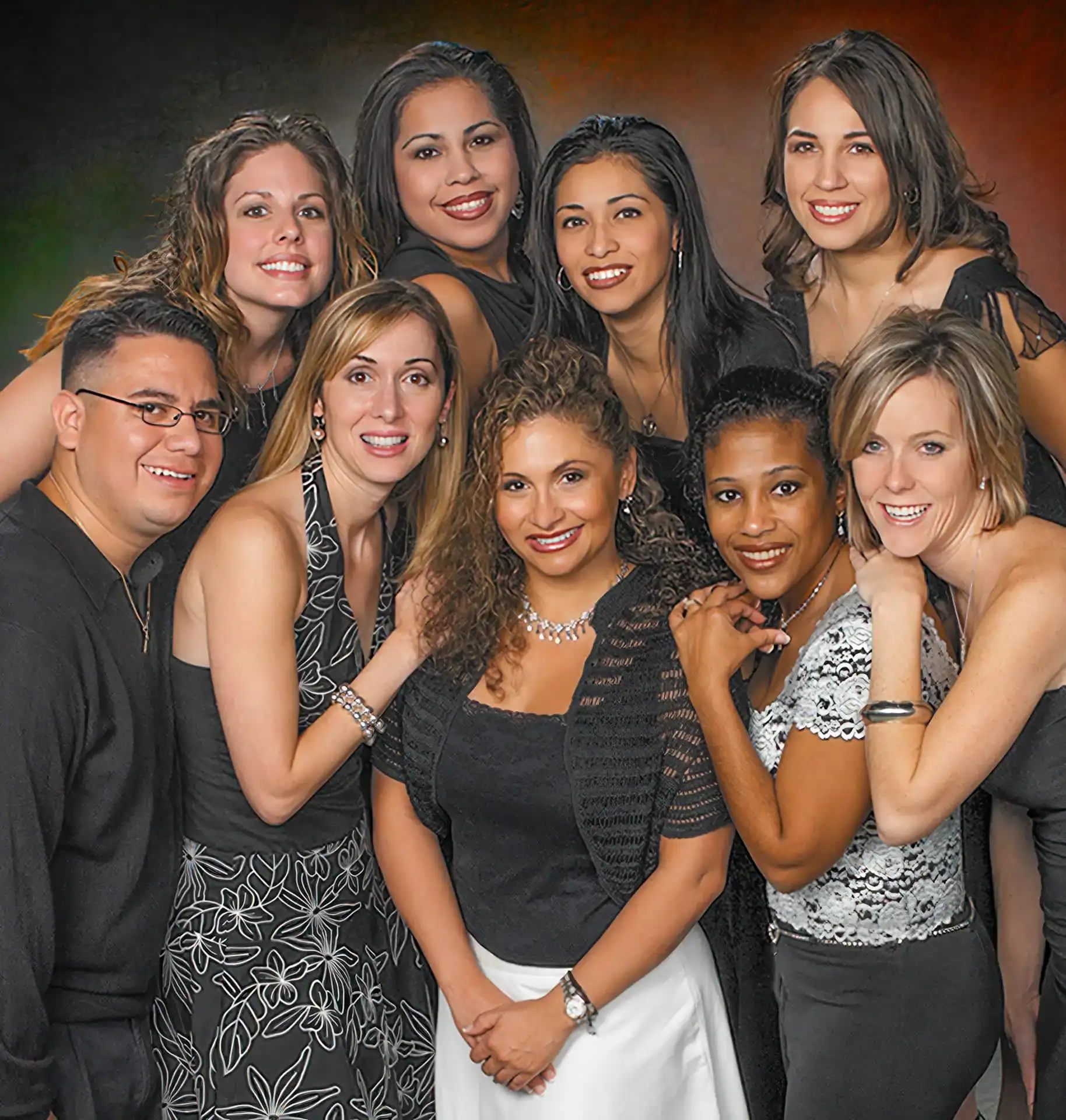
There is no event culture quite like Houston’s. Somewhere between February and March every year, Harris County transforms into the epicenter of the world’s largest rodeo, and with it comes a gala season unlike anything you will find in New York, Chicago, or anywhere else. Guests arrive in custom ballgowns and tuxedos. They are also wearing hand-tooled boots and wide-brimmed hats. Both at the same time. That is not a costume. That is formal Western attire, and it is the real dress code at some of Houston’s prestigious charity events.
Photographing it well is a different skill set than photographing a standard black tie dinner. If you are organizing a gala, chairing an HLSR committee event, or running a nonprofit development office that depends on these images, here is what you need to know.
Most event photographers know how to work a ballroom. They understand low-light exposure, how to balance ambient light with flash, and how to move through a crowd without disrupting the program. Those skills matter. But western formal events in Harris County add a layer of complexity that most photographers, especially those who primarily shoot weddings or corporate headshots, haven’t encountered before.
The combination of wide-brimmed hats, elevated boot heels, and full-length formal gowns creates a set of framing and lighting problems that do not exist at a standard gala. Add a branded step-and-repeat backdrop, a VIP donor list, and a development office that needs named portraits delivered within 48 hours, and you are looking at a job that requires preparation, not just a good eye.

This is the part nobody talks about, and it is where a lot of gala photography falls apart. Custom cowboy boots, the kind guests wear to HLSR committee galas and rodeo kickoff events, typically add one to two inches of height and shift weight forward because of the heel. That changes posture. A subject who normally stands upright will lean forward slightly in boots, which reads as slouching in a photograph if you do not correct for it.
A simple cue to roll the shoulders back and shift weight to the balls of the feet fixes it. You have to know to look for it.
The hat is its own challenge. A wide brim casts a shadow across the face in almost any standard lighting setup. The fix is to position your light source higher and to the side, enough to clear the brim and illuminate the face without creating harsh shadows on the neck or chest. In a ballroom environment where you are working with portable flash, this means adjusting your off-camera flash position before the evening starts, not improvising when the line at the step-and-repeat backs up.
Full-length framing gets complicated when the outfit combines a floor-length ballgown with a hat. The boots are part of the look, and guests have spent money on them and they want them in the photo. But if you pull back far enough to show the boots, you risk losing the detail in the face, especially under a hat.
The solution is to frame thoughtfully and use a focal length that lets you capture the full figure without flattening the image. When in doubt, take two shots: one full-length and one from mid-thigh up. Give the client options.
Posing western formal attire requires active direction, not passive observation. Guests at these events are not models. They are executives, donors, committee chairs, and community leaders who are dressed beautifully and want to look that way in the photos. A photographer who can guide them quickly and naturally, without making the moment feel awkward, is the one who gets the images that get used.
Step-and-repeat backdrops are a fixture at Houston’s major charity galas. The Houston Livestock Show and Rodeo, with its 109 volunteer committees each organizing their own events, means there are dozens of branded backdrops going up across Harris County every February and March. Each one represents a sponsor commitment, a branding investment, and a high-visibility deliverable, and the quality of the photography in front of it reflects directly on the event.
The common problem is inconsistent lighting across subjects. When you have 200 guests cycling through a step-and-repeat over the course of cocktail hour, the exposure has to stay consistent from the first person to the last. On-camera flash is the wrong tool here. It creates flat, harsh light that washes out formal attire and turns skin tones uneven.
Off-camera flash positioned at the right angle, typically 45 degrees to the side and elevated, produces light that is flattering across a range of skin tones and looks good on both dark tuxedos and light gowns.
The hat problem shows up again at step-and-repeats, and it is more acute because you are photographing many subjects in quick succession. A guest who is wearing a wide-brimmed hat will have their face in shadow if they stand straight on to the camera. Angling them slightly, turning the body about 15 degrees while keeping the face toward the lens, usually clears the brim enough to get a clean shot. It takes two seconds to show someone how to stand. Most photographers do not bother, and it shows in the results.
Throughput matters more than most people realize. A slow step-and-repeat photographer creates a bottleneck that frustrates guests and disrupts the event flow. The goal is to move people through efficiently: one or two shots per group, quick posing direction, and a system that keeps the line moving, without making anyone feel rushed. That balance comes from experience, not equipment. We have been working events in Harris County for over 40 years, and the step-and-repeat is one of the places where that experience shows.
Want live answers?
Connect with a Joe Robbins Photography expert for fast, friendly support.
Most event planning checklists do not include this by name, but development directors know exactly what it is. A donor step-and-shoot is a designated portrait station, usually set up during cocktail hour, where major donors, board members, and VIP guests are photographed individually or in small groups. The images are not candids. They are intentional, posed portraits that will end up in thank-you letters, annual reports, and donor recognition materials.
For a nonprofit whose largest gift of the evening might be $50,000 or more, getting a clean, flattering, named portrait of that donor is not optional. It is a relationship asset. And it requires a photographer who is organized, fast, and socially skilled enough to approach and direct VIPs without making them feel like they are being processed.
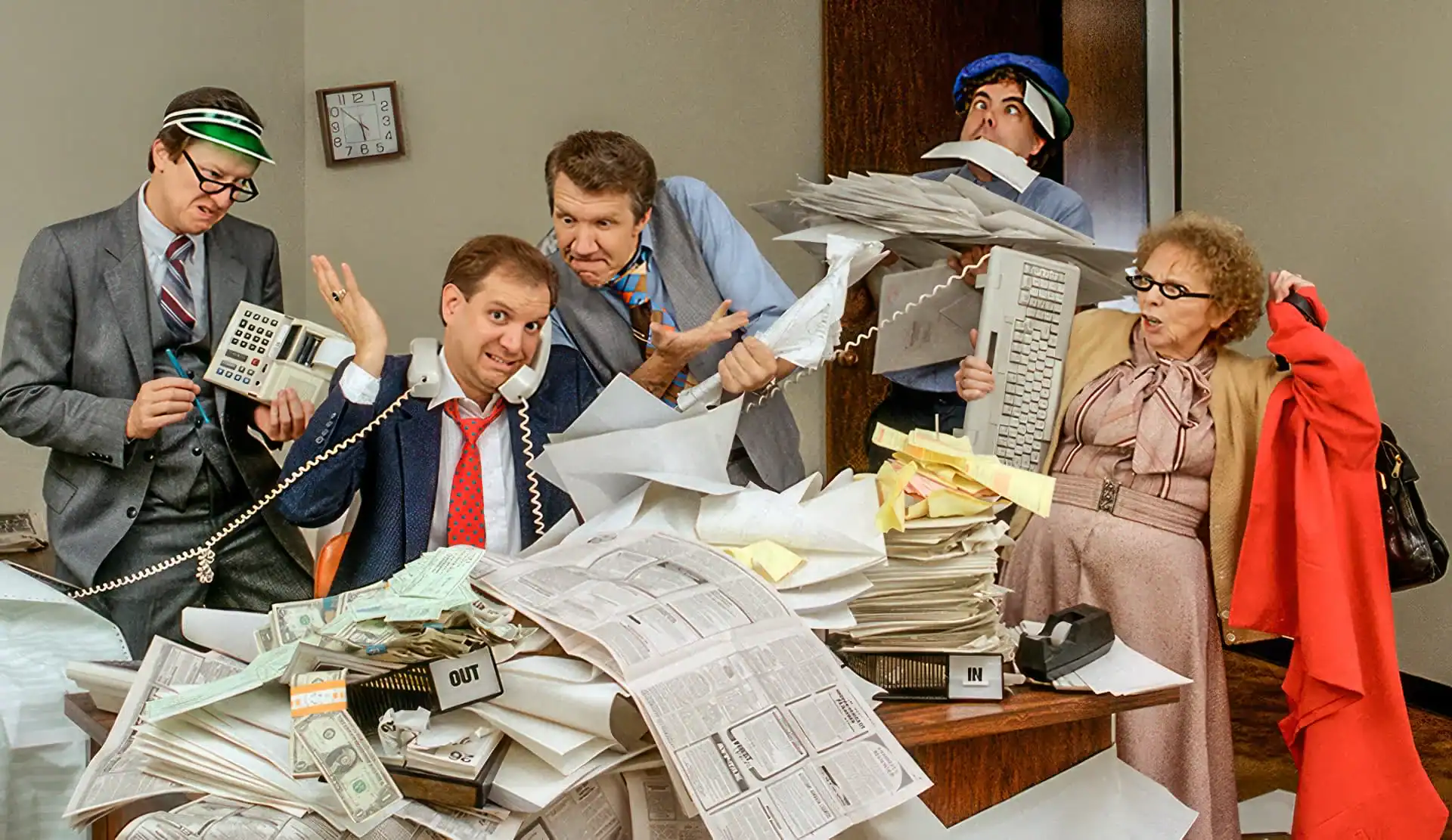
The logistics of a donor step-and-shoot start before the event, not during it. The development office or event chair should provide a list of named donors in advance, ideally with photos or descriptions so we can identify them on sight. That list becomes the shot list for the portrait station. Every name on it gets a portrait. No exceptions, no “we will catch them later.”
At the portrait station itself, the setup matters. Lighting should be flattering for formal attire and consistent; guests should look good if they arrive at 6:15 or 7:45. A simple, clean background works better than a busy branded backdrop for these portraits, because the image needs to be usable in print materials where background clutter is a liability. The framing should be from mid-chest up for individual portraits, or from mid-waist up for couples and small groups.
The name-capture system is critical and overlooked. Every portrait needs to be linked to the donor’s name so the development office can identify images later. This can be as simple as a numbered list that corresponds to the order of shots, with names recorded in real time. Some photographers use a tablet or assistant to capture names as subjects arrive. Whatever the system, it has to be consistent and reliable; a beautiful portrait of an unnamed major donor is less useful than a slightly imperfect portrait with a confirmed name attached.
The social dimension of this work is real. Major donors are not accustomed to being directed. They are used to being the ones in charge. A photographer who approaches them confidently, explains what they need in a sentence or two, and gets the shot quickly, without fuss and without making anyone wait, is the one who earns the development director’s trust and gets called back next year. We have been working with Houston-area executives and professionals long enough to know how to handle that dynamic without drama.
This question comes up in almost every conversation about gala photography, and the answer matters more than most people expect. In Harris County’s charity circuit, post-event communications move fast. Donor thank-you emails go out within 24 to 48 hours. Social media posts from the event committee go up the next morning. Press releases with event photos land in newsrooms before the week is out. If your photographer delivers images three weeks after the event, most of those windows have already closed.
The standard for professional gala photography in Houston is a staged delivery: a first pass of select, edited images within 48 hours for social media and press use, followed by the full gallery, fully edited and named where applicable, within a week to ten days. That timeline requires the photographer to be organized during the shoot, not just after it. Images that are shot well in-camera take less time to edit than images that need to be rescued in post-processing.
For HLSR committee galas and other events with active PR needs, delivery speed is part of the service. Sponsors want to see their logo in photos that are circulating on social media the next day. Committee chairs want to share candid shots with their members while the event is fresh. A photographer who understands that timeline, and builds their workflow around it, is a meaningful operational asset to your event team, not just a vendor who shows up and shoots.
It is also worth noting that image usability is part of delivery. High-resolution files that work for print, web, and social media are the baseline expectation. Named donor portraits delivered in a format the development office can use, not a single massive ZIP file with 800 unnamed images, make a difference in how much value the photography provides after the event is over.
Houston’s gala season is specific, demanding, and unlike anything else in the country. The combination of genuine Western tradition, high-stakes philanthropy, and a concentrated February-March calendar creates a photography environment that rewards preparation and punishes improvisation. Getting the images right, the step-and-repeat portraits, the donor documentation, and the full-length western formal shots, requires a photographer who has done this work, not one who is figuring it out at your event.
If you are planning a charity gala, an HLSR committee event, or any western formal occasion in Harris County, the details in this guide are a starting point. The shot list, the lighting setup, the donor portrait workflow, and the delivery timeline all need to be discussed and confirmed before the evening starts, not after.
We have been working with Houston-area organizations and executives since 1974. If you want to talk through what your event needs, we are easy to reach and happy to have a real conversation about it.
Planning a corporate or charity gala in Harris County? Check our availability.
Summary:

Article details: