If you are exhibiting at OTC or another major Houston energy expo, your visuals do more selling than your sales team. Here is what that means in practice.
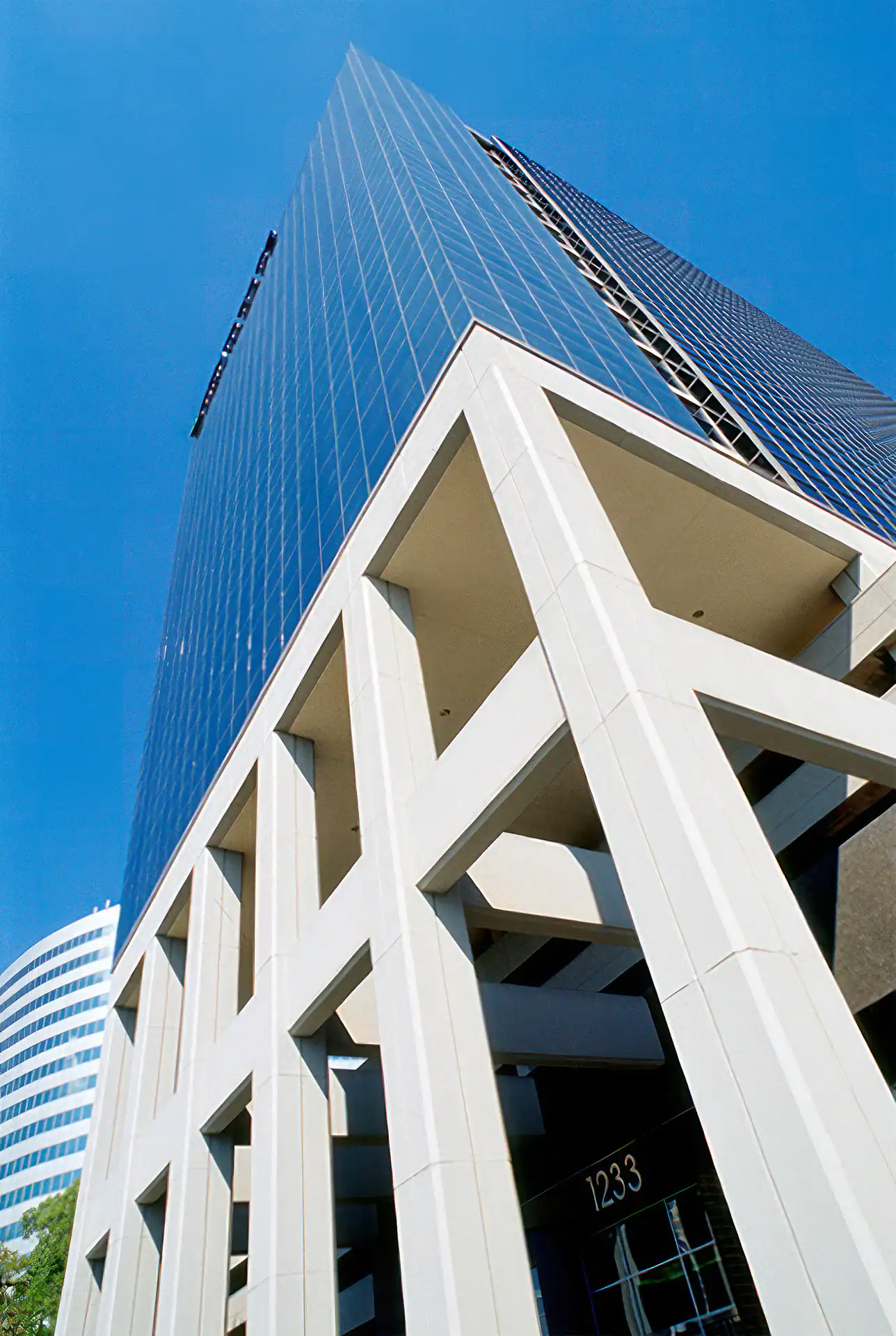
Every May, NRG Park fills with more than 30,000 engineers, executives, and decision-makers from across the global energy industry. The Offshore Technology Conference has been running in Houston since 1969, and it remains the gathering of offshore energy professionals in the world. If your company exhibits there, you know the stakes. What is less obvious, until it is too late, is how much of your credibility at that show lives or dies in the photography behind your booth graphics. This post is about that gap: what great trade show imagery requires, when you need to start, and what separates images that perform from images that just exist.
Most commercial photography is built for screens, websites, social media, and digital ads. Trade show photography has to do all of that and also hold up at ten feet tall on a printed backdrop in a convention hall under bright industrial lighting, surrounded by competing booths trying to steal the same attention you are.
That is a technical requirement. An image that looks sharp on a laptop at 72 DPI can fall apart when it is stretched across a 20-foot booth display. Large-format prints require source photography captured at high enough resolution to produce 100 to 150 DPI at the final output size, and that resolution has to be built into the original file. You cannot manufacture it in post-production.
For OTC exhibitors specifically, this matters because the audience is sophisticated. The people walking that floor know what your equipment is supposed to look like. Blurry, low-contrast, or poorly lit product photography does not look unprofessional; it signals that your company does not take its own work seriously.
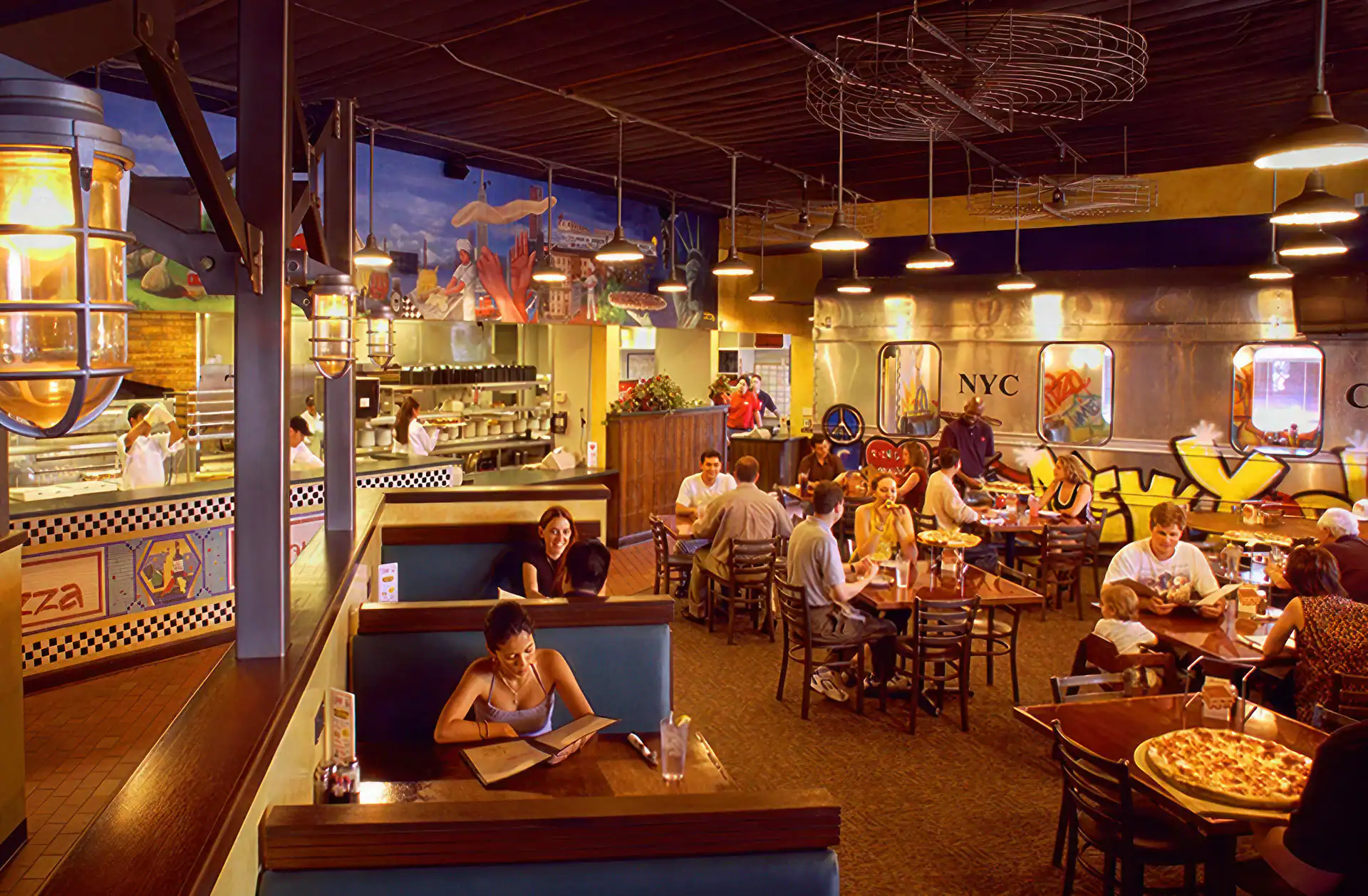
The photos on your website, the ones that look fine on a monitor, were optimized for web use. That typically means they were compressed, resized, or exported at a resolution that works on a screen and falls apart the moment you try to print them large.
It is not a flaw in the original photography, necessarily. It is just that web optimization and large-format print readiness are two targets, and most companies are not thinking about both at the same time when they commission a shoot.
Trade show imagery needs to tell a story quickly, in the seconds it takes an attendee to walk past your booth. That usually means environmental shots of your equipment in context, people-at-work photography that shows your team in action, and product images that convey precision and scale. A product photo cropped tight on a white background might work for an e-commerce catalog. It rarely works as the hero image on a 10-foot booth backdrop at NRG Park.
If your booth is running photos from three years ago, people in your industry will notice. Equipment changes. Teams change. Branding evolves. Showing up at OTC with outdated imagery, especially when your competitors have refreshed theirs, sends a message you do not intend to send.
Before you assume your existing photo library is booth-ready, have someone check the file sizes and resolutions against your booth vendor’s print specifications. More often than not, that conversation reveals the need for a new shoot.
The photography you commission for OTC should not just work for the booth. It should work for everything that surrounds the booth: before, during, and after the show.
Before OTC opens, you are running pre-show marketing campaigns to let contacts know where to find you. During the show, your team is posting on LinkedIn, sharing booth photos, and driving traffic to your exhibit. After the show wraps, you are following up with prospects, updating your website, issuing press releases, and, if you are thinking ahead, starting to build assets for next year. All of that runs on photography.
The companies that get the most out of OTC are the ones who treat the photography session as a content production event, not just a task to check off the booth-prep list. That means planning for multiple deliverables from a single shoot: high-resolution files for large-format print, optimized versions for digital and social, environmental portraits for press and recruiting, and product shots that work across your marketing calendar.
In the energy sector, including upstream, downstream, offshore, subsea, and petrochemical, the visual vocabulary matters. A photographer who does not understand what they are looking at cannot make it look compelling to an audience that does. The images need to reflect technical accuracy and visual authority at the same time, and those things do not happen by accident.
We have been shooting commercial and industrial clients in the energy sector since 1974. We know what this equipment is, what it does, and how to photograph it in a way that communicates both precision and scale, which is what a trade show audience responds to.
Want live answers?
Connect with a Joe Robbins Photography expert for fast, friendly support.
OTC runs every May at NRG Park in Houston. Most exhibitors start thinking about booth photography somewhere between January and March. That is too late.
Large-format print production takes time. Graphic design takes time. Revisions take time. By the point your booth vendor needs final, print-ready files, typically six to eight weeks before the show, your photography needs to be completed, edited, and approved. Work backward from there, and a realistic photography commission date for OTC falls in Q4 of the prior year or early Q1 at the latest.
Starting early is not a scare tactic. It is just the math of the production timeline, and it catches a lot of marketing teams off guard every year.
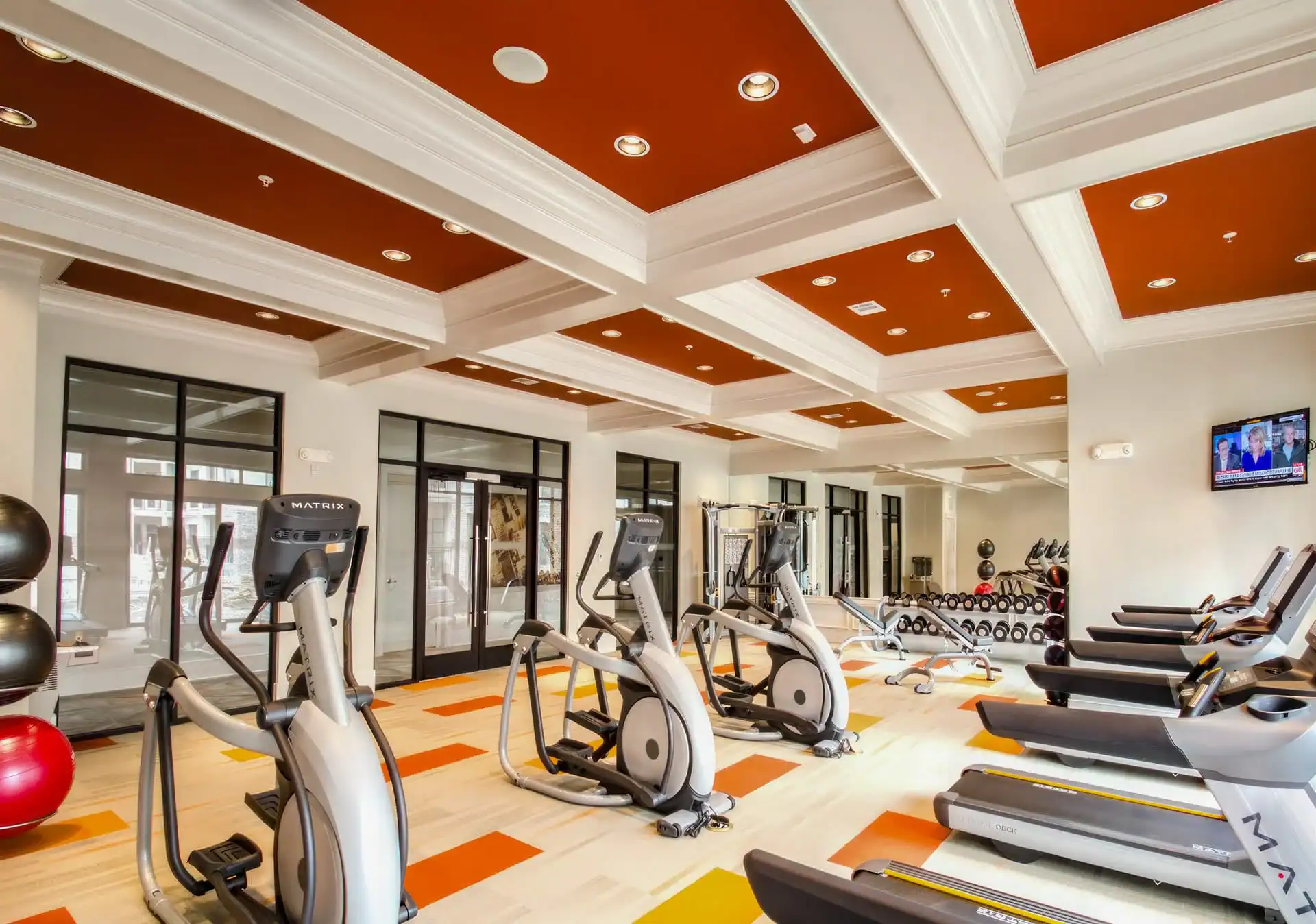
The planning conversation is where the work happens. Before a camera comes out, we talk about where the images are going, such as booth backdrop, website, social, press releases, or trade publications, because that affects how we shoot. Different end uses have different framing, orientation, and resolution requirements, and it is easier to account for those upfront than to try to adapt files after the fact.
For industrial and energy sector subjects, the shoot location is usually on-site. That is where the story is. A compressor skid in a warehouse, a drilling component being assembled, or a team working in a refinery environment needs to be photographed in context to communicate what they do. Studio work has its place for certain product categories, but for the kind of equipment that shows up at OTC, the industrial environment is part of the image.
We also plan for environmental portraits: executives, engineers, and technicians photographed in their work environment. These are some of the versatile assets a company can have. They work for the booth, for LinkedIn, for recruiting, for annual reports, and for press. Planning for those during the same shoot session is efficient and produces images that feel cohesive with the product and facility photography.
We have been navigating industrial environments throughout Harris County and across the Gulf Coast for decades. We know the safety protocols, we understand the facilities, and we don’t need a thirty-minute orientation before we can start working. That matters when your team’s time is limited and the shoot window is tight.
One question we hear often is if the same photographer can handle both the pre-show product photography and on-site event coverage during OTC. The answer is yes, but these are different types of work. Pre-show photography, the booth graphics, the collateral, and the marketing assets, is planned, controlled, and production-oriented. Event photography at the conference is documentary and fast-moving. Both have value, but they serve different purposes. Most exhibitors find that the pre-show photography delivers a longer return, since those assets get used for months or years after the show closes.
Another common question is about usage rights. In commercial photography, the creator typically retains copyright, but for trade show and marketing use, you need broad licensing: print, digital, press, trade publications, and internal communications. That should be clarified before the shoot, not after. We make sure you leave with files you can use across every channel you need, without restrictions that create headaches down the road.
We also get asked if a high-end smartphone is sufficient for trade show booth photography. For social media content captured at the event itself, a phone can work. For the large-format graphics that define your booth at NRG Park, the 10-foot backdrops, the hanging banners, and the floor-to-ceiling displays, the answer is no. Megapixel count is not the limiting factor. Lighting, composition, directorial skill, and the ability to get it right in-camera without relying on post-production to fix problems are what separate booth graphics that stop people from graphics that get walked past.
Harris County is home to more energy companies than almost anywhere else in the world. The competition for attention at OTC reflects that. Companies along the Energy Corridor, out toward the Ship Channel in Pasadena and La Porte, and throughout the greater Houston area are all showing up at NRG Park with marketing investments behind them. The photography is what makes the rest of it land.
If you are exhibiting at OTC or any major energy expo in Harris County, TX, the photography decision is worth making carefully and making early. The booth space, the shipping, and the staffing are the expensive parts. The photography is the piece that determines if all of it looks credible to the 30,000 professionals walking that floor.
What you need is someone who understands the industry, knows how to work in industrial environments, and delivers files that are ready for large-format print and multi-channel digital use, not someone who will figure it out as they go.
We have been creating commercial and industrial photography for energy sector clients in Harris County since 1974. If OTC is on your calendar and you are starting to think about booth preparation, now is the time to have that conversation. Reach out to Joe Robbins Photography and let’s talk about what you need and when you need it.
Need authentic, safety-compliant industrial imagery or executive portraits for your energy firm? Schedule a consultation with Joe Robbins Photography.
Summary:

Article details: