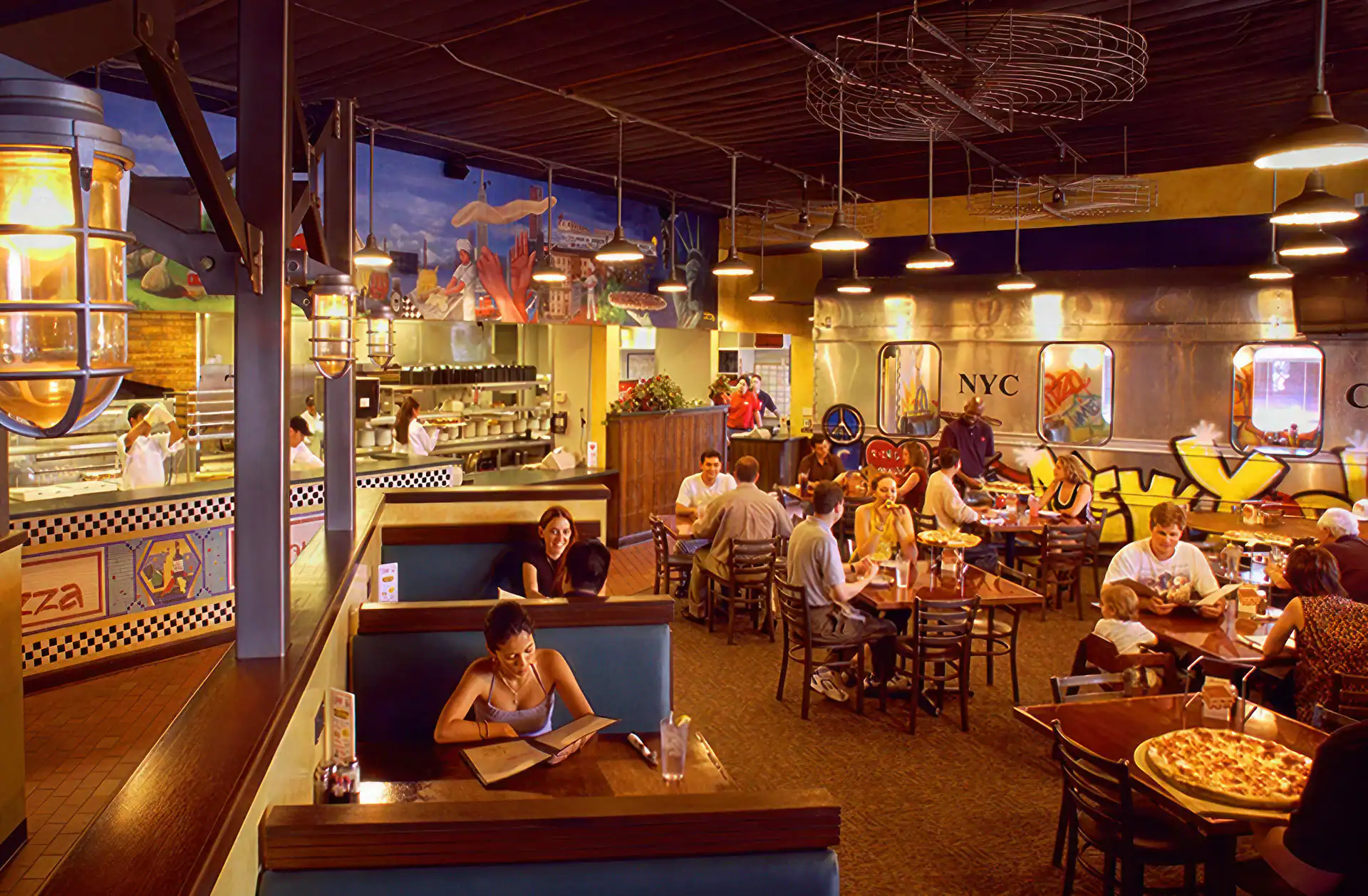
Architectural Photography: Bringing Your Spaces to Life
Architectural photography goes beyond documenting structures—it captures the stories, emotions, and intent behind every space, transforming buildings into visual narratives that resonate with viewers, clients, and investors alike.
Architectural photography is more than a visual record of brick and mortar—it is an exploration of the stories embedded within structures. Every building reflects the aspirations of its creators and the experiences of those who use it, shaped by light, proportion, and environment. Through a thoughtful photographic approach, architectural spaces are transformed into narratives that convey emotion, scale, and intent. Whether documenting towering urban skylines or historic storefronts, architectural photography bridges vision and reality, allowing spaces to communicate their identity long after the first glance.
Architectural Photography as Visual Storytelling
Architectural photography seeks to translate design intent into imagery that communicates atmosphere, purpose, and emotion. Each photograph becomes part of a broader narrative, capturing how a space feels, functions, and interacts with its surroundings. By focusing on light, angles, proportion, and context, photographers reveal the dialogue between a structure and its environment, allowing viewers to connect with the space beyond its physical form.
Understanding Space, Light, and Context
A successful architectural photograph requires an intuitive understanding of how light interacts with surfaces and how shadows define lines and textures. This awareness allows photographers to present spaces in a way that reflects their true essence. Architectural photography carefully documents form and function while inviting viewers to experience the space thoughtfully, often reflecting the original vision of architects and designers through balance, symmetry, and environmental integration.
Architectural vs. Real Estate and Building Photography
Architectural photography differs significantly from real estate and building photography in both intent and execution. While architectural photography emphasizes artistry, storytelling, and design integrity, real estate photography focuses on marketability and practicality, often using wide angles and natural light to appeal to buyers. Building photography tends to be more utilitarian, documenting structures for records or reference without layered narrative. Understanding these distinctions helps guide the appropriate photographic approach based on audience and purpose.
Want live answers?
Connect with a Joe Robbins Photography expert for fast, friendly support.
Professional property photography enhances more than visual appeal—it creates emotional connection. High-quality images communicate lifestyle, functionality, and design cohesion, making spaces more engaging to potential buyers or renters. These images often form the first impression, influencing interest, engagement, and the likelihood of viewings, which can accelerate successful transactions.
Photography as a Tool for Investment and Perceived Value
Beyond aesthetics, architectural photography plays a critical role in attracting investors by visually communicating potential, credibility, and foresight. High-quality imagery reinforces confidence in a project’s value and vision, often justifying premium pricing. These images position properties and developments as competitive, well-conceived assets, shaping how they are perceived in both buyer and investment markets.
Specialized Interior and Exterior Photography Techniques
Interior photography demands precision in portraying depth, dimension, and function, especially in smaller spaces. Techniques such as tilt-shift lenses, controlled lighting, and thoughtful staging help maintain accuracy while enhancing appeal. Exterior photography requires patience and adaptability, accounting for weather, time of day, and dynamic range. Techniques like bracketing and HDR balance bright skies with architectural detail, while careful composition anchors buildings within their environment, revealing character and intent.
Choosing the Right Architectural Photographer in Texas
Selecting an architectural photographer in Texas requires attention to local expertise, technical skill, and storytelling ability. Familiarity with regional architecture, lighting conditions, and environmental nuances enhances authenticity. A strong portfolio should demonstrate versatility across residential and commercial projects, proficiency in handling high-contrast lighting, and mastery of advanced techniques. Equally important is collaboration—choosing a photographer who listens, understands vision, and translates it into compelling visual narratives ensures each space is represented with clarity and purpose.
Summary:
Architectural photography is a form of visual storytelling that captures the relationship between design, light, space, and environment. By understanding a structure’s purpose, context, and emotional impact, photographers translate architectural intent into compelling imagery. High-quality architectural and property photography enhances perceived value, supports marketing and investment decisions, and distinguishes spaces through thoughtful composition and technical precision. Specialized interior and exterior techniques, combined with regional expertise—particularly in Texas—ensure that each structure is portrayed authentically. Choosing the right photographer means selecting a partner who understands both the artistic and strategic power of architectural imagery and can apply those principles across a wide range of visual storytelling disciplines.