
Hear from Our Customers
Your website loads. Someone scrolls. They see your images—and they either trust what they’re looking at or they don’t. It happens in seconds.
That’s where professional photography separates businesses that look established from ones that look like they’re still figuring it out. You’re not just getting pictures. You’re getting images that communicate credibility before you say a word.
Whether it’s product shots that make people want to buy, headshots that make your team look approachable and competent, or commercial work that shows off your facility without looking sterile—good photography does the talking. It shows up on your site, in your ads, on LinkedIn, in proposals. And it either reinforces your brand or it doesn’t.
When the images work, everything else gets easier. People stay on your site longer. They respond to your emails. They remember who you are. That’s not magic—it’s just what happens when your visuals match the quality of your work.
We’ve been creating images for corporate and industrial clients in the Houston area since 1974. That’s five decades of working with energy companies, manufacturers, food industry clients, and high-tech firms—many of them right here in Pasadena, where refineries and industrial operations define the local economy.
This isn’t a side hustle or a hobby that turned professional last year. It’s a career built on understanding what businesses actually need from their photography—and delivering it consistently. Joe taught photography at The Art Institute of Houston for 21 years and continues running workshops, which means the technical knowledge stays current even as the tools evolve.
Pasadena’s industrial backbone means most of the commercial work here involves environments that require safety awareness, lighting expertise, and an understanding of how to make complex operations look clear and professional. That’s the kind of work that doesn’t get learned overnight. It gets refined over decades of showing up, solving problems, and earning repeat business from clients who need it done right.
It starts with a conversation. Not a sales pitch—a real discussion about what you’re trying to accomplish, where the images will be used, and what success looks like for your project.
From there, the planning begins. If it’s a product shoot, that means understanding your brand, your lighting needs, and the angles that make your product look its best. If it’s corporate headshots, it’s about scheduling, location setup, and making sure your team feels comfortable in front of the camera. For industrial or architectural work, it involves site visits, safety protocols, and coordinating around your operations.
On shoot day, the focus is on getting it right. That means proper lighting, clear direction, and enough coverage to ensure you’re not left wishing you had one more angle. If something isn’t working—a pose feels stiff, the lighting’s off, the composition isn’t quite there—we adjust it in real time.
After the shoot, you get professionally edited images delivered in the formats you need. High resolution for print, optimized files for web, whatever the project calls for. And if you need revisions or additional edits, that’s part of the process too. The goal is images you’ll actually use—not files that sit on a hard drive because they didn’t quite work.
Ready to get started?
Our photography service covers the full range of what businesses in Pasadena and the greater Houston area actually need. That includes commercial photography for marketing and advertising, corporate photography for internal and external communications, product photography that makes your offerings look worth buying, and industrial photography that captures your operations clearly and safely.
Portrait photography and professional headshots are a big part of the work too—whether that’s executive portraits for your leadership team, employee headshots for your website, or personal branding images for professionals who need to look credible online. Architectural photography rounds out the service for firms that need to showcase facilities, office spaces, or completed projects.
In a city like Pasadena, where 70% of the economy ties back to industrial operations—refineries, chemical plants, manufacturing facilities—there’s a real need for photographers who understand how to work in those environments. That means knowing the safety requirements, understanding how to light large spaces, and being able to capture the scale and complexity of industrial work without making it look chaotic.
Our service also includes the consultation and planning that happens before the shoot, the professional editing afterward, and the delivery of files in whatever format your project requires. You’re not just paying for someone to show up with a camera. You’re paying for the experience that ensures the images actually work for what you need them to do.
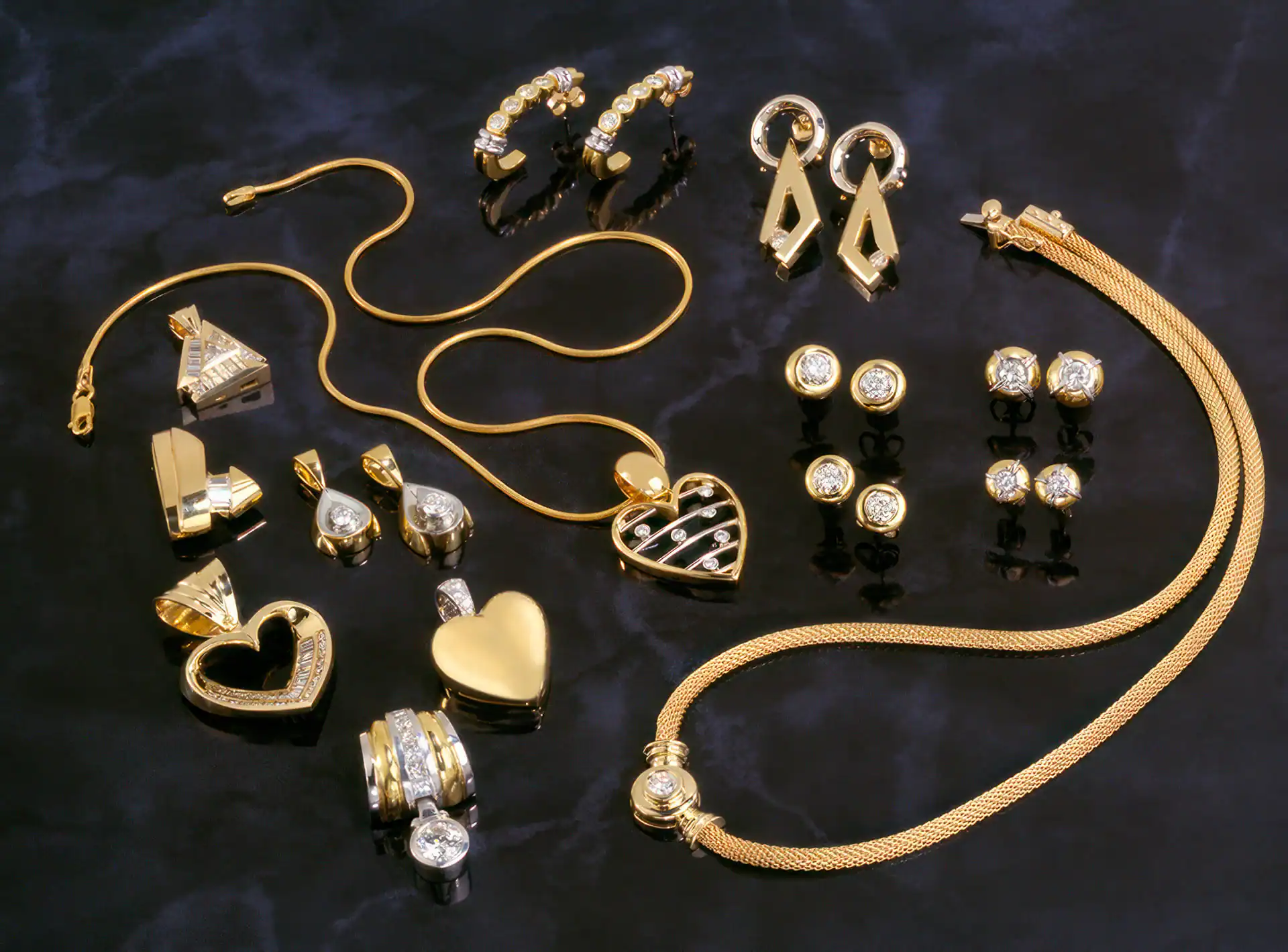
Smartphone cameras have gotten better, no question. But there’s a massive gap between a decent photo and a professional image that actually serves a business purpose.
Professional photography means controlled lighting, not whatever happens to be in the room. It means lenses that don’t distort your product or make your space look cramped. It means someone who knows how to direct a shot so your team doesn’t look awkward or stiff. And it means editing that brings out the best in the image without making it look over-processed or fake.
When you’re using images on your website, in print materials, or in advertising, the quality difference is obvious. Professional photos make you look established. Smartphone photos—even good ones—make you look like you’re cutting corners. If your competitors are investing in professional imagery and you’re not, that gap shows up in how people perceive your brand. It’s not about being fancy. It’s about looking like you take your business seriously.
It depends entirely on what you’re shooting and how much coverage you need. A simple headshot session for one person might take 30 minutes. A full-day industrial shoot at a refinery with multiple locations and safety protocols could run six to eight hours.
Product photography usually falls somewhere in between. If you’re shooting a handful of products with a few angles each, plan on a couple of hours. If you’re photographing an entire product line with lifestyle shots, detail shots, and multiple setups, it could take a full day or more.
The key is planning it right on the front end. That’s why the consultation matters. If you know exactly what you need and we plan the shot list in advance, the actual shoot goes faster and you don’t end up paying for time spent figuring things out on the fly. Rushed shoots lead to missed shots. Well-planned shoots lead to images you’ll actually use. The time investment is worth it when the alternative is having to reshoot because something got missed.
Both. A lot of commercial and industrial work in Pasadena happens on location because that’s where the story is. If you’re a manufacturer and you want images of your facility, your equipment, or your team in action, that shoot happens at your site.
Studio work makes sense when you need controlled conditions—product photography, certain types of portraits, anything where you want a clean background and perfect lighting. But even then, a studio setup can be brought to your location if that’s more convenient for your team.
For corporate headshots, it often makes sense to set up at your office so your employees don’t have to travel. For architectural photography, obviously that’s happening wherever the building is. The point is to go where the work needs to happen, not force you into a setup that doesn’t fit the project. Flexibility matters, especially when you’re coordinating around business operations that can’t just stop for a photo shoot.
Pricing depends on the scope of the project, how much time it takes, and what you’re getting in return. A basic headshot session is going to cost less than a full-day industrial shoot with multiple locations and extensive editing.
Most commercial photography gets quoted per project, not per hour, because that gives you a clearer picture of what you’re actually paying for. That quote factors in the consultation and planning, the shoot itself, the editing and retouching, and the delivery of final files in the formats you need.
What you’re really paying for is the difference between images that work and images that don’t. If you’re putting photos on your website, in a proposal, or in an ad campaign, and those images make people trust you more and take action, that’s worth the investment. If you go cheap and the images look cheap, you’ve just wasted money on something that’s actively hurting your brand. The goal isn’t to find the cheapest photographer. It’s to find someone who delivers images that actually do what you need them to do—and that’s where the value is.
Turnaround time depends on the project size and how much editing is involved, but most projects are delivered within one to two weeks. If you’ve got a tight deadline—say you need headshots for a conference next week or product images for a launch—that can usually be accommodated with advance notice.
The editing process isn’t just running photos through a filter. It’s color correction, exposure adjustments, retouching, cropping, and making sure each image actually looks professional. Rushing that process leads to subpar results, and that defeats the purpose of hiring a professional in the first place.
That said, if you need a few selects turned around quickly for immediate use, that’s something that can be discussed upfront. The key is communicating your timeline during the planning phase so expectations are clear. You’ll get your images when they’re ready to actually use—not when they’re half-finished and still need work.
Yes. In fact, that’s one of the most common requests. Businesses know they need strong visuals for their digital presence, but they’re not always sure what that looks like or how to make it happen.
Website photography usually means a mix of images—headshots of your team, photos of your products or services in action, shots of your facility or workspace, and anything else that helps tell your story visually. Social media often needs similar content, but optimized for how people actually scroll through feeds. That might mean tighter crops, more candid moments, or images that work well in a square format.
The process starts with understanding where the images will be used and what you’re trying to communicate. From there, it’s about capturing a library of content that gives you options. You don’t want to be stuck using the same three photos over and over because that’s all you have. You want enough variety that your website and social channels feel current, professional, and aligned with your brand. That’s what a solid photography service delivers—images that work across every platform where your business shows up.
Other Services we provide in Pasadena