

Hear from Our Customers

Your website converts better when the headshots don’t look like they were taken in someone’s garage. Your proposals land harder when the product shots are sharp, well-lit, and composed by someone who’s been doing this since before Photoshop existed.
You’re not looking for the cheapest option. You’re looking for someone who shows up on time, understands what you need without a lengthy explanation, and delivers images that make your marketing team’s job easier. That’s the difference between hiring a photographer and hiring a professional photographer who’s been solving these exact problems since 1984.
When your imagery reflects the quality of your actual work, you stop apologizing for your visuals and start using them as a competitive advantage. That’s what happens when technical skill meets four decades of commercial photography experience in Southside Place and greater Houston.
We’ve been creating professional photography since 1974 and running this business since 1984. That’s not a marketing line—it’s relevant because the technical foundation we built before digital cameras existed means your images get corrected in-camera, not salvaged in post-production.
We’ve taught photography for over twenty years at institutions like The Art Institute of Houston, served as president of the ASMP Houston chapter, and worked with everyone from ad agencies to corporate communications teams across Southside Place, West University, Bellaire, and the broader Houston area. You’re working with someone who understands both the creative and business side of commercial photography.
This isn’t a side hustle. It’s a career built on repeat clients who need their corporate headshots, product photography, architectural shoots, and industrial documentation handled correctly the first time.
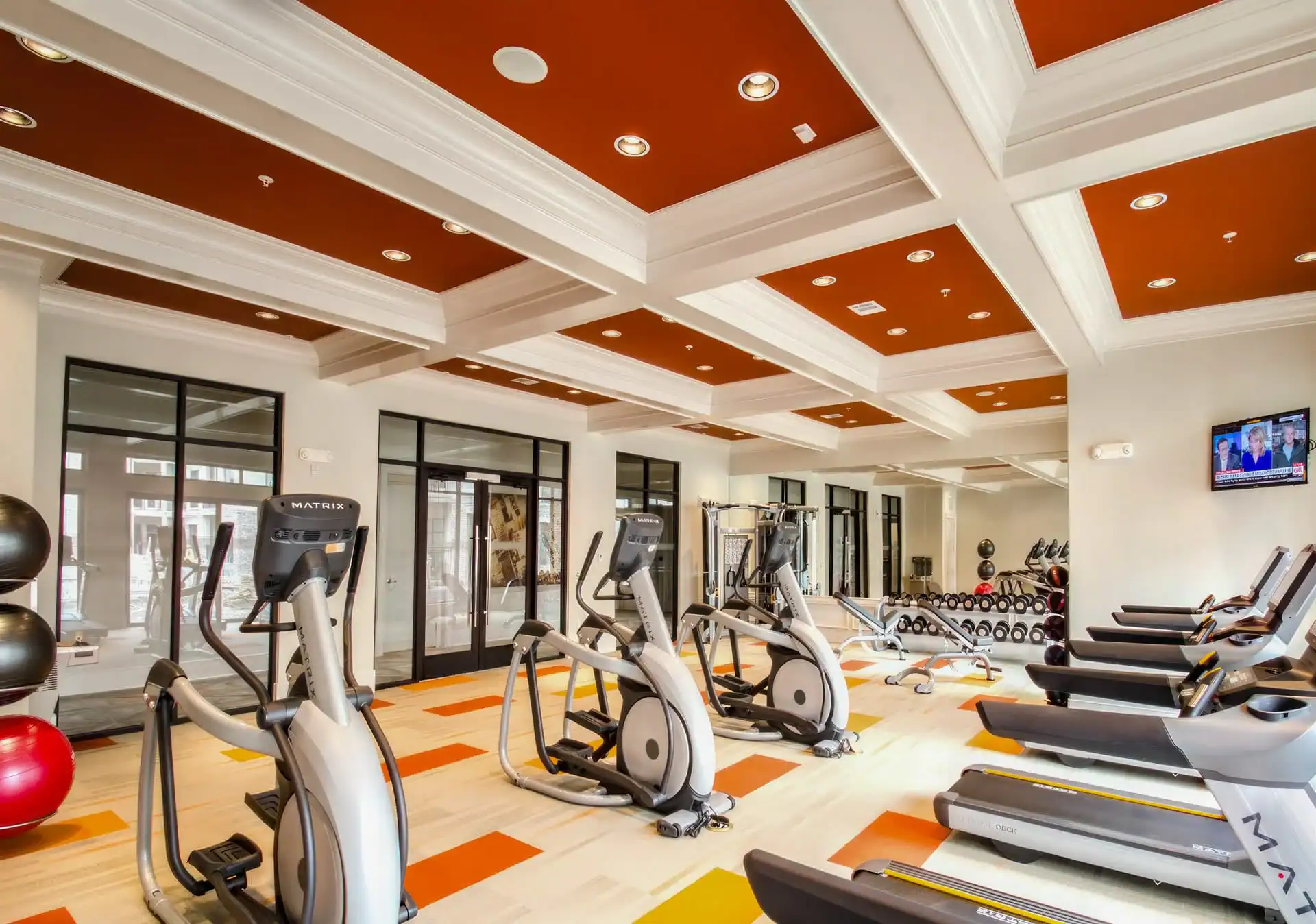
You reach out with your project details—whether that’s executive portraits, commercial product shots, or architectural photography for your property. You’ll get a response that actually addresses your timeline and budget, not a vague “let’s chat” runaround.
Before the shoot, there’s a conversation about what you’re using these images for. That context matters because LinkedIn headshots require different lighting than images for a printed annual report. The shoot itself is efficient—you’re not spending half your day on something that should take an hour.
After the session, you receive professionally edited images within the agreed timeframe. Edits enhance what was captured, they don’t fix what wasn’t. That’s the advantage of working with someone who learned photography when getting it right in-camera was the only option.
If you need revisions or additional shots, that gets handled directly without the back-and-forth that usually comes with creative projects. You get what you need, when you need it, without the drama.
Ready to get started?
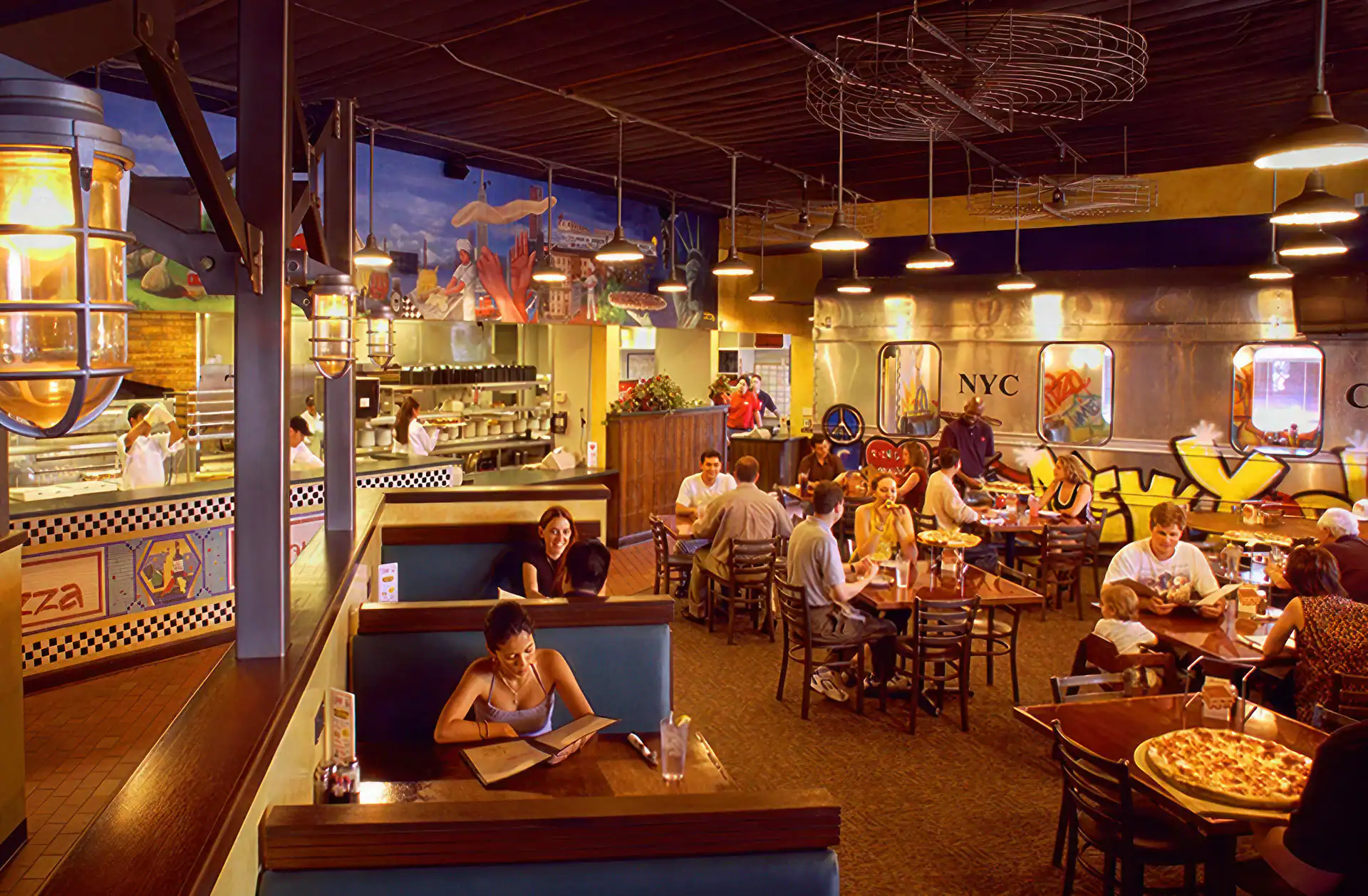
Corporate headshots that don’t make your team look uncomfortable. Product photography that shows texture, detail, and quality without over-editing. Architectural shots that capture your space the way it actually looks—just better lit and properly composed.
For Southside Place businesses, this also means understanding the local market. You’re serving clients with high expectations in one of Houston’s most affluent communities where median household income exceeds $193,000. Your visuals need to match that caliber, whether you’re in healthcare, finance, or professional services—the sectors that dominate this area’s white-collar economy.
Industrial photography comes with the proper credentials, including current TWIC clearance for facility access. Food photography for Houston’s restaurant scene. Event coverage for corporate functions. The range exists because commercial clients rarely need just one type of photography—they need someone who can handle multiple projects without farming out work to subcontractors.
You’re not paying for just the shoot time. You’re paying for decades of problem-solving experience, professional-grade equipment, and the efficiency that comes from having done this thousands of times before.

Professional photography in Houston typically runs $200-$500 per hour, but that number doesn’t tell you much without context. What you’re actually paying for is the difference between images you can use and images that actively help your business.
A corporate headshot session for a small team might run differently than a full-day product shoot requiring specialized lighting setups. The investment makes sense when you consider that businesses consistently report higher conversion rates with professional imagery versus DIY photos or cheap alternatives.
Here’s what matters more than hourly rates: are you getting images that justify their cost? If your website converts better, your proposals look more credible, or your LinkedIn presence actually generates leads, the photography paid for itself. That’s why clients in Southside Place’s professional sectors—healthcare, finance, management—don’t shop for the cheapest photographer. They look for ROI.
A commercial photographer understands business context. You’re not just getting someone who knows camera settings—you’re getting someone who understands what these images need to accomplish for your company.
That means knowing the difference between headshots for a law firm website versus portraits for a healthcare provider’s marketing materials. It means understanding product photography requirements for e-commerce versus images for print catalogs. It means showing up with backup equipment because your timeline doesn’t have room for technical failures.
The experience factor matters more than most people realize. Someone who’s been shooting commercial work since 1984 has solved your exact problem dozens of times before. You’re not their learning experience. We’ve worked with ad agencies, corporate communications teams, and business owners who need it done right the first time. That’s the difference, and it shows up in both the final product and how smoothly the actual process runs.
Turnaround time gets established before the shoot based on your actual needs. If you need headshots for a website launching next week, that’s a different timeline than product photography for a catalog going to print next month.
Standard turnaround is typically within a week for most commercial projects, but rush delivery is available when your timeline demands it. What you won’t get is the amateur photographer problem where you’re following up repeatedly wondering when your images will arrive.
The editing process focuses on enhancement, not salvaging poorly captured images. That’s faster and produces better results. Color correction, exposure adjustments, and professional retouching happen efficiently because the foundation was captured correctly during the shoot. You receive high-resolution files in the formats you actually need—whether that’s web-optimized JPEGs or print-ready TIFFs—without having to explain what those specifications mean.
Your phone is fine for social media snapshots. It’s not fine for imagery that represents your business to clients making five- or six-figure decisions.
The technical difference is obvious—professional lighting, proper lenses, color accuracy, and composition that actually directs the viewer’s attention where you need it. But the bigger issue is what those images communicate about your business. When your competitors are using professional photography and you’re using phone photos, you’ve already lost credibility before the conversation starts.
This matters especially in Southside Place’s professional market where 90% of adults have college or advanced degrees and median household incomes exceed $193,000. Your potential clients are sophisticated enough to notice the difference, even if they can’t articulate why your visuals feel less professional. In sectors like healthcare, finance, and business services that dominate this area’s economy, image quality isn’t vanity—it’s a business requirement. You can’t charge premium rates while presenting budget visuals.
Start with relevant experience in your specific type of photography. Someone great at weddings isn’t automatically great at product photography. Someone who shoots real estate might not understand corporate headshot requirements. You need a photographer whose portfolio shows they’ve successfully handled projects like yours.
Check how long they’ve been in business—not just taking photos, but running a professional photography business. That longevity indicates they understand deadlines, client communication, and business requirements beyond just creative vision. Look for teaching credentials or industry involvement, which suggests they’re respected enough in their field to educate others.
For commercial work in the Southside Place area, you also want someone familiar with Houston’s business landscape. We understand local client expectations, have the proper credentials for specialized shoots (like TWIC cards for industrial photography), and stay responsive to communication. The cheapest option usually costs more in the long run through missed shots, poor quality, or unprofessional service. Find someone whose process is clear, whose timeline is realistic, and whose previous clients actually got results from the imagery.
One qualified commercial photographer can handle corporate headshots, product photography, architectural shoots, industrial documentation, and food photography. The advantage is consistency across all your visual content and not managing multiple vendor relationships.
The technical skills transfer between specialties when you’ve been doing this for forty years. Lighting principles work the same whether you’re shooting a corporate executive or a product. Composition rules apply to architecture the same way they apply to food photography. What changes is understanding the specific business context for each type of shoot.
This matters more than most businesses realize. When your headshots, product images, and facility photos all come from the same photographer, your brand presentation stays consistent. You’re not explaining your company’s visual standards to multiple people. You’re not coordinating schedules with different vendors. You’re working with someone who already understands your business and can execute across multiple photography needs without the usual project management headaches.
Other Services we provide in Southside Place