
Hear from Our Customers
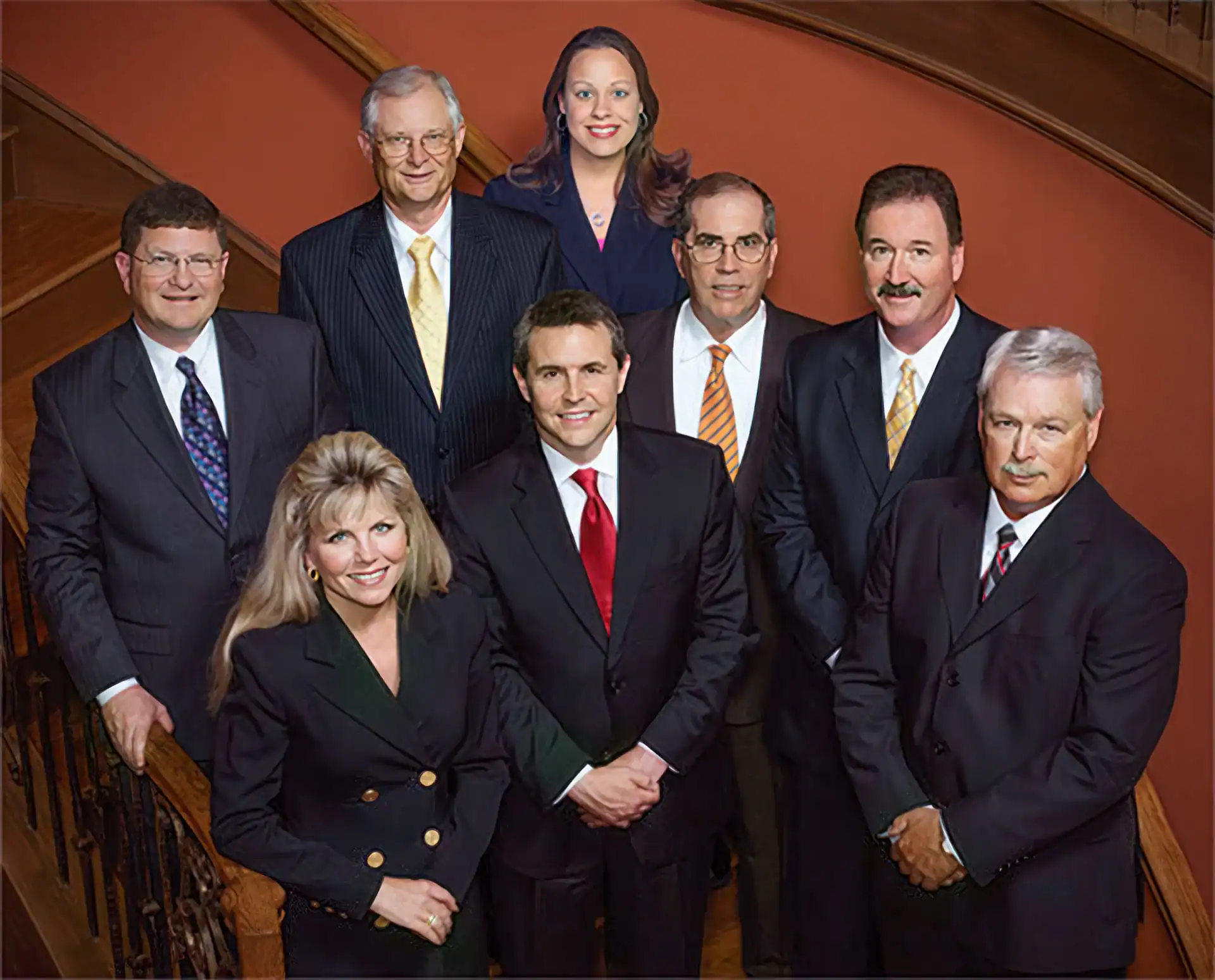
Most people dread getting their photo taken. You’re worried about looking awkward, feeling uncomfortable, or ending up with images that don’t feel like you. That’s the problem with cookie-cutter portrait sessions—they’re built around the photographer’s style, not your reality.
Here’s what changes when you work with someone who actually knows how to photograph people. You get images that feel natural because the process itself is comfortable. No forced poses, no pressure to “perform” for the camera. Just real guidance that brings out your best without making you feel like you’re faking it.
The result is portraits you’ll actually want to use. On your website, in your marketing, on your wall at home. Images that make you think, “Yeah, that’s me”—not some overly polished version that doesn’t match who you are. That’s the difference between a photo session and portrait photography that works.
Joe Robbins has been photographing people since 1974. Not as a side gig or a weekend hobby—as a full-time professional photographer working with advertising agencies, corporate clients, and real people who need images that work. We opened Joe Robbins Photography in 1984 and have been serving the Houston area, including Hockley, ever since.
That’s five decades of learning how to make people feel at ease in front of the camera. It’s also five decades of technical skill—starting with film, adapting to digital, and staying current with lighting, composition, and editing techniques that produce sharp, well-lit, professional results. You’re not working with someone who just picked up a camera last year.
Joe taught photography and digital imaging at HCC and The Art Institute of Houston for 21 years. He’s been a member of ASMP since 1979 and served as president of the Houston chapter. This isn’t someone trying to figure it out as they go—this is someone who’s been doing it longer than most photographers have been alive.
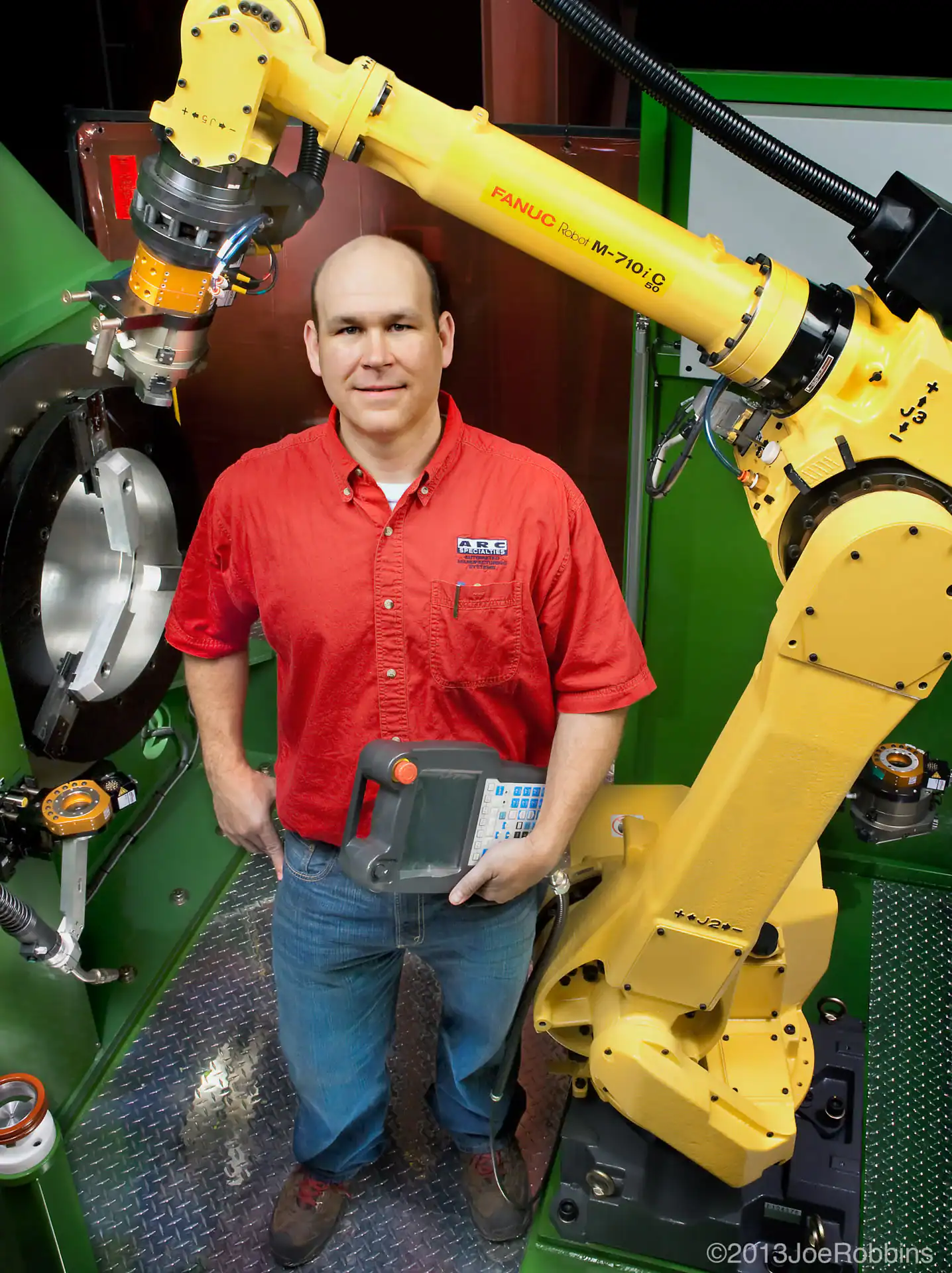
It starts with a conversation. Not a sales pitch—an actual discussion about what you need these portraits for, who’s going to see them, and what kind of look you’re going for. That’s how you end up with images that work for your specific situation instead of generic shots that could be anyone.
Then comes the session itself. You’ll get direction on posing and expression, but it won’t feel like you’re being positioned like a mannequin. The goal is to make you look like yourself, just in the best possible light. Literally. Lighting gets adjusted, posture gets fine-tuned, and you get real-time feedback so you know what’s working.
After the shoot, you’ll see the final images—crisp, well-composed, and professionally edited. No endless back-and-forth or waiting weeks to find out what you got. You’ll receive high-resolution files ready to use however you need them, whether that’s for your LinkedIn profile, your company’s website, or printed materials. The whole process is straightforward because it’s been refined over decades of doing this work.
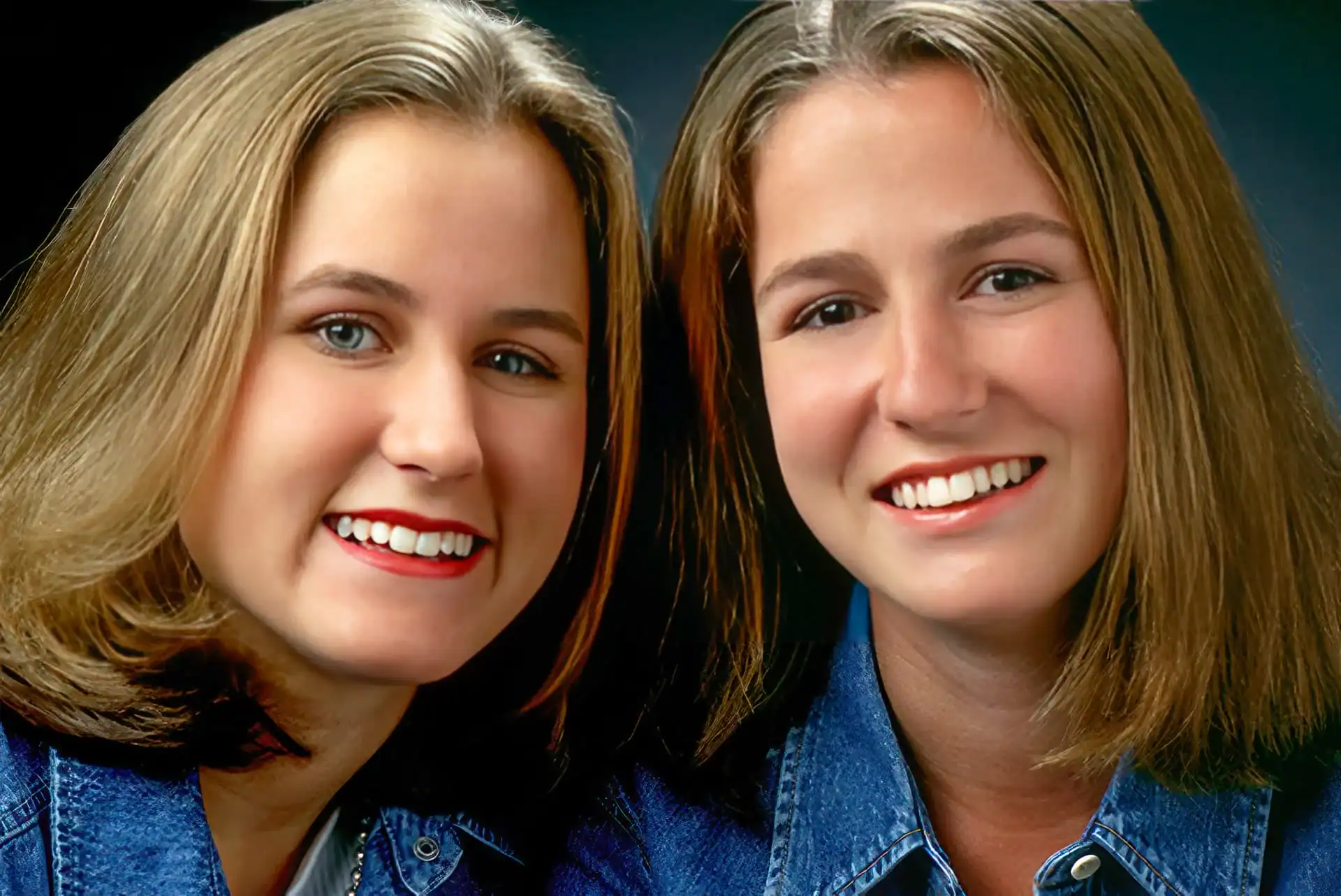
Ready to get started?
A portrait session isn’t just showing up and clicking a button. You’re getting professional lighting setup, backdrop selection, and on-site direction that makes a visible difference in the final product. This is the technical side that separates a professional photographer from someone with a nice camera.
You’re also getting someone who knows how to work with different types of people. Corporate headshots require a different approach than family portraits. Team photos need different energy than individual executive portraits. Hockley and the greater Houston area have diverse needs—from oil and gas professionals needing updated headshots to growing families wanting something more meaningful than a department store photo package.
The final deliverables are high-resolution digital files, fully edited and color-corrected. You own them. Use them on your website, in print, on social media, wherever you need them. No upselling on every single print or digital file. You’re paying for professional photography services and you’re getting professional results you can actually use. That’s how it should work.
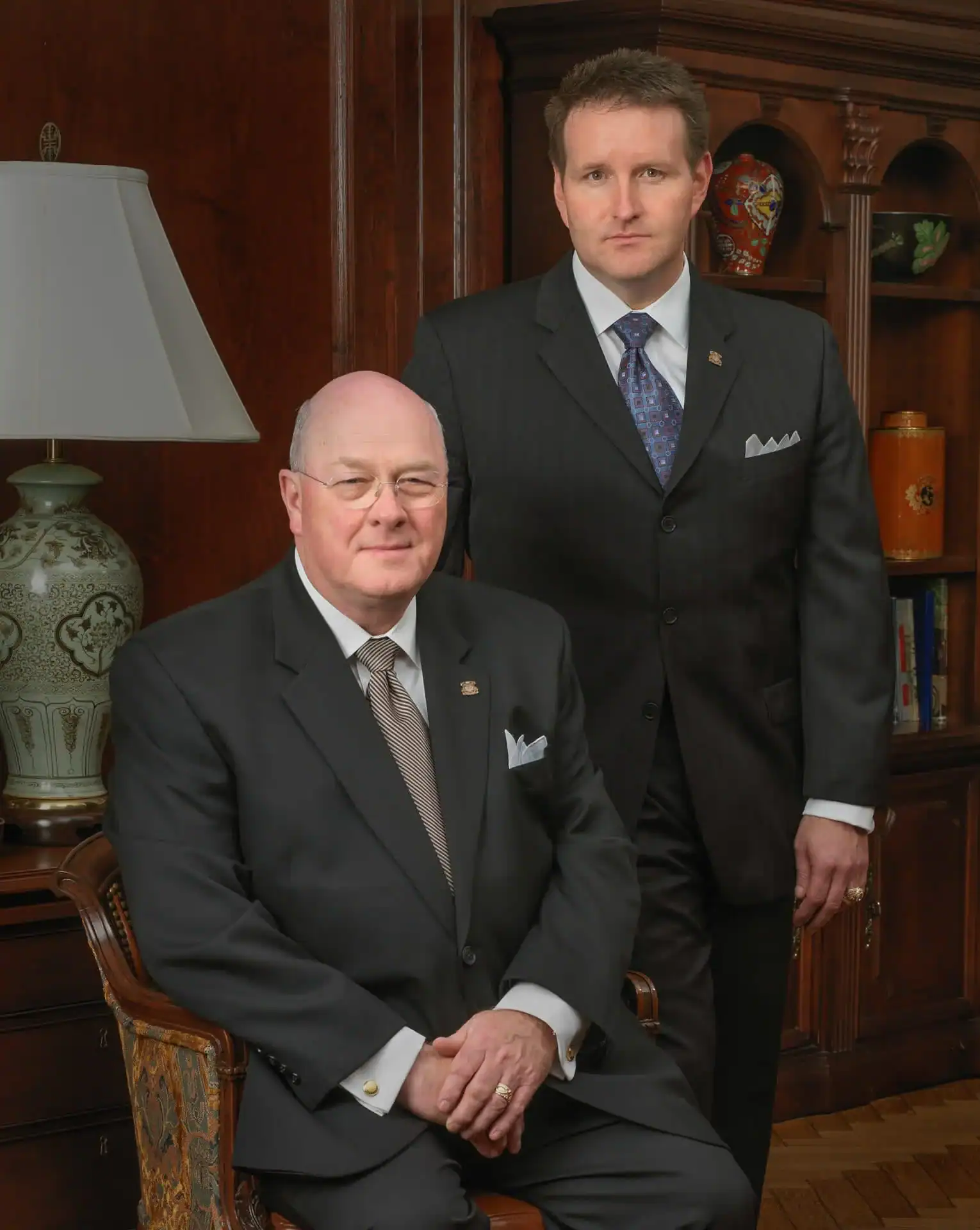
Wear something you feel confident in. That’s the most important thing. If you’re getting corporate headshots, that usually means business attire—but it should be business attire that fits well and feels like you, not a costume.
Solid colors tend to photograph better than busy patterns. Avoid clothing with large logos or distracting graphics unless that’s specifically part of your brand. If you wear glasses, bring them—but also know that there might be some glare to manage depending on the lighting setup.
For family portraits, coordinate but don’t match exactly. You want to look like you belong together, not like you’re wearing uniforms. And if you’re worried about how you’ll look, that’s normal. The whole point of working with an experienced photographer is that we know how to position you, light you, and guide you toward expressions that look natural. You don’t have to figure that out on your own.
A headshot is typically shoulders-up, tightly cropped, focused on your face. It’s what you use for LinkedIn, company websites, conference programs, or any professional context where people need to see who you are quickly. The background is usually simple or blurred out entirely because the focus is on you.
A portrait can include more of your body, more context, more environment. It might show you in your office, at your workspace, or in a setting that says something about what you do. Family portraits obviously include multiple people and often more relaxed poses.
Both require the same technical skill—good lighting, proper composition, knowing how to make people look their best. But the framing and the context are different. If you’re not sure which one you need, that’s part of the initial conversation. Most business professionals need headshots. Most families and personal clients want portraits. Some corporate clients need both depending on how the images will be used.
For individual headshots, plan on 30 to 45 minutes. That includes time to adjust lighting, try a couple of different looks or backgrounds if needed, and make sure you’re comfortable with what’s being captured. It’s not rushed, but it’s also not an all-day affair.
Family portraits or team photos take longer—usually one to two hours depending on the size of the group and how many different setups you want. Larger groups need more time just for logistics. Getting everyone positioned, making sure no one’s hidden behind someone else, adjusting for height differences—that all takes time to do right.
You’ll know the timeline before the session starts. There’s no benefit to dragging things out unnecessarily, but there’s also no benefit to rushing through and missing important shots. The goal is to get it done efficiently while still getting results you’re happy with.
Both. Some portraits work better in a controlled studio environment where lighting and background can be precisely managed. That’s often the case for corporate headshots or professional portraits where you want a clean, consistent look.
Other times, shooting on location makes more sense. If you want team photos at your office, or family portraits at your home or a meaningful outdoor location around Hockley or Houston, that’s completely doable. The equipment is portable and professional lighting can be set up almost anywhere.
The decision usually comes down to what you’re using the portraits for and what kind of feel you want. Outdoor portraits have a different energy than studio portraits. Environmental portraits that show you in your workspace tell a different story than a simple backdrop. There’s no one-size-fits-all answer, which is why the conversation happens before the session, not during it.
Turnaround is typically one to two weeks for fully edited, high-resolution images. That’s not because the work is being put off—it’s because professional editing takes time. Color correction, exposure adjustments, retouching, and quality control all happen during post-production.
You’re not getting raw, unedited files straight out of the camera. You’re getting images that have been reviewed, selected, and professionally finished. That’s part of what you’re paying for. Anyone can take a photo. Not everyone can deliver a final product that’s actually ready to use.
If you have a specific deadline—say you need a headshot for a conference next week or images for a time-sensitive marketing campaign—mention that upfront. Rush timelines can usually be accommodated, but it’s a lot easier when it’s planned for rather than assumed.
Most people aren’t. That’s completely normal and it’s something that gets addressed during the session, not ignored. You’ll get direction on where to look, how to position your shoulders, how to hold your expression—all the small things that make a difference but aren’t intuitive if you’ve never done this before.
The other part is just giving you a minute to relax. The first few shots are often just warm-up. Once you see that the process isn’t painful and the results are looking good, the tension usually drops. That’s when the best images happen—not when you’re trying hard to look good, but when you’ve settled into it.
This is also where experience matters. Someone who’s been photographing people for fifty years has seen every version of camera anxiety. We know how to work with it, how to redirect it, and how to get you to a place where you’re not thinking about the camera anymore. You’re not the first person to feel awkward, and the session is designed around that reality.
Other Services we provide in Hockley