Professional commercial photography isn't just about pretty pictures—it's about creating visual assets that convert browsers into buyers and build lasting brand credibility in competitive markets.
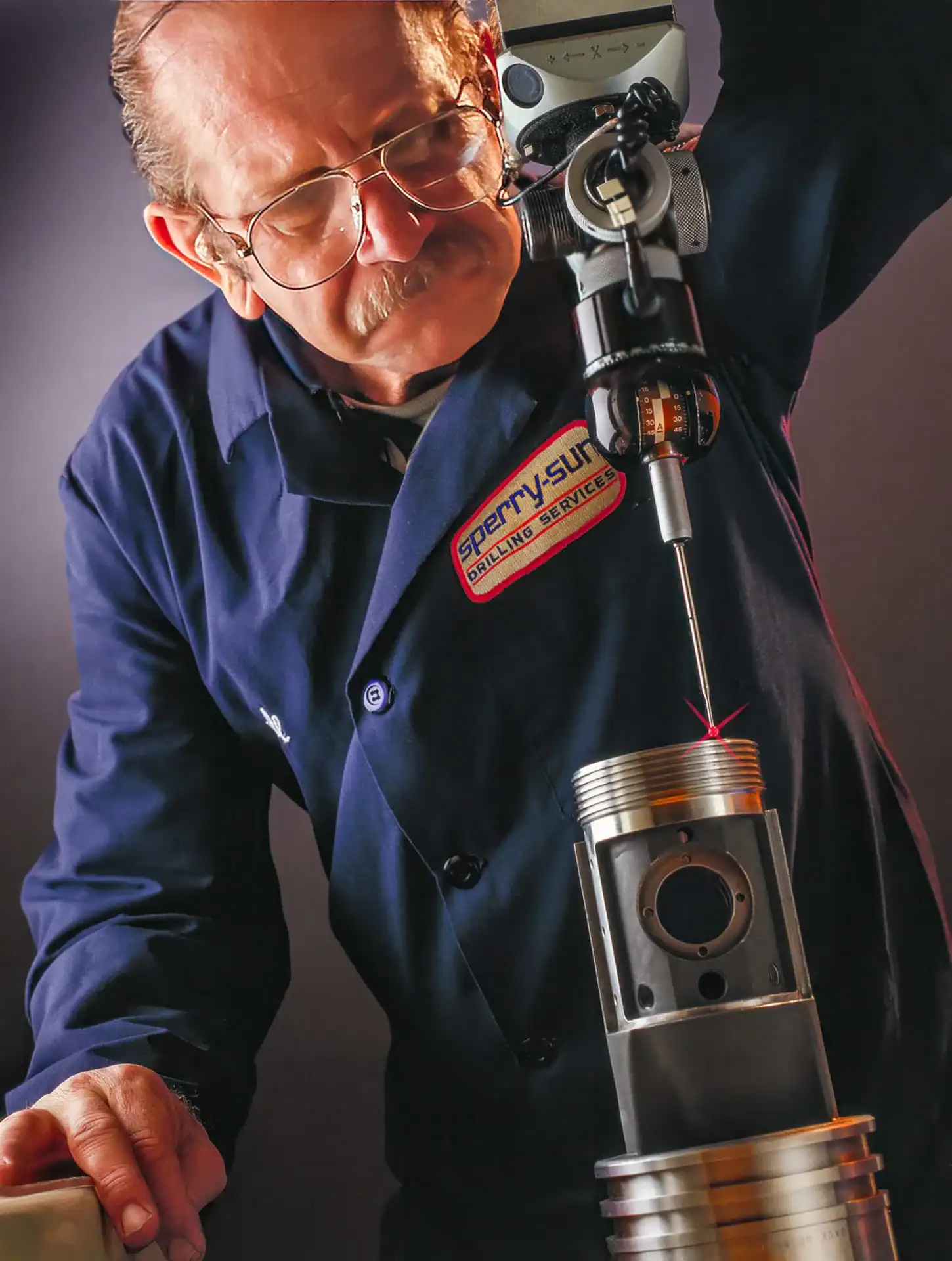
Professional product photography isn’t a nice-to-have anymore. It’s table stakes. Research consistently shows that 90% of online buyers consider image quality extremely important when making purchasing decisions. That’s not surprising when you think about it—your customers can’t touch, feel, or examine your products in person, so your images have to do all that work for them.
The numbers back this up. Businesses that invest in high-quality commercial photography see conversion rate increases between 20-30%. That’s not a small bump—that’s the difference between a struggling online presence and one that actually drives revenue. And it goes beyond just getting the sale. Companies using professional, high-resolution imagery from multiple angles report return rates as low as 10%, while competitors relying on poor-quality visuals see returns between 40-50%.
Think about what that means for your business. Fewer returns mean less time processing refunds, less inventory waste, and more satisfied customers who actually got what they expected. That’s the power of showing people exactly what they’re buying before they commit.

Trust is everything in e-commerce and commercial sales. When someone’s about to hand over their credit card information to buy something they’ve never physically seen, they’re taking a leap of faith. Your product images either support that leap or make them second-guess the whole thing.
Blurry, poorly lit, or low-resolution images send a message, whether you intend it or not. They suggest you don’t care enough about presentation to invest in quality visuals. And if you’re not investing in how you present your products, why would customers trust you to deliver quality products or handle their orders with care?
Professional commercial photography does the opposite. Clean, detailed, well-lit images convey that you’re serious about your business. They show attention to detail. They demonstrate that you understand customer expectations and you’re meeting them before the sale even happens.
Here’s what makes the difference: high-resolution images that let customers zoom in to see texture, stitching, materials, or finishes. Multiple angles that show the product from every relevant perspective. Consistent lighting and backgrounds that create a cohesive brand experience. Lifestyle shots that help customers visualize the product in their own lives.
When customers can examine your products thoroughly through images, they feel informed. Informed customers are confident customers. Confident customers buy. It’s really that straightforward.
The data supports this too. Studies show that consumers make purchasing decisions within seconds of viewing a product image. You don’t get time to convince them with copy or features lists if the image doesn’t immediately communicate quality and value. That split-second impression determines whether they stay on your page or bounce to a competitor.
Professional photography also reduces what researchers call “product fit uncertainty”—that nagging doubt about whether what arrives will match what was shown. When your images accurately represent your products with clarity and detail, customers know what to expect. Expectations met equal satisfied customers. Satisfied customers leave better reviews, refer friends, and come back for more.
There’s a reason businesses hire professional commercial photographers instead of just snapping photos with a smartphone. It’s not snobbery or unnecessary expense—it’s about understanding what actually drives purchasing behavior and having the technical skills to create images that deliver results.
Professional commercial photography starts with strategy, not just equipment. Before a single shot is taken, there’s a conversation about your brand identity, your target audience, and what you’re trying to communicate. We understand that a luxury skincare brand needs different visual treatment than an industrial parts supplier. The lighting, composition, styling, and even the pace of the images should align with how you want customers to perceive your brand.
Then there’s the technical execution. Proper lighting eliminates distracting shadows and harsh reflections. It brings out product details and creates dimension. We know how to work with different materials—how to photograph glass without glare, metal without unwanted reflections, fabric to show texture accurately. We understand depth of field, color accuracy, and how to compose shots that guide the viewer’s eye to what matters most.
The equipment matters too, but not in the way most people think. Yes, professional cameras and lenses capture more detail and perform better in various lighting conditions. But more importantly, we have backup equipment, proper stabilization tools, and the right accessories to solve problems on the fly. When you’re shooting products for a major campaign launch, you can’t afford to have technical failures derail the timeline.
Post-production is where a lot of DIY attempts fall apart. We don’t just take pictures—we refine them. Color correction ensures your product looks accurate across different screens and print materials. Retouching removes distractions without making images look fake or overly processed. Background cleanup keeps focus on the product. File optimization ensures images load quickly on websites without sacrificing quality.
There’s also the matter of consistency. When you’re building a brand, you need visual coherence across your entire product catalog. We create style guides and maintain consistent lighting, backgrounds, and composition so your brand looks polished and intentional, not thrown together.
And here’s something most businesses don’t consider until it’s too late: usage rights and licensing. When you hire a professional commercial photographer, you’re not just paying for their time—you’re negotiating the rights to use those images across different platforms and purposes. That clarity protects your business and gives you the flexibility to use your visual assets however you need them.
Time is another factor. If you’re running a business, every hour you spend trying to figure out product photography is an hour you’re not spending on the things only you can do—strategy, customer relationships, product development. We deliver finished, ready-to-use images on a timeline that keeps your marketing efforts on track.
The return on investment becomes clear pretty quickly. Professional images increase conversion rates, reduce returns, support premium pricing, and create marketing assets you can use for years. When you calculate the actual cost per conversion or the reduction in return-related expenses, professional commercial photography more than pays for itself.
Want live answers?
Connect with a Joe Robbins Photography expert for fast, friendly support.
Creating effective commercial photography isn’t about following a rigid formula—it’s about understanding your audience and applying proven strategies that align with how people actually make buying decisions. The goal is always the same: create images that inform, engage, and convert.
Start with clarity about what you’re trying to achieve. Are you launching a new product line and need to establish its visual identity? Are you trying to differentiate from competitors who all look the same? Are you addressing customer questions that keep coming up? Your photography strategy should solve real business problems, not just create pretty pictures.
The most successful commercial photography incorporates multiple image types working together. You need hero shots that make strong first impressions. Detail shots that answer questions about quality and materials. Contextual lifestyle images that help customers visualize using your product. Scale reference shots that eliminate confusion about size. Each type serves a specific purpose in the customer’s decision-making process.

Conversion-focused product photography follows principles backed by actual data, not just aesthetic preferences. Research shows that products with three or more images see double-digit conversion increases compared to single-image listings. But it’s not just about quantity—it’s about showing the right angles and details that address customer concerns.
Think about what questions customers ask before buying your type of product. If you sell clothing, they want to see fabric texture, how it drapes, how it looks on different body types, and color accuracy. If you sell electronics, they need to see ports, controls, size relative to familiar objects, and the display quality. If you sell furniture, they want to understand scale, see upholstery details, and visualize it in a real space.
Your product photography should answer these questions visually before customers have to ask. That means shooting from angles that reveal important features. It means close-ups that show craftsmanship or material quality. It means lifestyle contexts that demonstrate use cases.
High-resolution imagery matters more than most businesses realize. Images need to be large enough to support zoom functionality—at minimum 1,000 pixels on the longest side, but 2,000+ pixels is better for modern high-density screens. When customers can zoom in to examine details, it mimics the in-store experience of picking up and inspecting a product. That examination builds confidence.
Background choices impact conversion too. Clean, simple backgrounds keep attention on the product. For most e-commerce applications, a pure white background works best because it eliminates distractions and meets marketplace requirements. But don’t stop there—supplement those clean product shots with lifestyle images that show context and use.
Consistency across your product catalog creates a professional impression that builds brand credibility. When every product follows the same photographic style—same lighting approach, same background treatment, same composition principles—customers perceive your brand as established and trustworthy. Inconsistent imagery makes you look disorganized or unreliable.
Color accuracy is non-negotiable. If your product arrives and doesn’t match the color shown in images, you’re getting a return. We use color-calibrated monitors, proper white balance, and color correction techniques to ensure what customers see online matches what arrives at their door.
Lighting reveals or conceals. Proper lighting brings out texture, shows dimension, and makes colors accurate. Poor lighting creates harsh shadows, obscures details, and makes products look cheap regardless of their actual quality. We understand how to use diffused light, fill lights, and reflectors to create flattering, informative product images.
Don’t forget mobile optimization. More than half of e-commerce traffic comes from mobile devices. Your images need to look good on small screens, load quickly, and still provide enough detail when tapped to enlarge. File size optimization balances image quality with load speed—both matter for conversion rates and search engine rankings.
Your commercial photography should do more than just show products—it should communicate your brand’s personality and values. Every visual element, from lighting style to composition to color palette, contributes to how customers perceive your brand.
Authentic, relatable imagery is what audiences respond to in 2026. The stiff, overly produced corporate photography that dominated advertising for years doesn’t resonate anymore. People want to see real moments, genuine interactions, and honest representations. That doesn’t mean sloppy or unprofessional—it means capturing natural expressions and real-world contexts that feel believable.
Brand photography goes beyond individual product shots to tell a larger story. It shows your team, your process, your values, and your customers. It creates an emotional connection that pure product photography can’t achieve alone. When someone sees behind-the-scenes images of how your products are made, or photos of real customers using and enjoying what you sell, it builds the kind of trust that turns one-time buyers into loyal advocates.
Visual consistency across all touchpoints reinforces brand recognition. Your website, social media, email marketing, print materials, and retail displays should all feel cohesively branded through consistent photographic style. That doesn’t mean every image looks identical—it means they share common visual DNA through lighting approach, color treatment, composition principles, and overall mood.
Consider how your photography positions your brand in the market. Luxury brands use specific lighting techniques, minimal compositions, and refined styling to communicate premium quality. Value-focused brands might emphasize abundance, variety, and practical utility through their visual approach. Your photography should align with your pricing strategy and target customer expectations.
Location and setting choices communicate brand values too. Photographing products in upscale environments suggests luxury and aspiration. Industrial settings convey durability and serious performance. Natural outdoor locations emphasize sustainability or adventure. The contexts you choose should reinforce the brand positioning you’re trying to establish.
Working with a professional commercial photographer who understands branding means having someone who can translate your brand strategy into visual execution. We ask questions about your target audience, your competitive positioning, and your brand personality. Then we make technical and creative decisions that support those strategic goals.
The long-term value of strong brand photography compounds over time. Consistent, high-quality visuals build recognition. Recognition builds trust. Trust drives repeat purchases and referrals. It’s an investment that keeps delivering returns long after the initial photo shoot.
Think about the brands you admire and trust. Chances are, their visual identity is immediately recognizable and consistently executed. That’s not accidental—it’s strategic commercial photography supporting broader brand objectives. Your business deserves the same level of intentional visual communication.
Professional commercial photography solves real business problems. It builds trust when customers can’t physically examine your products. It increases conversion rates by answering questions visually. It reduces returns by setting accurate expectations. It differentiates your brand in markets where everyone’s competing for the same customers.
The businesses winning in today’s visual-first marketplace don’t treat photography as an afterthought. They invest in high-quality images because the data clearly shows that investment pays off. They work with photographers who understand both the technical craft and the business objectives behind every shoot.
If your current product images aren’t delivering the results you need—or if you’re launching new products and want to make a strong first impression in Harris County, TX—it’s worth partnering with professionals who specialize in commercial photography. We’ve been helping businesses create compelling visual content since 1984, bringing decades of experience across industries from manufacturing to food, corporate to e-commerce. Our collaborative approach ensures your vision gets executed with technical excellence and strategic thinking that drives actual business results.
Summary:



Article details: