Not sure whether to book a studio session or bring the photographer to you? Here's how to think through the decision before you commit.

You need professional photos. You’ve got a team to coordinate, a brand to represent, and a schedule that doesn’t have a lot of give. The last thing you want is to make the wrong call and end up with photos that don’t work — or a shoot day that turns into a logistical headache.
The studio vs. location question comes up constantly, and the honest answer is: it depends on what you’re actually trying to accomplish. There’s no universally right choice. But there is a right choice for your situation. Here’s how to think through it.
Studio photography gives you complete control. The lighting is consistent, the background is clean, and nothing about the environment works against you. If you need headshots that match across a team — same look, same tone, same feel — a controlled studio environment makes that straightforward to achieve.
On-location photography trades some of that control for context and convenience. You get images that reflect your actual environment — your office, your facility, your brand’s physical world. And for larger teams, it removes the logistical burden of getting everyone to a single location.
Neither format is inherently better. What matters is which one aligns with what you need the images to do.

There’s a common assumption that on-location photography means lower quality — that you’re trading polish for convenience. That’s not how it works when the photographer brings professional equipment with them.
A proper on-location setup includes the same lighting systems, backdrops, and camera equipment used in a fixed studio. The difference is that it’s portable. We can set up in a conference room corner, a lobby, or a dedicated space you designate — and the images produced are technically indistinguishable from studio work. Subjects don’t travel, the workday stays intact, and the results hold up at any size or format.
For corporate teams throughout Harris County, this matters practically. If you’re coordinating headshots for a company based in the Energy Corridor, the Texas Medical Center, or a business park out in Katy or Cypress, asking twenty or thirty employees to drive to a studio and back isn’t a small ask. It’s half a workday, minimum. On-location eliminates that entirely.
We can move through a corporate session efficiently once we’re set up. A well-run on-location session can photograph 15 to 20 people per hour. That’s not rushing anyone — it’s structured so each person gets proper direction and walks away with images they’ll actually use, without the session dragging on all afternoon.
One more practical note for Harris County specifically: Houston’s climate makes outdoor on-location photography a real scheduling risk from June through September. The heat and humidity are uncomfortable for subjects, the midday sun creates harsh shadows, and the weather can change fast. A controlled indoor setup — whether at our studio or as a mobile setup at your location — removes that variable entirely. Fall and spring are far more workable if outdoor shots are part of the plan.
The phrase “mobile studio” can sound more complicated than it is. In practice, you need roughly four square meters of clear floor space — about the size of a conference room corner — and we handle everything else. Backdrop, lighting, stands, camera equipment. Setup typically takes under 30 minutes, and we’re ready to go before your first subject walks in.
This format works especially well for companies that need to photograph large teams in a single day, or organizations that bring on new employees regularly and need a repeatable process for keeping headshots consistent over time. We use the same equipment and settings across sessions, so a photo taken six months from now matches the ones taken today. That consistency matters when your website’s “Meet the Team” page is a real business asset, not just a formality.
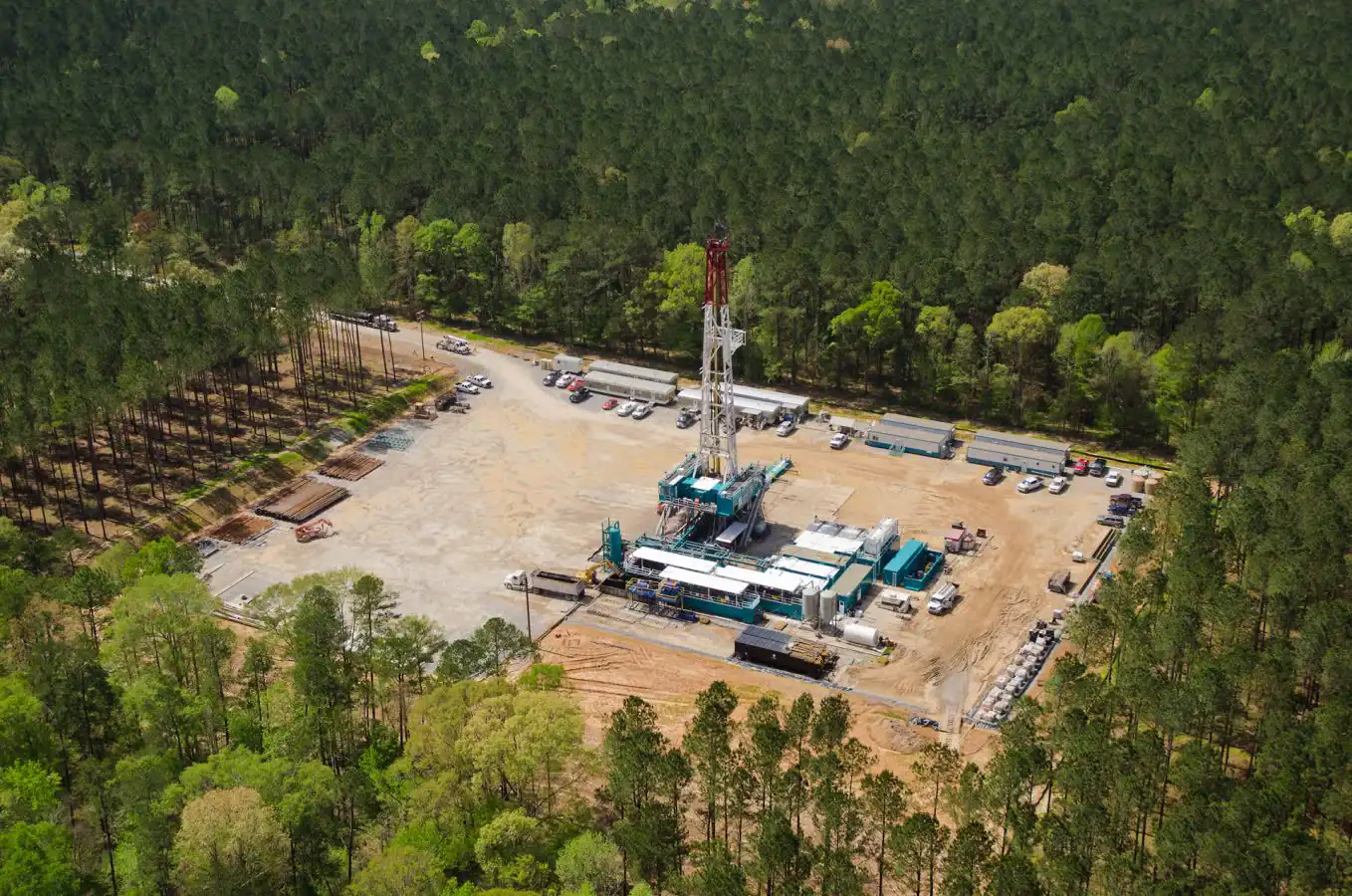
For companies in Harris County’s industrial and energy sectors, the mobile setup also solves an access problem. We hold a current TWIC card, which means we can photograph inside secure petrochemical facilities, port environments, and other restricted sites that most photographers simply can’t enter. If your team works in those environments and you want photography that reflects where the work actually happens, that’s a capability most photographers in this market don’t offer.
The consultation before the shoot is where the logistics get sorted. We talk through the space, the schedule, the number of subjects, and what the images need to accomplish. That conversation shapes the entire session — and it’s the reason shoots run smoothly instead of sideways. Planning on the front end is what makes the day efficient for everyone involved.
Want live answers?
Connect with a Joe Robbins Photography expert for fast, friendly support.
Cost comparisons between studio and on-location photography are often oversimplified. The short version: for individuals or very small groups, studio sessions may be more cost-effective. For teams of ten or more, on-location pricing typically works out lower per person because the photographer’s travel and setup costs are spread across a larger group.
But cost-per-image is only part of the ROI equation. The other part is what the images actually do for your business — and that comes down to quality, consistency, and whether the photos get used or quietly shelved.
LinkedIn published data showing that profiles with professional photos receive 21 times more profile views and 36 times more messages than those without. For a sales team, a leadership page, or an executive who’s regularly in front of investors and clients, that’s not a trivial number. It’s a direct, measurable return on a photography investment.
The flip side of that is the cost of bad photos — or outdated ones. If your team’s headshots are several years old, they’re probably not doing the job you need them to do.
What makes a headshot worth the investment isn’t just technical quality — sharp focus, clean lighting, proper exposure. It’s whether the subject looks like a competent, approachable version of themselves. That requires direction. Most people are not comfortable in front of a camera, and a photographer who just clicks the shutter without coaching the subject will get stiff, awkward results regardless of how good the equipment is.
We’ve been doing this since 1974. Fifty years of photographing people who didn’t want to be photographed — executives, engineers, physicians, attorneys — means we’ve developed a very specific approach to putting subjects at ease and getting genuine expressions rather than forced ones. That’s not something you can replicate with better gear. It comes from experience and knowing how to read a room.
Harris County covers nearly 1,800 square miles. That geography alone changes the calculus on studio vs. location photography for a lot of businesses here. If your team is spread across the Energy Corridor, the Medical Center, Greenway Plaza, and a suburban office in Spring or Humble, a fixed studio location is a significant inconvenience for a large portion of your employees.
On-location photography is a practical solution to a geographic problem. We come to your office, set up in whatever space you have available, and work through your team on a schedule that fits your day — not ours. For companies headquartered along the Katy Freeway corridor, or for organizations within the Texas Medical Center that need headshots for academic publications, department pages, or conference materials, having the photographer come to you is often the only approach that makes operational sense.
That said, there are situations where the studio is genuinely the better call. If you need a single executive portrait with complete control over the final look, or if you want to use our full studio setup with multiple background options and a longer, more relaxed session, coming in makes sense. Some clients do both — a studio session for leadership and an on-location day for the broader team. We can make either format work, and we can help you decide which one fits your project before you commit to anything.
We’ve been members of the ASMP — the American Society of Media Photographers — since 1979. That’s a consistent commitment to doing this work at a professional level, with clear licensing, ethical pricing, and business practices that protect the client. When you hire a photographer for corporate work in Harris County, those things matter.
The studio vs. location decision doesn’t have a universal right answer — but it does have a right answer for your specific situation. Team size, schedule, brand requirements, the geography of your Harris County operation, and what you actually need the images to accomplish all factor in.
What we can tell you is that professional quality isn’t exclusive to either format. A well-equipped, experienced photographer produces consistent, usable results in both environments. The difference is logistics and context — and those are things worth thinking through before you book anything.
If you’re not sure which direction makes sense for your project, that’s exactly the kind of question we work through in a consultation before anything is scheduled. Reach out to Joe Robbins Photography and let’s figure out the right approach for your team.
Summary:
Article details: