The visual bar for Texas businesses keeps rising. Here's what's shifting in commercial photography — and what it means for your brand in Harris County.

If you’ve noticed that your competitors’ websites and marketing materials look sharper than they did a few years ago, you’re not imagining it. Visual standards have climbed steeply across every industry, and businesses in Harris County, TX are competing in one of the fastest-growing markets in the country. Harris County added more than 105,000 net new residents in a single year — the largest numeric population gain of any county in the United States. That means more businesses, more competition, and more pressure on every visual touchpoint you have. Here’s what’s actually changing in commercial photography right now, and what it means for you.
The commercial photography industry has grown to $9.1 billion in 2025, expanding at a steady 5.1% annually. That growth isn’t happening in a vacuum — it’s being driven by real changes in how businesses reach customers and how customers decide who to trust. Digital marketing budgets have risen 28% across corporate sectors, and with more channels demanding more content, the volume and quality of imagery businesses need has increased significantly.
What’s also changed is the consequence of getting it wrong. When a potential customer lands on your website or your product listing, they make a judgment in seconds. Research consistently shows that high-quality product images can increase e-commerce conversion rates by up to 250%. That’s not a small margin. For a business in Harris County’s competitive market, the gap between professional photography and “good enough” imagery shows up directly in revenue.
Harris County is home to nearly 100,000 employers and 20 Fortune 500 companies. That’s not context — that’s competition. When your customers are used to seeing polished, well-produced imagery from major brands, their expectations don’t reset when they find a smaller business. They apply the same standard across the board.
This matters especially in Harris County’s dominant industries. Energy companies along the Katy Freeway corridor need industrial and corporate photography that holds up in investor presentations and annual reports. Restaurants competing in one of the most culturally diverse food markets in the country — driven by a population where more than one in four residents was born outside the United States — need food photography that earns a click before a single review is read. Medical professionals tied to the Texas Medical Center, the largest medical complex in the world, need headshots that convey credibility before a patient ever walks through the door.
The trend toward authentic, industry-specific imagery is one of the most meaningful shifts in commercial photography right now. Generic stock photos no longer pass. Customers recognize them, and more importantly, they distrust them. What’s replacing stock imagery is real photography — your actual facility, your actual team, your actual products — captured in a way that reflects the genuine character of your business. For Harris County businesses operating in specialized sectors, that means working with a photographer who understands your industry, not just your camera settings.
Multimedia content is also reshaping what we expect from a single shoot. Still photography remains the foundation, but the most effective brand content strategies now layer in video, 360-degree imagery, and platform-specific formats alongside traditional photography. Businesses that approach a shoot with that broader context in mind get more usable content from the same investment.
AI-powered editing tools have made post-production faster and more accessible, and that’s genuinely useful. Retouching workflows that used to take days can now be completed in hours. Color grading, background cleanup, and image culling have all been streamlined by automation, and we integrate these tools into our delivery workflows without sacrificing quality.
What AI hasn’t changed — and likely won’t anytime soon — is the need for original, location-specific photography. An AI-generated image can’t show your actual facility off the Katy Freeway. It can’t capture your team in a way that reflects who you actually are. It can’t produce a food photograph that makes someone choose your restaurant over the twelve others that came up in the same search. And from a legal standpoint, original photography comes with clear usage rights — something AI-generated imagery still navigates awkwardly.
The more nuanced shift is in what clients now expect from photographers who use these tools. Efficiency matters. Turnaround matters. Photographers who integrate AI into their editing workflows — not as a shortcut, but as a way to deliver cleaner work faster — are meeting a real market demand. At the same time, the discipline of getting the image right in camera remains the foundation. Post-processing can enhance a strong image. It can’t rescue a weak one. That philosophy, rooted in decades of film-era training before digital editing existed, is still the clearest line between a photographer who gets it right and one who hopes to fix it later.
For Harris County businesses evaluating photographers, the practical question isn’t whether your photographer uses modern tools — they should. It’s whether they have the foundational skill to produce images that don’t depend on those tools to be usable.
Want live answers?
Connect with a Joe Robbins Photography expert for fast, friendly support.
Here’s something most people don’t realize: there are no licensing requirements for commercial photographers in the United States. None. Anyone can call themselves a commercial photographer, build a website, and start taking bookings. That makes evaluating photographers harder than it should be — and it makes credentials, experience, and verifiable track records more important, not less.
When you’re looking for a commercial photographer in Harris County, the questions worth asking aren’t just about price or availability. They’re about whether this person has actually solved the problems your shoot will present — and whether their portfolio shows consistent, technically sound work across the types of images you need, not just a few impressive outliers.
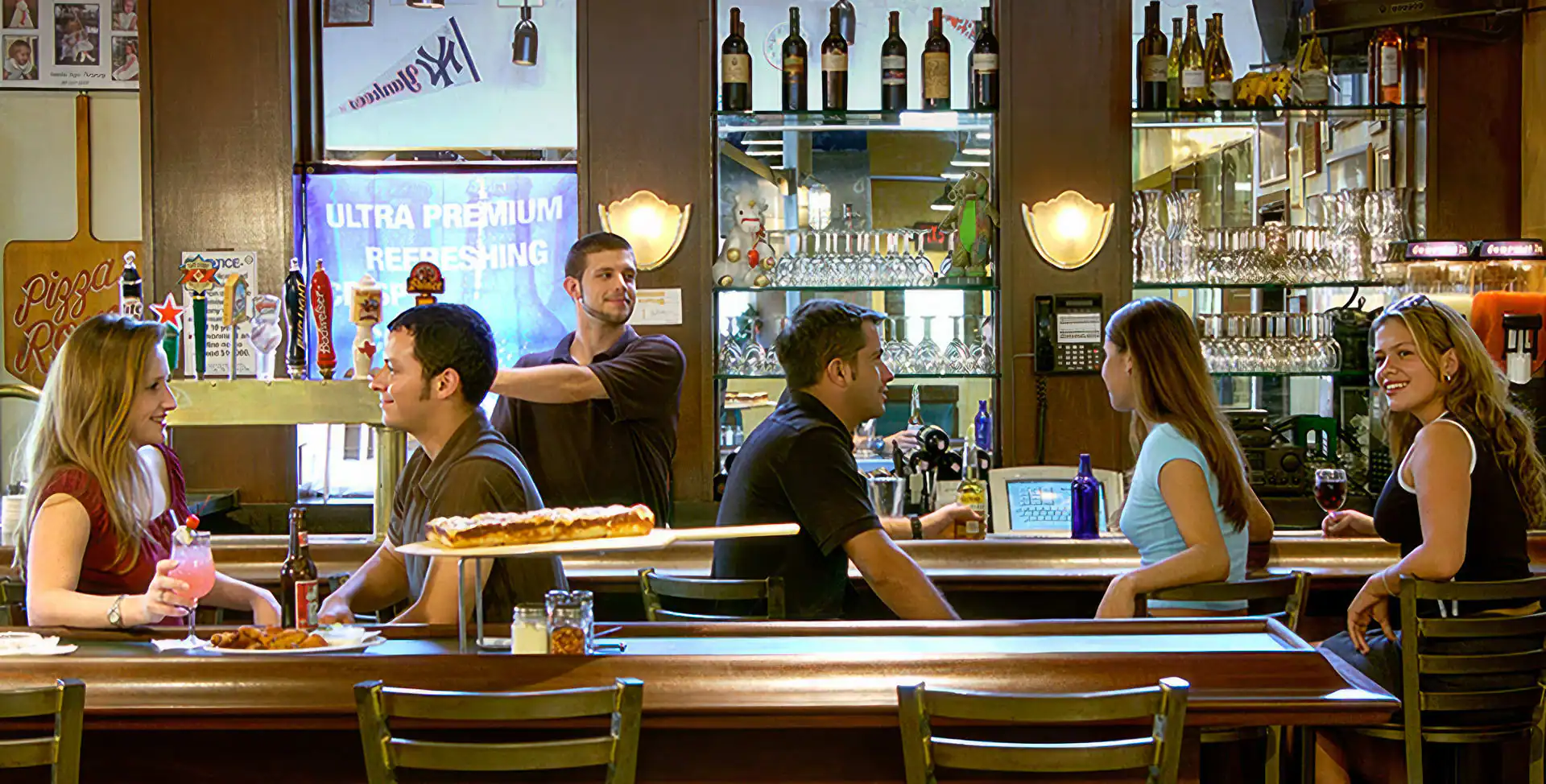
A portfolio tells you what a photographer is capable of on their best day. What you really want to know is what they deliver consistently. Look for work in your specific category — product photography, food photography, corporate portraits, industrial or architectural photography — and look for consistency across that work. Lighting, color accuracy, and composition should hold up across the full body of work, not just the hero images at the top of the page.
Formal education matters in this industry precisely because it’s not required. A photographer who earned a degree in commercial photography from a recognized institution went through a rigorous, structured program that covered lighting theory, exposure, color science, and the business of working with commercial clients. That’s a different foundation than someone who taught themselves through YouTube tutorials and built a portfolio on weekends.
Years in business is another meaningful signal — not because longevity guarantees quality, but because it tells you the photographer has navigated real market conditions, served real clients under real deadlines, and built a business that clients keep coming back to. A studio that’s been operating for decades has a track record you can actually evaluate. A newer studio is asking you to take their word for it.
Teaching experience is an underrated indicator. A photographer who has taught at an accredited institution for years isn’t just technically skilled — they can explain what they’re doing and why. In a commercial shoot with multiple stakeholders, that ability to communicate clearly and make informed adjustments in real time is worth a lot. It’s the difference between a photographer who executes a brief and one who helps you refine it.
Finally, look at testimonials with some skepticism toward the generic ones. “Great photographer, highly recommend” tells you very little. A testimonial that describes a specific problem solved — matching the style of existing headshots so a company didn’t have to reshoot their entire team, or delivering a product shoot on a tight deadline without cutting corners — tells you something real about how that photographer works.
One of the most common questions we hear is: how much does commercial photography actually cost? A standard commercial photography session typically runs between $350 and $500, a half-day runs around $1,000, and a full day is generally around $1,500. Those figures can shift depending on the complexity of the shoot, the number of final images, licensing terms, and whether retouching is included. The more important framing, though, is what the images are worth to your business. If professional product photography increases your conversion rate by even a fraction of what research suggests is possible, the math on a professional shoot tends to work out quickly.
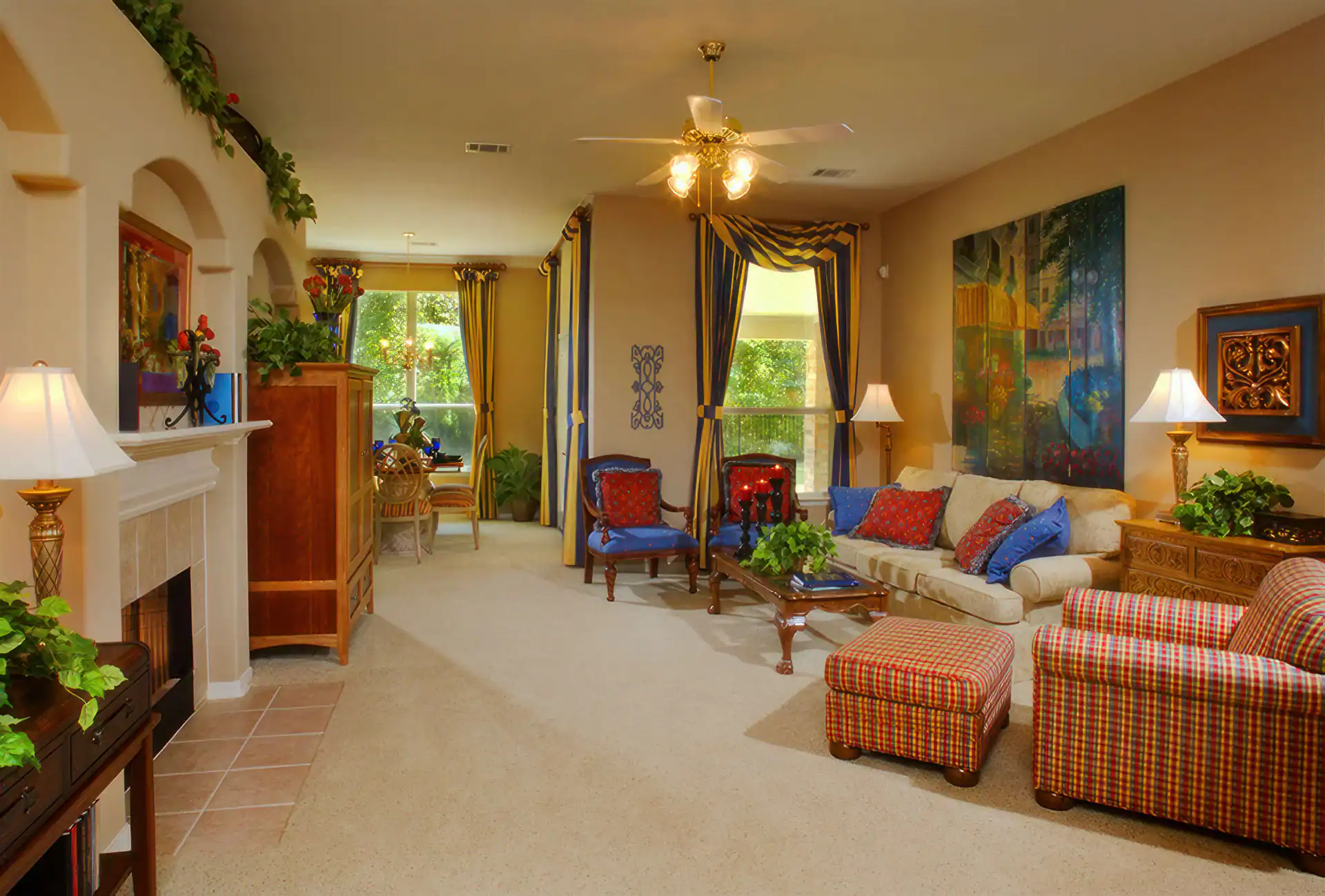
Another question that comes up often: do I really need a specialist, or can any photographer handle commercial work? The honest answer is that it depends on what you’re shooting. A corporate headshot session and an industrial shoot at a petrochemical facility along the Houston Ship Channel require very different technical skills, equipment, and experience. Food photography for a restaurant in the Heights requires a completely different approach than architectural photography for a new mixed-use development in Katy. A photographer who is genuinely experienced across multiple commercial categories has encountered and solved the specific problems each type of shoot presents. A generalist who dabbles in everything may not have.
Businesses in Harris County also frequently ask about consistency — specifically, what happens when they need new images that have to match photography they already have. This is a real technical challenge. Replicating the lighting setup, color tone, and compositional style of a prior shoot requires experience and attention to detail that not every photographer can deliver. If your team is growing and you need new headshots that blend seamlessly with what’s already on your website, or if you’re expanding a product line and need new imagery that matches your existing catalog, that continuity is worth asking about directly before you book anyone.
Finally, people ask whether professional photography is worth it for a smaller business operating in Harris County. In a county with nearly 100,000 employers and a population growing faster than anywhere else in the country, the businesses that look credible and professional online have a real advantage over those that don’t. The size of your business doesn’t change what your customers expect when they land on your website or your product listing. It just changes how much margin you have to absorb the cost of a bad first impression.
The trends shaping commercial photography in 2025 — rising visual standards, the shift toward authentic industry-specific imagery, the integration of multimedia content, and the growing sophistication of buyers — all point in the same direction. Businesses that invest in professional photography are building a visual asset that compounds in value. Businesses that treat it as an afterthought are making a decision that shows up in every customer interaction.
Harris County is one of the most competitive business markets in the country, and it’s getting more competitive every year. The right commercial photographer isn’t just someone who takes good photos — it’s someone who understands your industry, communicates clearly, delivers reliably, and produces images that actually do the work you need them to do.
We’ve been doing exactly this work in the Houston area since 1974. If you’re ready to talk about what your business needs visually, reach out and let’s figure out what the right shoot looks like for you.
Summary:
Article details: