Finding the right photographer for outdoor and lifestyle shoots means more than just browsing portfolios. It's about finding someone who understands natural light, knows the best local spots, and can make you feel comfortable in front of the camera.
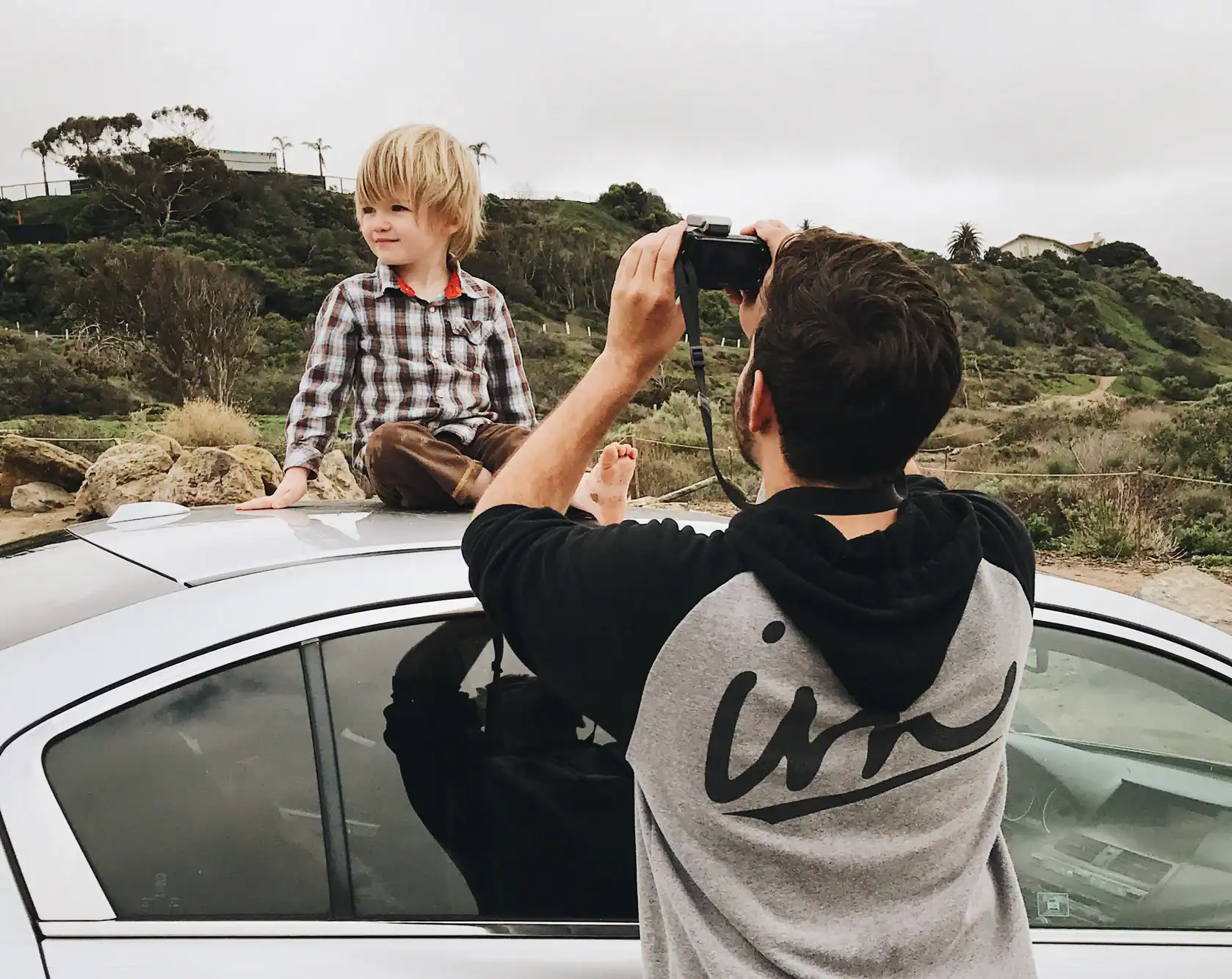
Studio photographers work in controlled environments. Outdoor and lifestyle photographers work with what nature gives them, and that changes by the hour. The sun moves. Clouds roll in. Wind picks up. A photographer who excels outdoors knows how to read light, adapt quickly, and still deliver images that look intentional rather than improvised.
Lifestyle photography specifically focuses on capturing authentic moments rather than formal poses. It’s the difference between standing rigidly in front of a backdrop versus walking through a park while your photographer captures genuine interactions. This approach requires a photographer who can direct without being intrusive and who understands how to make you comfortable enough to forget the camera exists.
When you’re searching for photographers near you, understanding this distinction helps you evaluate portfolios more effectively. Look for images that feel natural, where lighting enhances rather than overpowers, and where subjects appear relaxed and genuine.
Natural light photography sounds simple until you realize how complex sunlight actually is. Direct midday sun creates harsh shadows and squinting. Overcast days provide soft, even light but can feel flat. Golden hour—that magical time right after sunrise or before sunset—offers warm, flattering tones but only lasts about 45 minutes.
A skilled outdoor photographer doesn’t just show up and hope for good light. They plan shoots around optimal lighting conditions, scout locations beforehand to understand how light moves through the space, and know how to position subjects to take advantage of available light. They understand that open shade provides beautiful, soft light for portraits. They know how to use reflectors to bounce light into shadowed areas without making it look artificial.
This expertise matters more than you might think. The difference between a photographer who understands natural light and one who doesn’t shows up immediately in your final images. Properly lit outdoor photos have dimension, depth, and skin tones that look natural rather than washed out or muddy. When you’re evaluating photographers near you, ask about their approach to natural light. Do they prefer certain times of day? How do they handle challenging lighting situations? Their answers reveal whether they truly understand outdoor photography or just occasionally shoot outside.
The best outdoor photographers also know when conditions aren’t ideal and can adjust accordingly. Maybe they’ll move to a different location with better shade. Perhaps they’ll reschedule if weather makes good photos impossible. This flexibility and knowledge separate professionals from hobbyists who happen to own nice cameras.
A photographer who knows Harris County intimately brings value you can’t get from someone who just moved to the area. They know which parks get crowded on weekends and which hidden spots offer beautiful backdrops without interruptions. They understand how Houston’s humidity affects outdoor shoots and plan accordingly. They’ve shot at Hermann Park dozens of times and know exactly where the light hits best at 5 PM in October.
This local knowledge saves you time and stress. You’re not spending half your session wandering around looking for good spots. Your photographer already knows three backup locations in case your first choice is too crowded or the light isn’t working. They can suggest outdoor locations that match your style—whether you want urban architecture, natural greenery, or waterfront views.
Local expertise also means understanding seasonal considerations. Houston weather can be unpredictable, and a photographer familiar with the area knows which months tend to have the best conditions for outdoor shoots. They can advise you on timing and help you avoid scheduling during the rainiest season or the most oppressive heat.
Beyond weather and locations, photographers with local expertise often have relationships with venues and property managers. They know which locations require permits and which are freely accessible. They understand local regulations about commercial photography in public spaces. This knowledge prevents situations where you show up for your scheduled shoot only to discover you can’t actually photograph there.
When you’re interviewing photographers near you, ask about their favorite local spots for outdoor shoots and why they prefer them. Their answers should be specific and detailed, demonstrating genuine familiarity rather than generic responses about “pretty parks.” A photographer who can describe exactly where they like to position clients at Buffalo Bayou Park and why that spot works well has the local expertise that makes outdoor sessions run smoothly.
Want live answers?
Connect with a Joe Robbins Photography expert for fast, friendly support.
Professional equipment matters for outdoor photography, but not in the way most people think. The most expensive camera doesn’t automatically produce the best images. What matters is having the right equipment for outdoor conditions and knowing how to use it effectively. Weather-sealed camera bodies and lenses protect against humidity and unexpected rain. Fast lenses with wide apertures allow shooting in varied lighting conditions without sacrificing image quality.
Outdoor photographers need backup equipment because problems happen in the field. Batteries drain faster in extreme temperatures. Memory cards fail. Having redundancy means your session continues smoothly even if something goes wrong. Professional photographers come prepared with multiple camera bodies, extra lenses, backup batteries, and sufficient memory cards.
Beyond cameras and lenses, outdoor photographers use tools that help them adapt to changing conditions. Reflectors bounce light into shadowed areas. Diffusers soften harsh sunlight. Lens hoods prevent lens flare when shooting toward the sun. These aren’t expensive accessories, but they demonstrate a photographer’s understanding of how to control light outdoors.

The conversation you have with potential photographers reveals as much as their portfolios. Start by asking about their experience with outdoor and lifestyle photography specifically. How long have they been shooting outdoors? What percentage of their work happens in natural settings versus studios? Do they prefer outdoor photography or just offer it as an option?
Ask about their process for planning outdoor shoots. Do they scout locations beforehand? How do they determine the best time of day for your session? What happens if weather doesn’t cooperate? Their answers should demonstrate thoughtful planning rather than a casual “we’ll figure it out” approach.
Discuss their approach to making clients comfortable during shoots. Many people feel awkward in front of cameras, and this discomfort shows in photos. Good outdoor photographers have strategies for helping clients relax and look natural. They might suggest activities rather than static poses, engage you in conversation to capture genuine expressions, or provide specific guidance that makes you feel confident rather than self-conscious.
Talk about their editing process and timeline. How long until you receive your photos? What does their editing style look like? Do they provide all images or a curated selection? Understanding these details upfront prevents disappointment later. Some photographers deliver hundreds of lightly edited images; others provide fewer photos with more intensive retouching. Neither approach is wrong, but you should know what to expect.
Finally, discuss pricing and what’s included. Are there travel fees for certain locations? How many outfit changes are allowed? Can you bring props or pets? Do you receive digital files, prints, or both? Clear communication about these practical details ensures everyone’s on the same page before the shoot begins.
Outdoor photography encompasses many different styles, and understanding these differences helps you find a photographer whose aesthetic matches your vision. Some outdoor photographers favor bright, airy images with soft tones and gentle editing. Others prefer moodier, more dramatic looks with deeper shadows and richer colors. Neither is better—they’re just different approaches to capturing outdoor scenes.
Lifestyle photography specifically emphasizes candid, natural moments over formal poses. If you’ve seen photos where families are laughing together, walking hand-in-hand, or playing with their kids rather than staring directly at the camera, that’s lifestyle photography. This style requires photographers who excel at capturing authentic interactions and emotions rather than directing every movement.
Documentary-style outdoor photography takes the candid approach even further, with photographers acting more like observers than directors. This works beautifully for events or situations where you want genuine moments captured without interruption. It requires photographers who can anticipate meaningful moments and position themselves to capture them without being intrusive.
Then there’s editorial or fashion-influenced outdoor photography, which brings more stylized, magazine-quality aesthetics to outdoor settings. These shoots typically involve more direction, specific posing, and carefully curated wardrobe and styling. The results look polished and intentional, perfect for professional headshots, personal branding, or fashion-focused portraits.
When reviewing photographers’ portfolios, pay attention to which style resonates with you. Do you prefer images that feel spontaneous and unposed? Or do you want something more refined and directed? Some photographers work comfortably across multiple styles; others specialize in specific approaches. Finding alignment between your preferences and their natural style leads to better results and a more enjoyable experience.
Also consider how their style translates across different subjects. A photographer who captures beautiful outdoor wedding moments might approach family portraits or professional headshots quite differently. Look for examples that match what you’re trying to achieve, and don’t hesitate to ask if they have more work in that specific area.
Finding the best photographers near you for outdoor and lifestyle shoots comes down to three things: technical expertise with natural light and outdoor conditions, local knowledge that makes sessions run smoothly, and the ability to make you feel comfortable in front of the camera. The right photographer brings all three, creating an experience that feels natural rather than stressful and delivers images you’ll actually want to display.
Take time to review portfolios carefully, looking specifically at outdoor work that matches what you’re envisioning. Ask questions about their process, experience, and approach to outdoor photography. Pay attention to how they communicate—photographers who listen well and explain their methods clearly tend to deliver better results because they understand what you’re trying to achieve.
When you’re ready to move forward with outdoor or lifestyle photography in Harris County, TX, we bring decades of experience, deep Houston-area knowledge, and a collaborative approach that puts clients at ease. Our focus stays on understanding your vision and creating images that genuinely represent who you are.
Summary:


Article details: