Your brand deserves more than generic headshots. Explore how strategic portrait photography creates authentic visual stories that connect with your audience.
Portrait photography gets reduced to “headshots” in most people’s minds. You sit. You smile. You get a photo. Done.
But that’s not what professional portrait photography is really about. It’s visual communication. The right portrait tells your audience something specific about you before you’ve said a word—that you’re approachable, that you’re confident, that you take your work seriously but don’t take yourself too seriously. Or maybe the opposite. Maybe your brand needs authority, polish, and no-nonsense professionalism.
The point is this: your portrait should be strategic, not accidental. It should align with how you want to be perceived and the clients you want to attract. That’s where the “story” part comes in.

When we talk about portrait photography that tells a story, we’re not talking about theatrical poses or manufactured moments. We’re talking about context, authenticity, and intention.
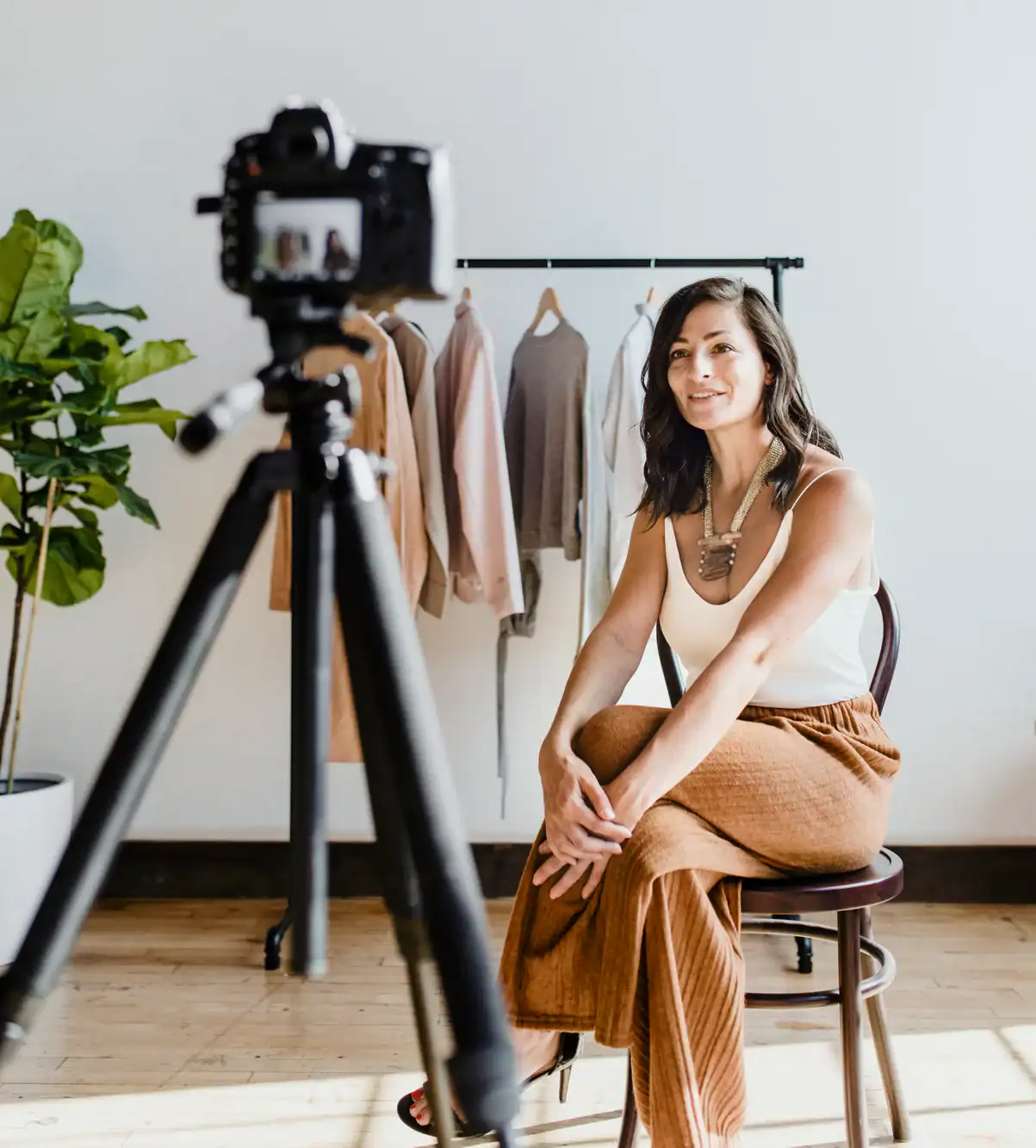
Think about the difference between a photo of someone standing in front of a blank wall versus someone in their actual workspace, surrounded by the tools they use every day. Both are portraits. But one gives you information. It shows you what this person does, how they work, maybe even hints at their personality through the environment they’ve created.
Storytelling in portrait photography means your images communicate more than your face. They communicate your values, your process, your vibe. A lawyer might want something that conveys trust and competence. A creative entrepreneur might want something that feels warm, innovative, and a little unexpected. A corporate executive might need polished professionalism with just enough personality to feel human.
The best portraits don’t just document—they reveal. They give your audience a reason to feel like they already know you a little. And that familiarity builds trust faster than any amount of copy on your website ever could.
This is especially important in Houston, where professionals across industries—from energy and healthcare to real estate and finance—are competing for attention in crowded markets. Your portrait needs to do more than exist. It needs to differentiate you. That’s why more Houston professionals are searching for photographers near me who understand branding, not just photography services.
Let’s get practical. What actually makes a portrait effective for your business?
First, it needs to look like you. Not you on your best day after three hours of hair and makeup (unless that’s your actual brand). You as you show up to work. You as clients will meet you. Because if there’s a disconnect between your photo and reality, it creates doubt. And doubt kills conversions.
Second, it needs to fit where it’s going to be used. A tight headshot works great for LinkedIn. But if you need images for your website, social media, email campaigns, and marketing materials, you need variety. Different crops, different backgrounds, different levels of formality. One photo can’t do everything. That’s why professional photographers who specialize in commercial photography create collections, not just single shots.
Third, it needs to be technically solid. Sharp focus. Good lighting. Clean composition. These aren’t negotiable. A blurry, poorly lit photo doesn’t just look bad—it signals that you don’t pay attention to details. And if you don’t pay attention to your own image, why would a client trust you with theirs?
Fourth, and this is the part most people miss: it needs to align with your brand strategy. If your whole message is about being approachable and down-to-earth, a stiff corporate headshot works against you. If you’re positioning yourself as a premium service provider, a casual snapshot undermines that perception.
Photography services that understand branding don’t just take good photos. We ask questions. What do you do? Who are your clients? How do you want to be perceived? What’s the vibe of your brand? Those answers shape everything—from location and wardrobe to expression and composition.
Houston professionals increasingly recognize this. They’re moving away from cookie-cutter headshots and toward personal branding photography that gives them a library of images they can actually use. Because one session with the right commercial photographer produces content that works across every platform for months or even years.
Want live answers?
Connect with a Joe Robbins Photography expert for fast, friendly support.
Most people show up to a photo session hoping it goes well. That’s not a strategy. That’s a gamble.
If you want portraits that actually serve your brand, you need to think about the session before it happens. What are you trying to communicate? Where will these images be used? What feeling do you want people to have when they see them?
Start by getting clear on your brand. Not your business—your brand. How do you want people to perceive you? What words would you want them to use when describing you to someone else? That clarity shapes every decision, from what you wear to how you’re photographed.
Then think about use cases. Do you need a professional headshot for LinkedIn? Great. But do you also need images for your website’s about page? For social media? For speaker bios or press materials? Each of those might require a different style, crop, or background. A professional photographer will help you plan for all of it.

Here’s what separates a professional photographer from someone with a nice camera: we guide you through the entire process.
Before the session, we ask about your goals. We want to know how the images will be used, what your brand is about, and what you’re trying to communicate. We might offer suggestions on wardrobe, location, or styling. This isn’t micromanaging—it’s strategy. We work with Houston professionals to understand their specific needs before the camera ever comes out.
During the session, we direct you. Most people feel awkward in front of a camera. That’s normal. A skilled photographer knows how to make you comfortable, adjust your posture in ways that feel natural, and capture expressions that don’t look forced. We handle the lighting, the composition, the technical stuff. Your job is just to show up and trust the process.
After the session, we deliver polished, professional images. That means proper retouching—not overdone, just enough to ensure you look like the best version of yourself. Sharp, well-lit photos that you’re actually proud to use.
The whole experience should feel efficient, not stressful. You’re busy. We respect that. We work quickly, communicate clearly, and deliver on time.
In Houston, where industries like oil and gas, healthcare, and legal services demand professionalism, this kind of experience matters. You’re not just getting photos—you’re getting a brand asset that represents you in every professional interaction you have online.
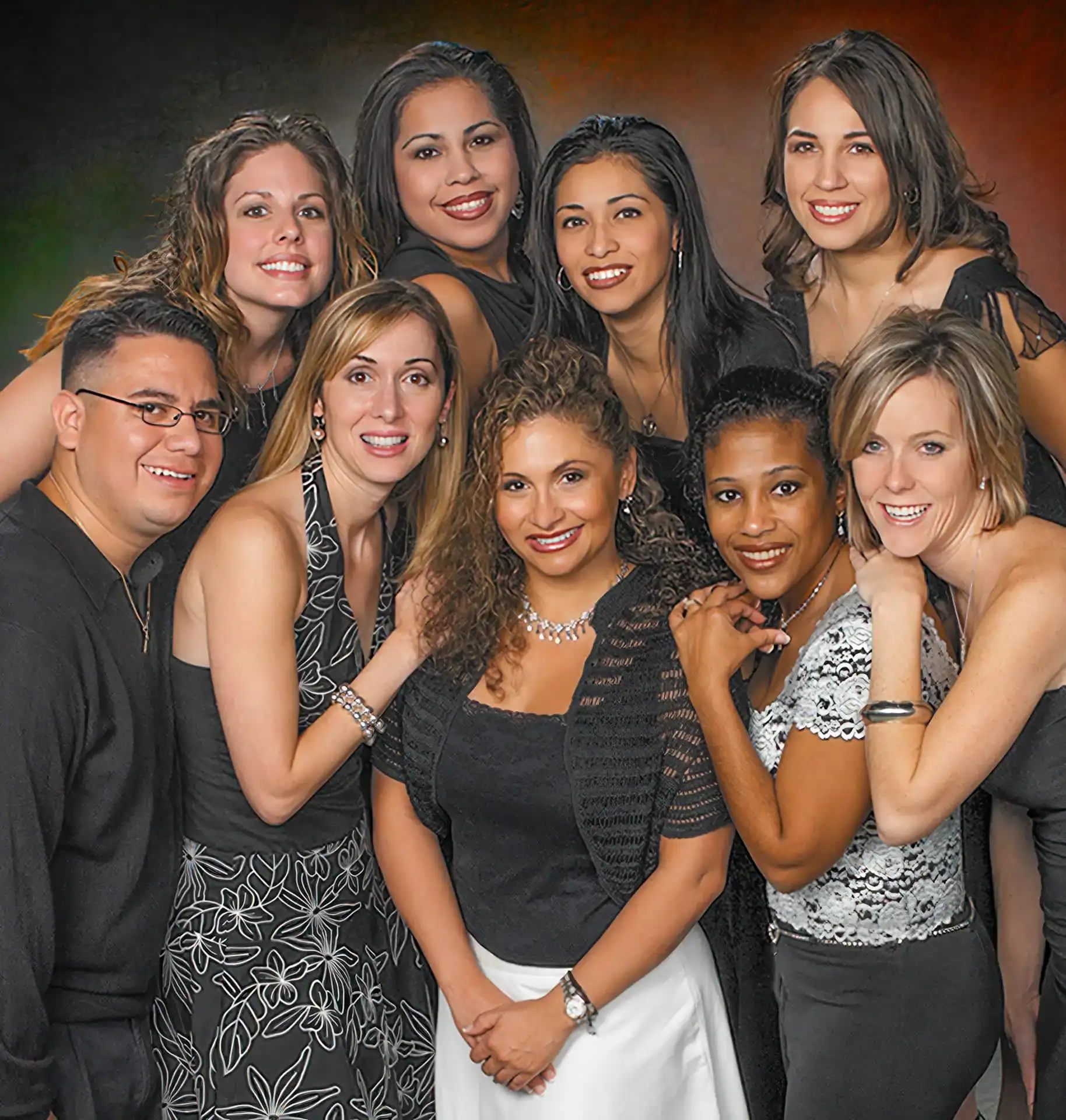
And if you’re coordinating team photography for your business, the process becomes even more important. Consistency matters. Everyone’s headshots should have the same lighting, background, and overall feel. That unified look reinforces your brand identity and makes your team look cohesive and professional.
Let’s address what’s probably on your mind.
You’re wondering how often you should update your professional portraits. Every one to two years, or whenever your look changes significantly. If you’ve changed your hairstyle, lost or gained weight, or just look noticeably different than your current photo, it’s time for an update. Outdated photos create a disconnect between expectation and reality.
You’re wondering what to wear. Dress like you would for an important client meeting. Solid colors usually work better than busy patterns. Avoid logos or anything too trendy that will date the photo. And bring options. A good session might include outfit changes to give you variety.
You’re wondering about the difference between a headshot and a brand portrait. A headshot is typically a close-up, shoulders and above, often on a neutral background. A brand portrait can include more of your environment, show you at work, or incorporate elements that tell more of your story. Both have their place. Most professionals need both.
You’re wondering how to choose between studio and on-location photography. Studio sessions give you controlled lighting and a clean, professional look. On-location sessions give you context and personality. Many Houston professionals do both—studio shots for formal needs like LinkedIn, environmental portraits for website and social content.
And you’re probably wondering if you can really look natural and comfortable in photos if you hate being photographed. Yes. Most people feel awkward at first. A professional photographer knows how to put you at ease, give you direction so you’re not guessing what to do, and capture moments when you’re relaxed and authentic. The camera-shy thing is common. Good photographers work with it, not against it.
Professional portrait photography isn’t an expense. It’s an investment in how you’re perceived.
Every time someone lands on your website, checks your LinkedIn, or sees your photo attached to an article or speaking engagement, that image is working for you. It’s building trust, establishing credibility, and influencing whether someone decides to reach out.
The right portraits give you a library of professional content you can use across every marketing channel. They save you from scrambling for photos every time you need to update your website or post on social media. They ensure you’re always represented in a way that aligns with your brand.
And they differentiate you. In competitive markets, especially in a city like Houston where professionals across industries are vying for the same clients, your visual presence matters. People make snap judgments. Your portrait either reinforces the message you’re trying to send, or it contradicts it.
If you’re ready to invest in portrait photography that actually tells your story, we work with professionals and businesses throughout Houston to create authentic, strategic imagery that serves your brand. Reach out and let’s talk about what you need.
Summary:
Article details: