First impressions happen in 7 seconds. Your portrait is working for you right now—on LinkedIn, your website, and every email you send.
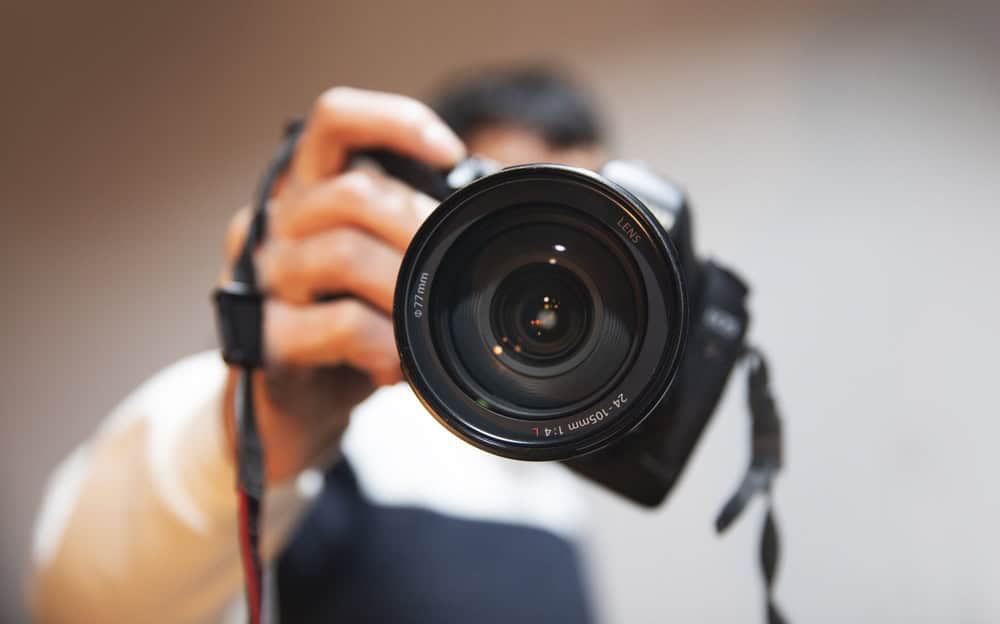
Your face is your brand now. Not your logo, not your tagline—you.
When someone searches for you online, your portrait is the first thing they see. Research shows you have exactly 7 seconds to establish credibility before someone forms a lasting judgment. And 55% of that impression is based purely on visual appearance. That’s not enough time to explain your credentials or share your story. Your portrait has to do that work for you.
Think about your own behavior. When you’re evaluating a potential partner, vendor, or new hire, where do you go first? LinkedIn. Their website. Google. And what catches your eye? The photo. A polished, authentic portrait signals professionalism, confidence, and credibility before a single word is exchanged. In Harris County’s energy, healthcare, and legal sectors, this visual credibility isn’t optional—it’s expected.
Professional doesn’t mean stiff anymore. The biggest shift in portrait photography is the move away from rigid, overly posed shots that make you look like you’re facing a firing squad.
In 2026, the trend is what’s being called “the confident neutral”—an expression that says you’re focused, approachable, and actually present. It’s not about fake smiles or theatrical poses. It’s about looking like yourself on your best day. Relaxed jaw. Engaged eyes. Natural confidence.
Here’s what’s changed: people want to see real skin texture, character lines, the things that make you human. The old approach of airbrushing everything into oblivion is out. Polished, not plastic—that’s the rule now. Clients are tired of AI-generated headshots that look eerily perfect but lack soul. They want authenticity, and that requires a real photographer who understands lighting, posing, and how to make you comfortable enough to let your personality come through.
The technical side matters too. Proper lighting isn’t just flattering—it’s strategic. Soft, natural light preserves dimension while avoiding harsh shadows that age you or make you look severe on a screen. Background choice has evolved as well. Clean, minimal backgrounds keep the focus on you while offering flexibility for cropping across different platforms—LinkedIn circles, website rectangles, email signatures, conference badges.
And let’s talk about what you’re wearing. Solid colors and professional attire work best, but “professional” doesn’t mean boring. In industries like law and finance, suits and blazers still dominate. But in tech, creative fields, and consulting, business casual has become the sweet spot. The key is dressing one level above your daily norm—polished enough to signal you take yourself seriously, but not so formal that you look unapproachable.
Your portrait should also be current. If your headshot is more than two years old, it’s working against you. People expect your photo to match how you look today. When there’s a disconnect between your image and reality, it creates distrust—even if it’s subconscious.
Your professional portrait isn’t a one-and-done asset. It’s working for you across multiple channels, every single day.
LinkedIn is the obvious one. Over 90% of recruiters and decision-makers review LinkedIn profiles before making contact. Your headshot is the first thing they see—and it determines whether they keep reading or move on. A strong portrait increases profile views, encourages more connections, and boosts engagement. People are more likely to click on profiles with professional photos, and they’re more likely to remember you afterward.
But it doesn’t stop there. Your portrait shows up on your company website, especially if you’re part of a team page or leadership section. It appears in email signatures, where it reinforces your professionalism with every message you send. It’s used in proposals, investor kits, PR packets, and marketing materials. If you’re speaking at a conference or being featured in the press, they’ll ask for a headshot. If you’re applying for a new role or pitching a client, your image is part of the package.
Think about the cumulative effect. That one portrait is creating repeated exposure and shaping how people perceive you before you ever meet. It’s building trust, establishing credibility, and positioning you as someone worth paying attention to. In industries like oil and gas, healthcare, law, and real estate—sectors that dominate Harris County, TX—this visual credibility is non-negotiable.
Here’s the thing: a professional portrait works harder than almost any other marketing tool you have. It doesn’t take days off. It doesn’t get tired. It shows up consistently, in all the places that matter, doing the quiet work of making you look competent, trustworthy, and approachable.
And when your portrait is done right—when it’s well-lit, authentically you, and tailored to your industry—it gives you a competitive edge. You stand out in crowded search results. You look more established than competitors using selfies or outdated photos. You signal that you’re serious about your professional image, which makes people take you more seriously in return.
The ROI is simple: one investment, multiple uses, ongoing impact. Your portrait is your digital business card, and it’s the one piece of marketing collateral that never goes out of style.
Want live answers?
Connect with a Joe Robbins Photography expert for fast, friendly support.
If you’ve never worked with a professional photographer, the process might feel a little mysterious. What happens during a session? How long does it take? What if you’re awkward in front of a camera?
Let’s demystify it. A good portrait session isn’t about showing up and hoping for the best. It’s a collaborative process, and our job is to guide you through every step. You’re not expected to know how to pose or where to look—that’s what we’re here for.
Most sessions start with a conversation. What do you need these images for? LinkedIn? Your website? Marketing materials? Understanding the end use helps shape the approach. From there, we’ll guide you on wardrobe, posing, and expression. Small adjustments—turning your shoulders slightly, lifting your chin, relaxing your jaw—make a huge difference in the final result.

Preparation makes a difference. You don’t need to stress, but a little planning goes a long way.
Start with wardrobe. Bring a few options if you’re unsure. Solid colors tend to photograph better than busy patterns, and darker tones often convey authority and professionalism. Avoid clothing with logos or distracting details. If you wear glasses, bring them—they’re part of who you are. If you’re worried about glare, we know how to handle it.
Grooming matters. Get a haircut a few days before the session, not the day of—this gives it time to settle. If you wear makeup, keep it natural and slightly more polished than your everyday look. Men, make sure facial hair is trimmed and tidy.
Think about your goals. What do you want this portrait to communicate? Approachability? Authority? Creativity? Confidence? Knowing what you’re aiming for helps you show up with the right energy. And here’s a secret: the best portraits happen when you stop thinking about the camera and start thinking about the conversation. Imagine you’re talking to a colleague you respect, or a client you’re trying to win over. That mindset shift changes everything.
Most importantly, trust the process. We’ve done this hundreds of times. We know how to position you, how to adjust the lighting, and how to coach you into natural expressions. If you’re feeling stiff or uncomfortable, tell us. We’ll adjust the approach until you feel at ease.
The session itself usually doesn’t take long—anywhere from 30 minutes to an hour for an individual shoot, depending on how many looks you’re going for. Corporate team shoots move even faster, often just a few minutes per person. The goal is efficiency without sacrificing quality.
Not all photographers are created equal. You can hand two people the same camera, and one will produce images that look like iPhone snapshots while the other creates portraits that command attention. The difference isn’t the equipment—it’s the experience and the eye behind the lens.
A photographer with decades of experience understands more than just lighting and composition. We understand people. We know how to read body language, how to adjust for different face shapes, and how to bring out confidence in someone who’s nervous. We’ve worked with executives who hate being photographed, professionals who’ve never had a headshot before, and teams that need to look cohesive across an entire website.
Communication is just as important as technical skill. From the first contact through the final delivery, you should feel like you’re being heard. We take the time to understand your vision and objectives before the shoot even starts. We explain the process, address your concerns, and make adjustments in real time based on what’s working and what’s not.
This collaborative approach is what separates a transactional photo session from an experience that actually delivers results. When we’re responsive, attentive, and committed to getting it right, you walk away with images that don’t just meet expectations—they exceed them.
We’ve been creating portraits for corporate and advertising clients since 1974, with our business officially established in 1984. That’s over 40 years of understanding what works, what doesn’t, and how to make clients feel comfortable in front of the camera. Experience like that doesn’t just produce better photos—it produces better outcomes for your business and your brand.
And here’s the reality: your professional portrait is an investment, not an expense. It’s working for you across LinkedIn, your website, proposals, email signatures, and marketing materials. It’s shaping first impressions and building credibility before you ever speak a word. When you work with someone who has the experience and communication skills to get it right, that investment pays dividends for years.
Your professional image is out there, whether you’ve thought about it or not. It’s showing up in search results, on LinkedIn, in email threads, and on websites. The question isn’t whether you need a portrait—you already have one, even if it’s just a cropped vacation photo or a blurry selfie. The question is whether that portrait is helping you or holding you back.
In a world where first impressions happen in 7 seconds and 90% of decision-makers check you out online before ever meeting you, your portrait is doing more work than almost anything else in your professional toolkit. It’s your digital handshake. Your credibility signal. Your competitive edge.
If it’s been more than two years since your last portrait, or if you’ve never invested in a professional one, now’s the time. Harris County, TX is full of sharp, driven professionals who understand that looking the part is half the battle. Don’t let an outdated or amateur image be the thing that costs you the opportunity, the client, or the connection. Reach out to us and make sure your first impression is one that sticks—for all the right reasons.
Summary:


Article details: