Your gala happens once a year. Here is how to make sure the photography works for your organization long after the night is over.

You have locked the venue, confirmed the caterer, and finalized the program. Photography is somewhere on the checklist, but it rarely gets the strategic attention it deserves until something goes wrong. A missed live auction moment. Sponsor signage that never made it into a single frame. Blurry keynote shots that cannot go anywhere. These are not just aesthetic disappointments; they are operational problems that follow you into Q1 when sponsors are deciding if they should renew. This corporate event photography guide is for the coordinator who wants to get this right before the night, not after.
Most coordinators think of a shot list as a helpful suggestion, something to hand the photographer so they do not miss the award presentation. But at the corporate event level, a shot list is closer to a fulfillment checklist. It maps directly to your post-event obligations: sponsor reporting, donor stewardship, press coverage, annual report content, and next year’s fundraising campaign.
Without one, even a technically skilled photographer is making judgment calls in real time, and those calls may not match what your board, your sponsors, or your communications team needed. The shot list removes that guesswork before the first guest arrives.
Here is a scenario that plays out more often than it should. A Houston energy company sponsors your gala at a significant level. Their logo is on the step-and-repeat, their name is in the program, and they have a branded table near the stage. But when your photographer delivered the gallery three weeks later, there was not a single clean image of their signage, and the one shot that included their table was blurry and poorly framed.
Now you are heading into a renewal conversation with nothing to show them. No proof of brand visibility. No images of their team at the event. No documentation that the sponsorship translated into presence in the room.
This is not a hypothetical problem in Harris County. The corporate philanthropic culture here, built heavily around the energy sector, means sponsors are sophisticated. They have communications teams. They know what sponsor fulfillment documentation looks like, and they notice when it is missing. Shell, Chevron, and other organizations have seen enough professional event photography to know the difference between a curated sponsor package and a folder of candids that happened to include their logo in the background.
The fix is straightforward: your shot list should include every sponsor’s signage location, every branded area, and at least one image of sponsor leadership with your board or event organizers. These are not bonus shots. They are deliverables. Treat them that way when you brief your photographer, and confirm before the event that they have reviewed the venue layout and know exactly where each sponsor element is positioned.
We recommend sharing your shot list with the photographer at least one week before the event, not the morning of. A photographer who walks in cold is spending the first thirty minutes of your gala orienting themselves instead of shooting.
These are the two shot categories that separate a good gala gallery from a great one, and they are also the ones that are hardest to capture without experience.
Live auction photography is fast, unpredictable, and happens in a room that is usually lit for atmosphere, not cameras. The energy in the room during a competitive bid is what you want to capture: the raised paddle, the auctioneer’s momentum, and the winner’s reaction. These images are powerful for post-event social media, press releases, and donor stewardship communications. They show your audience that your event generates excitement and revenue. But they require a photographer who knows how to position themselves before the bidding starts, not someone scrambling to find a clear sightline once the room is already moving.
Keynote photography is a different challenge. The stage shot, speaker at the podium with the logo on the screen behind them, is the obvious frame, and it matters. But the images that move people are the ones in the audience. The donor who is moved by a mission story. The board member who leans over to a colleague during a funding milestone announcement. The standing ovation that tells the story in a single frame.
These are the images that end up in next year’s save-the-date, in the annual report, and in major gift conversations. They are also the hardest to get because they require the photographer to be in the right position before the emotional moment happens, which means reading the room, knowing the program, and anticipating rather than reacting.
Both of these shot categories depend on pre-event preparation. A photographer who has reviewed your run-of-show knows when the live auction starts, how long the keynote runs, and where the emotional beats are likely to land. That preparation is what makes the difference between a gallery that documents your event and one that works for your organization.
Want live answers?
Connect with a Joe Robbins Photography expert for fast, friendly support.
Houston has real media coverage of charitable events. The Houston Chronicle, the Houston Business Journal, and local television affiliates cover major galas, but they work on tight timelines. If your press-ready images are not available within 24 to 48 hours of the event, you have missed the window. The story moves on.
A post-event press package is not complicated, but it does require planning. It starts with knowing, before the event, which images are going to be needed for press use and making sure those shots are on the list.
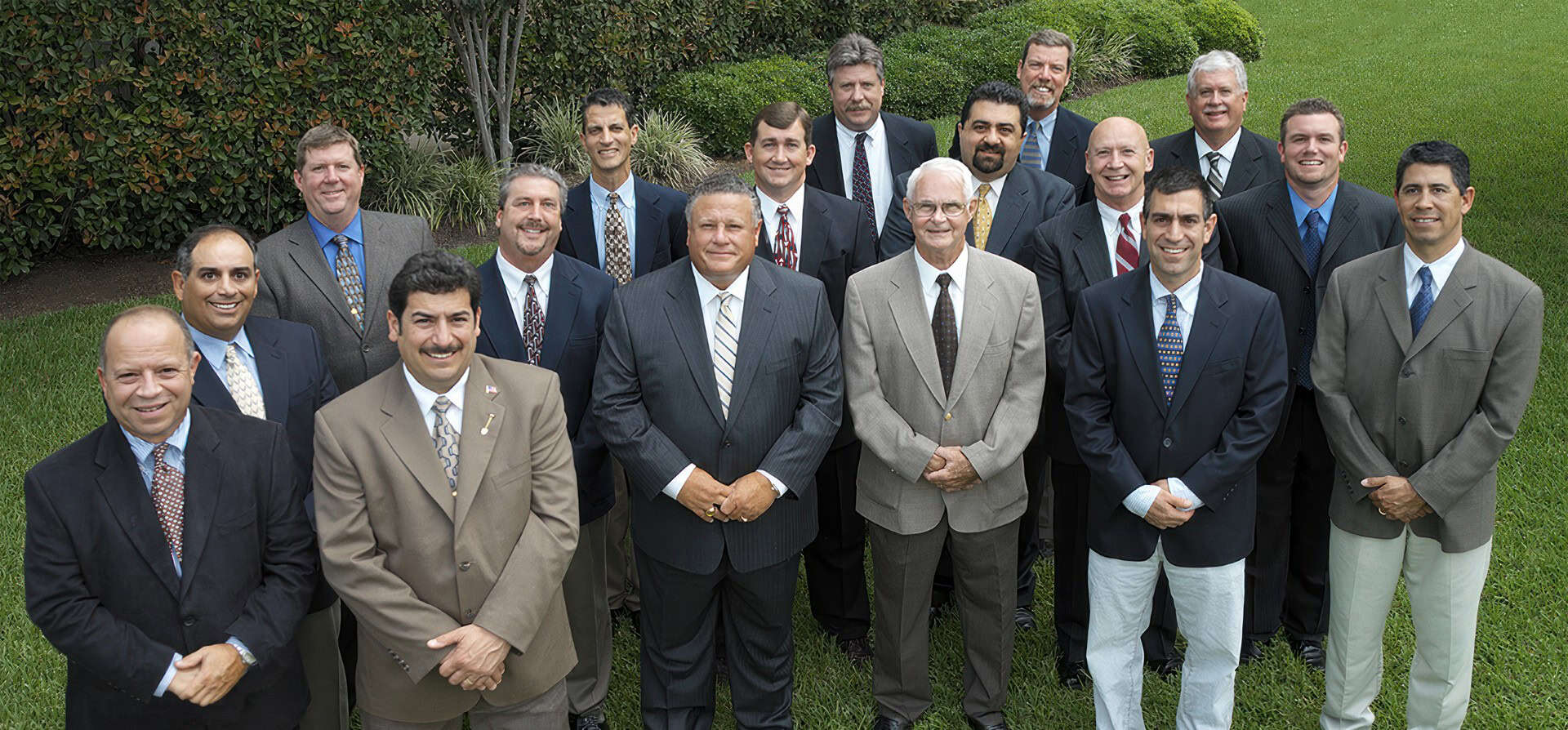
A complete press package for a Harris County non-profit gala typically includes a handful of distinct image categories, each serving a downstream purpose.
You need venue shots, both the exterior and the interior before guests arrive. These establish the setting and give editors visual context without requiring them to crop around people. You need VIP arrival images from the step-and-repeat: clean, well-lit portraits of honorees, board leadership, and major donors that can run alongside a press caption. You need stage coverage of the keynote and any award presentations, shot from an angle that includes both the speaker and the audience when possible. And you need a few strong candid images from the networking portions of the evening, images that show a room full of engaged, well-dressed people who are there because they care about your mission.
What makes these images press-ready is resolution, framing, and speed of delivery. A photo that is beautifully composed but arrives two weeks after the event is not a press asset; it is an archive. The organizations in Harris County that get media coverage of their galas are the ones whose communications teams have high-resolution, captioned images in journalists’ inboxes the morning after the event.
This is also where the distinction between editorial and commercial usage matters. Images used in a press release or news article fall under different licensing considerations than images used in a sponsor fulfillment deck or a paid advertisement. Before your event, confirm with your photographer exactly what usage rights are included in your agreement, not as an afterthought, but as part of the initial conversation. A professional photographer will have a clear answer.
One of the common questions we hear is some version of: “How do we make sure the photographer captures everything?” The answer starts with you, not the photographer. The organizations that walk away with complete, usable galleries are the ones that provided a detailed shot list, shared the run-of-show in advance, and gave the photographer a list of named VIPs, including major donors, board members, and sponsor representatives, before the event started. A photographer who knows who is in the room and what matters to your organization is not guessing.
Another question that comes up is about turnaround time. Coordinators planning galas in Harris County need same-day or next-morning highlights for social media, followed by a complete edited gallery within 48 to 72 hours. That has become the professional standard, and it is worth confirming explicitly before you book anyone. A photographer who quotes “two to three weeks” for delivery is not aligned with the timeline your communications team needs.
People also ask if they need a professional photographer, or if a staff member with a good camera can handle it. The irreversibility argument is the clearest answer: a gala happens once a year. There is no reshoot of the live auction moment, no second chance at the emotional keynote reaction, and no do-over for the sponsor’s CEO shaking hands with your board chair. A consumer camera in a ballroom environment, low light, fast-moving program, and no time to adjust, produces results that do not serve anyone. The cost of a missed shot is measured in sponsor renewals and donor relationships, not just image quality.
We have been working with Houston-area organizations since 1984, and the coordinators who have the smoothest post-event experience are the ones who treated the photography brief as seriously as any other vendor contract. It is a straightforward investment in an asset that keeps working for your organization long after the gala is over.
The right photographer for a Harris County gala is someone who asks good questions before the event, about your run-of-show, your sponsors, your VIPs, and how you plan to use the images. That pre-event conversation is a reliable signal of how the photographer will perform on the night itself.
Ask to see a full gallery from a comparable event, not just portfolio highlights. Portfolio highlights show you the best five frames from a hundred events. A full gallery shows you what the photographer delivers: the consistency, the coverage, the moments they caught, and the ones they did not.
If you are planning a charity gala, an HLSR committee event, or any western formal occasion in Harris County, the details in this guide are a starting point. The shot list, the lighting setup, the donor portrait workflow, and the delivery timeline all need to be discussed and confirmed before the evening starts, not after.
We have been working with Houston-area organizations and executives since 1974. If you want to talk through what your event needs, we are easy to reach and happy to have a real conversation about it.
Planning a corporate or charity gala in Harris County? Check our availability.
Summary:
Article details: