Professional portraits require more than showing up—discover the preparation strategies that transform nervous clients into confident subjects with images they'll actually love.

What you wear matters more than you think. Not because you need to look like a model, but because the right clothing helps you feel confident—and that shows in the final images.
Start with solid colors. They photograph cleaner than busy patterns and keep the focus on your face instead of your shirt. Neutrals like navy, gray, black, and cream work well for most people and most settings.
Think about where these portraits will be used. Corporate headshots call for something polished. Family portraits give you more flexibility to coordinate colors without everyone matching exactly. Personal branding sessions might include multiple outfits that reflect different sides of what you do.

Darker colors tend to slim the body and create a more formal, professional look. Lighter tones feel softer and more approachable. Both work—it just depends on the mood you’re after.
Avoid neon, bright white, and anything with large logos or graphics. Neon reflects light in weird ways. Bright white can blow out in photos and distract from your face. Logos date your images and pull attention away from you.
Texture adds depth. A knit sweater, denim jacket, or linen shirt photographs better than something flat and synthetic. Fabrics with a little weight drape better on camera than thin, clingy materials. If you’re between sizes, go with the one that fits your shoulders and torso well—tailoring makes a difference.
Fit matters as much as color. Clothes that are too baggy make you look larger. Clothes that are too tight create unflattering lines and make you fidget during the session. You want something that fits well enough that you forget you’re wearing it.
Test your outfit before the session. Sit down in it. Move your arms. Make sure nothing rides up, pulls tight, or feels restrictive. If you’re uncomfortable in the dressing room, you’ll be uncomfortable in front of the camera. And that discomfort shows.
Bring options if you’re unsure. An extra shirt or jacket gives you flexibility. We can help you decide what works best once we see how everything looks in the lighting setup. Most sessions have time for at least one wardrobe change if you want variety in your final images.
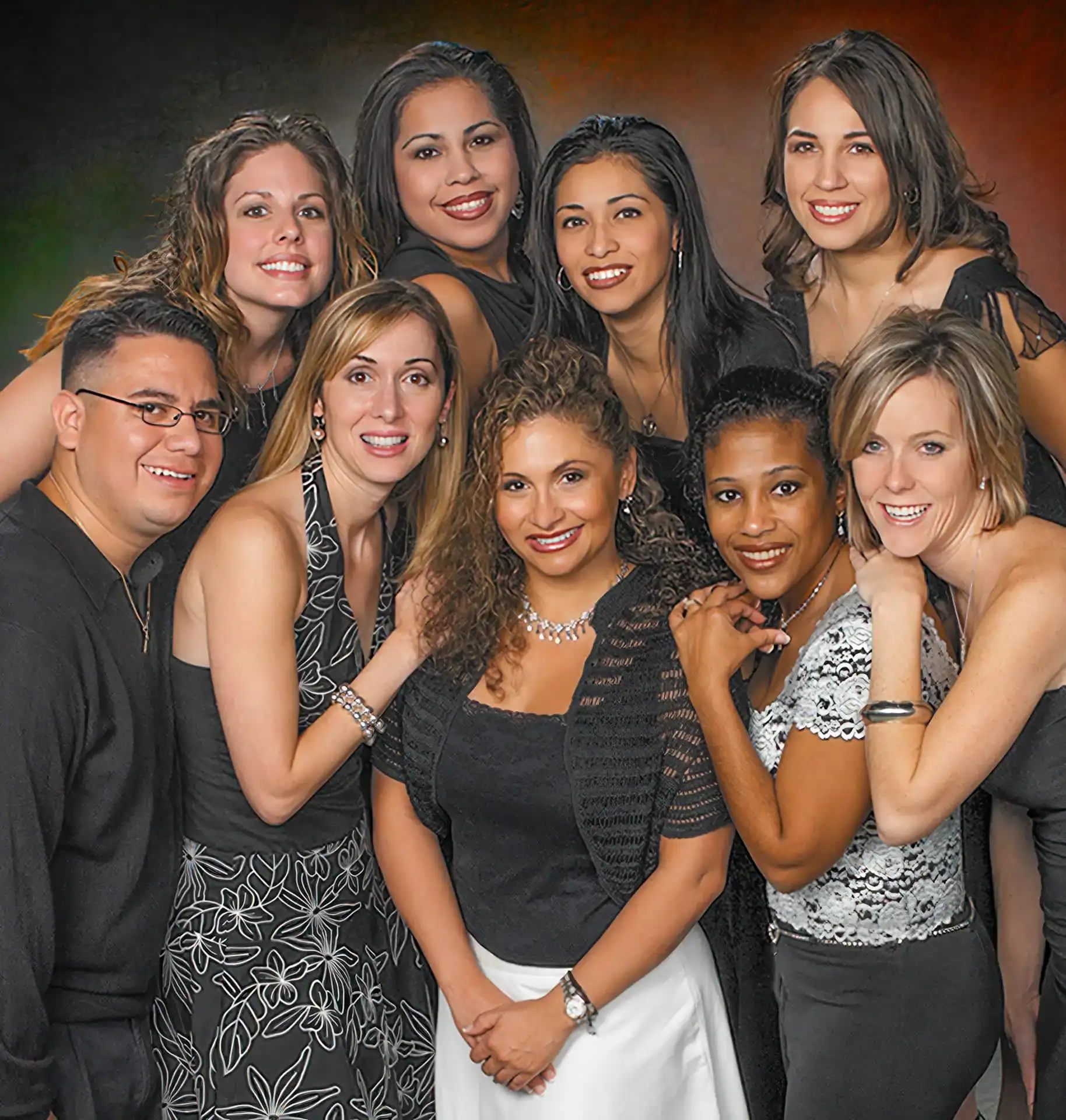
Coordinating outfits for multiple people feels complicated, but it doesn’t have to be. The goal is harmony, not uniformity. You want everyone to look like they belong in the same photo without looking like a matching set.
Pick a color palette instead of matching outfits. Choose three to four colors that work well together—like navy, cream, and soft blue—and let each person wear a combination of those tones. One person might wear a navy dress, another a cream sweater with jeans, and someone else a blue shirt with khaki pants. They coordinate without looking identical.
Vary the tones and textures. If one person wears a solid color, another can wear a subtle pattern like thin stripes or small checks. Mixing in different fabrics—denim, cotton, knit—adds visual interest without creating chaos.
Start with one person’s outfit and build around it. Usually that’s mom, because let’s be honest, she’s doing most of the planning. Once her outfit is set, choose complementary colors and styles for everyone else. This approach keeps the group cohesive without forcing everyone into the same look.
Avoid t-shirts with slogans, athletic wear, and anything too casual unless that’s specifically the vibe you’re going for. Portraits tend to feel more timeless when the clothing leans slightly more dressed-up than everyday wear. Think “nice dinner out” rather than “grocery store run.”
Shoes matter more than you’d expect. They show up in full-length and seated poses. Make sure they’re clean, in good condition, and match the formality of the outfit. Scuffed sneakers under a dress shirt send mixed signals. Worn-out flats under a nice dress do the same thing.
Accessories can tie everything together. A watch, simple necklace, or scarf adds a finishing touch without overwhelming the frame. Just keep it simple—one or two pieces per person, not a jewelry store’s worth.
Want live answers?
Connect with a Joe Robbins Photography expert for fast, friendly support.
Lighting is what separates a snapshot from a professional portrait. It shapes your face, controls shadows, and sets the mood for the entire image. You don’t need to know how to set up lights yourself, but understanding the basics helps you know what to expect.
Natural light works beautifully for outdoor portraits, especially during golden hour—the hour before sunset when the light is soft and warm. Harsh midday sun creates unflattering shadows and makes people squint. Overcast days provide even, diffused light that’s forgiving on skin tones.
Studio lighting gives us complete control. Different lighting setups create different effects. Some emphasize facial structure with dramatic shadows. Others provide soft, even illumination that’s flattering for everyone. We’ll choose the setup that works best for your face shape and the style you’re after.

The direction of light changes how your face appears in photos. Light coming from the front minimizes shadows and creates an even, approachable look—this is common for corporate headshots and family portraits. Light from the side adds dimension and drama by creating shadows that define facial features. Backlighting creates a rim of light around your subject, which works well for artistic or editorial-style portraits.
The quality of light matters as much as direction. Soft light wraps around your face gently, minimizing texture and creating a flattering glow. This comes from large light sources or diffused light. Hard light creates defined shadows and emphasizes texture—it can look dramatic and striking, but it’s less forgiving on skin.
We adjust lighting based on your features. High cheekbones benefit from light that comes from above and slightly to the side, emphasizing that structure. Rounder faces often look better with light positioned to create subtle shadows that add definition. Asymmetrical features are balanced by adjusting the angle and intensity of the light.
Catchlights—those little reflections of light in your eyes—bring life to portraits. They create that “spark” that makes you look engaged and present. We position lights specifically to create these reflections in a natural-looking position, usually at the 10 or 2 o’clock position in your eyes.
If you wear glasses, lighting becomes slightly more complex. Reflections and glare can obscure your eyes if the lights aren’t positioned carefully. We know how to angle lights and position your head to minimize or eliminate glare while keeping your eyes visible and bright.
The background matters too. Light doesn’t just hit your face—it also affects what’s behind you. We might use separate lights to illuminate the background, creating separation between you and what’s behind you. This depth makes portraits feel more three-dimensional and polished.
You don’t need to do anything special to prepare for professional lighting, but a few things help. Well-moisturized skin reflects light more evenly than dry, flaky skin. Skip products with glitter or shimmer—they create hot spots and uneven reflections that are distracting in photos.
If you’re getting hair and makeup done, mention that you’re having professional photos taken. Makeup for portraits needs to be slightly heavier than everyday makeup because studio lights can wash out color. A professional makeup artist knows how to apply makeup that looks natural in person but photographs beautifully under bright lights.
Avoid getting a spray tan or spending excessive time in the sun right before your session. Uneven tans, tan lines, and sunburns are difficult to correct in editing. If you do tan, do it at least a week before your session so your skin tone has time to settle and even out.
Hydration shows in your skin. Drink plenty of water in the days leading up to your session. Well-hydrated skin looks healthier, reflects light better, and photographs with a natural glow that no amount of editing can fully replicate.
Get enough sleep the night before. Tired eyes, dark circles, and puffiness are all visible in professional portraits, especially in close-up shots. While some retouching can help, starting with a well-rested face makes everything easier.
If you have specific concerns about how lighting will affect your features, mention them to us before the session. We adjust our lighting setup to minimize things you’re self-conscious about and emphasize your best features. That’s part of what you’re paying for—technical expertise that makes you look your best.
Planning your portrait session doesn’t have to be overwhelming. Focus on the things that actually make a difference: choosing wardrobe that fits well and photographs cleanly, understanding how lighting shapes your final images, and showing up prepared and rested. The technical side—posing, lighting adjustments, camera settings—that’s our job.
Your job is to be present, trust the process, and communicate what you need. We guide you through posing, adjust lighting to flatter your features, and create an environment where you can relax enough to look like yourself. That’s when the best portraits happen—when you stop trying to look perfect and just exist in front of the camera.
If you’re in Harris County, TX and looking for a photographer who understands how to make portrait sessions feel less like a performance and more like a collaboration, we bring decades of experience helping clients feel comfortable and confident. The result is portraits that actually look like you—just the best version.
Summary:
Article details: