
Hear from Our Customers

Your website, your LinkedIn profile, your marketing materials—they all need images that make people stop and pay attention. Not stock photos. Not iPhone shots with bad lighting. Real photography that shows you know what you’re doing.
When you’re competing for attention in Houston’s energy sector, healthcare, or industrial markets, your visuals either build credibility or they don’t. There’s no middle ground. Clients make snap judgments based on what they see first.
The right images do more than fill space on a webpage. They communicate competence before you say a word. They make your proposals look more serious. They give your sales team something worth sharing. And they last—you’re not redoing them every six months because they looked cheap from day one.
We’ve been creating commercial photography for Houston companies since 1974. That’s before digital cameras, before Photoshop, before most of the shortcuts that make mediocre work look passable today.
We’ve shot for oil and gas companies, healthcare organizations, industrial facilities, and corporate clients who needed someone who understood their world—not just someone with a camera. We’ve taught photography and Photoshop at The Art Institute of Houston and Houston Community College for over two decades. We hold a TWIC card for secure facility access and know how to work safely on industrial sites.
Morgan’s Point and the surrounding Houston area have specific needs when it comes to professional photography. Energy corridor executives need headshots that project authority. Industrial companies need documentation that meets compliance standards. Healthcare organizations need images that feel approachable but professional. You’re not hiring someone to figure that out on your dime.
You reach out with what you need—corporate headshots, facility documentation, product photography, whatever the project is. There’s a conversation about timing, location, and what the images need to accomplish. Not a sales pitch. Just clarity on what you’re trying to do.
Scheduling happens around your operations, not the other way around. If you need on-site work at a refinery or manufacturing facility, that gets coordinated with your safety requirements. If studio work makes more sense, that’s an option too. You’re not locked into one approach.
The shoot itself is efficient. You’re not spending half a day on something that should take an hour. Lighting gets set up, shots get captured, adjustments happen in real time. If you’re doing employee headshots, people move through quickly without feeling like they’re holding up the line.
After the shoot, you get high-resolution digital files that work across your marketing channels—web, print, social media, presentations. Turnaround is fast because you usually need these images yesterday, not next month. Revisions happen if something’s not right, but the goal is getting it right the first time.
Ready to get started?
Corporate headshots are the most common request. You need consistent, professional images of your team that don’t look like driver’s license photos. Proper lighting, neutral or branded backgrounds, and quick turnaround so your people aren’t away from their desks all day.
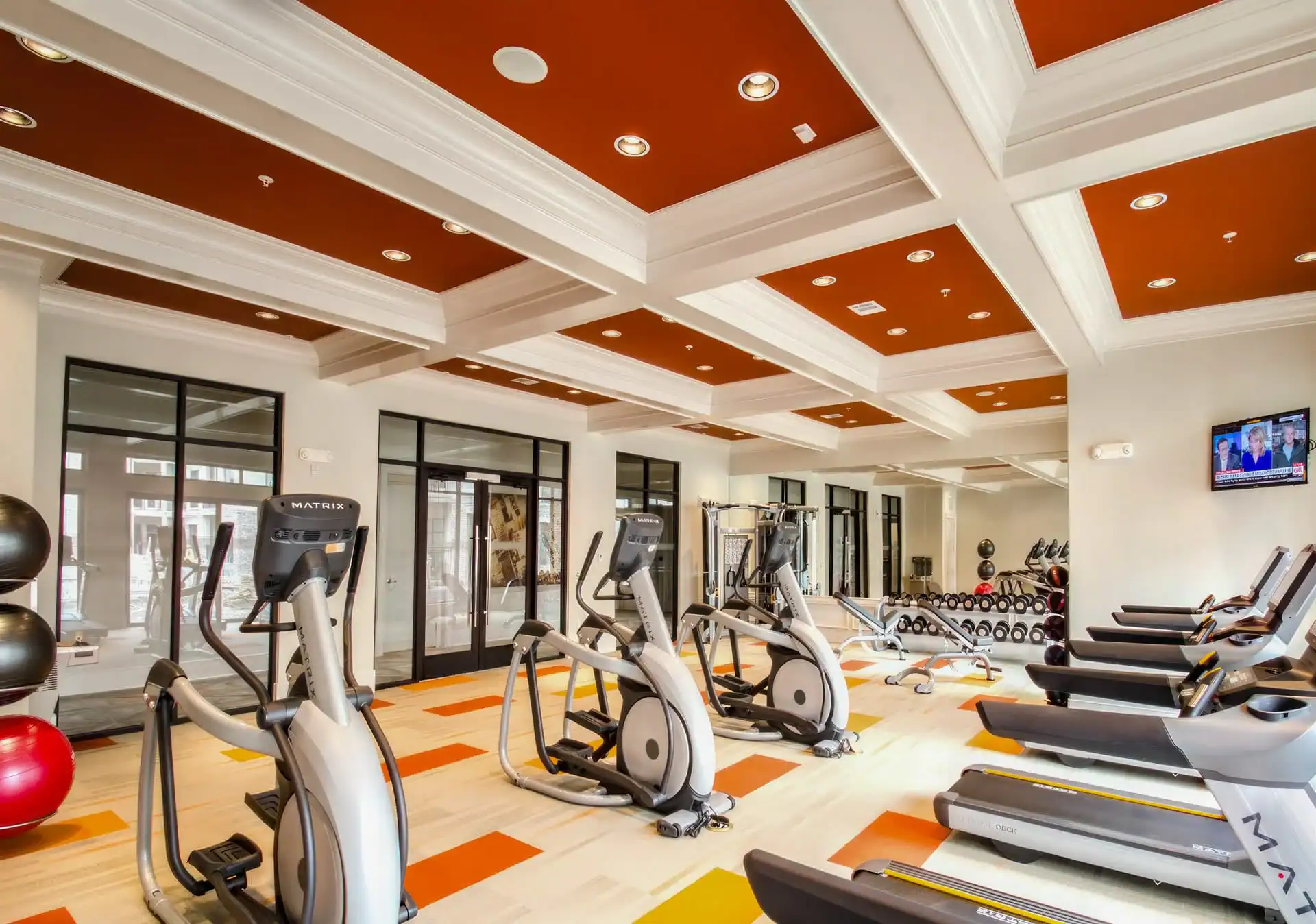
Industrial and facility photography covers everything from safety documentation to marketing imagery for capabilities presentations. This includes refineries, manufacturing plants, construction sites, and energy facilities across the Houston area. It requires understanding of PPE requirements, hot work permits, and how to work around active operations without causing delays.
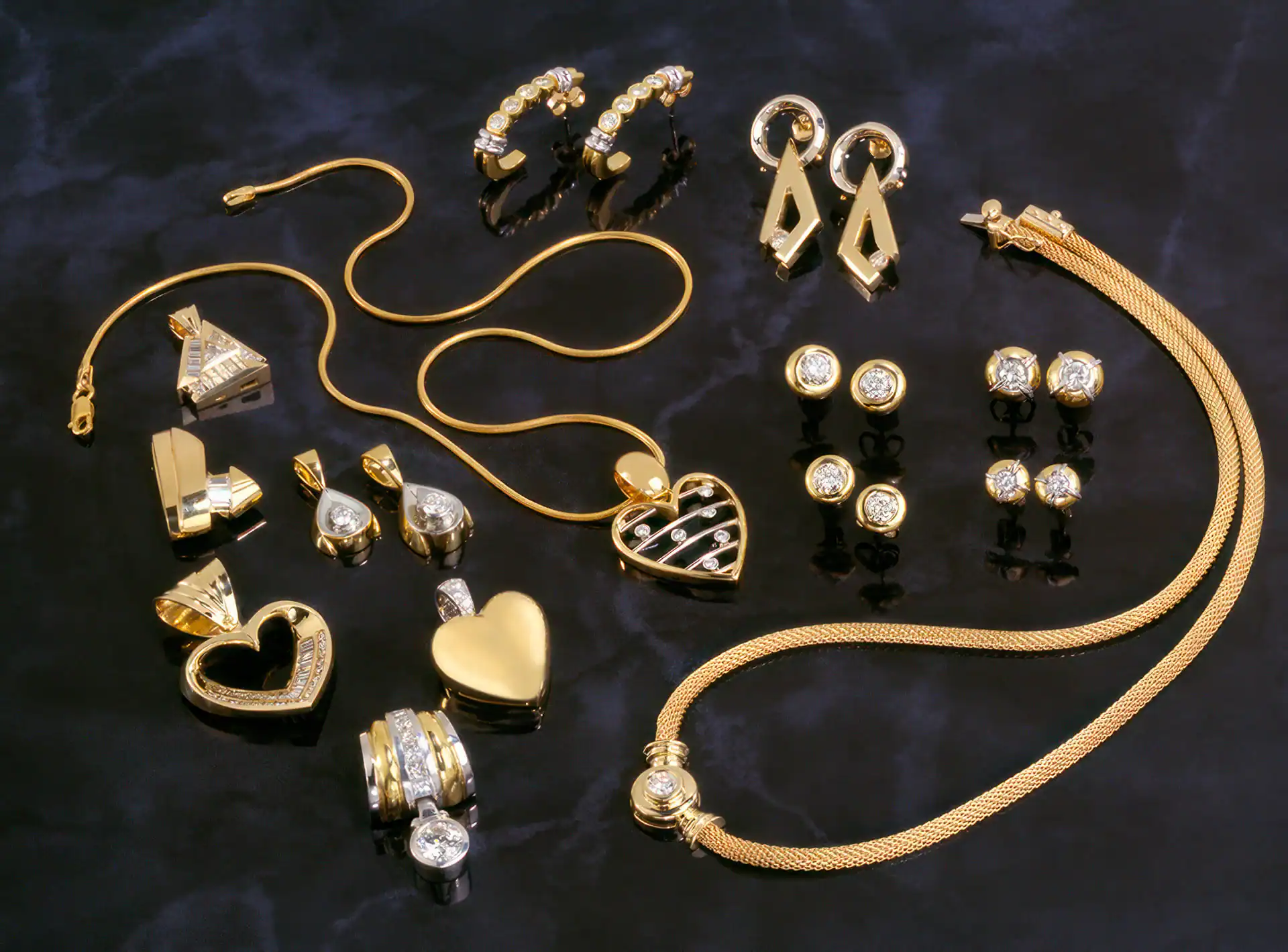
Commercial work spans product photography, architectural shots, and brand imagery for marketing campaigns. If you’re a Houston-based business trying to show what you do—whether that’s medical devices, engineered products, or professional services—you need images that communicate quality and competence.
Portrait photography extends beyond corporate headshots to executive portraits, team photos, and professional imagery for consultants, attorneys, doctors, and anyone who needs to look credible online. The Houston market is competitive. Your photo is often the first impression someone has of you, and it needs to be better than your competitors’.
It depends entirely on what you need and how complex the shoot is. A single executive headshot costs less than a full day documenting an industrial facility. Product photography pricing varies based on how many items you’re shooting and how much styling or setup is involved.
Most commercial photography gets quoted per project, not per hour, because that’s clearer for everyone. You know what you’re paying upfront. There aren’t surprise charges because the shoot took an extra thirty minutes.
For Houston-area businesses, expect to invest more than you would for basic portrait photography, but less than you’d spend fixing a marketing campaign that failed because the images looked amateur. If you’re comparing prices and someone’s significantly cheaper, ask why. Usually it’s experience, equipment, or the ability to deliver what you actually need—not just what you asked for.
Smartphones take decent photos in good lighting when you’re not trying to accomplish anything specific. They fall apart when you need consistent results, controlled lighting, or images that work across multiple formats and sizes.
Professional photography means understanding how to light a subject so they look approachable but competent, not washed out or shadowy. It means knowing which lens to use so a headshot doesn’t distort someone’s face. It means getting the shot right in-camera instead of trying to fix everything in editing later.
For business use, the gap is even wider. You can’t shoot industrial equipment with a phone and expect images sharp enough for a trade show banner. You can’t photograph a medical facility with an iPhone and meet the standards healthcare organizations require. And you definitely can’t shoot fifty employee headshots with a smartphone and have them look consistent enough to use on your website. The tool matters less than knowing how to use it, but the tool still matters.
Individual headshots take about ten to fifteen minutes per person once lighting is set up. If you’re doing twenty employees, plan on half a day including setup and breakdown. If it’s just you or a couple of executives, an hour covers it.
Product photography depends on how many items and how much each one needs to be styled or positioned. Simple products on white background move quickly. Complex setups with multiple angles and lifestyle shots take longer.
Industrial or facility photography is the wildcard. Walking a refinery or manufacturing plant to capture specific processes, equipment, or safety protocols can take a full day or more. It’s not just shooting—it’s coordinating with operations, following safety procedures, and working around active production schedules. You’re not rushing through that kind of work. The goal is getting comprehensive documentation without disrupting what you’re there to photograph.
Both work, and it depends on what makes sense for your situation. Corporate headshots often happen on-site at your office because getting your whole team to a studio is a logistical headache. Industrial photography obviously happens at the facility. Architectural work happens at the building.
Studio work makes sense when you need controlled conditions—product photography, certain types of portraits, anything where you want zero variables in lighting or background. The studio setup allows for consistency that’s harder to achieve in the field.
For Houston-area clients, on-site work is common because it’s more efficient. You’re not paying people to drive across town and sit in traffic. They walk down the hall, get their photo taken, and go back to work. Equipment is portable enough that a professional setup can happen almost anywhere with enough space and access to power. The quality doesn’t suffer just because it’s not in a studio.
Wear what you’d wear to meet your most important client. Not what you’d wear to a wedding or a nightclub. Not a t-shirt unless that’s genuinely your brand and industry. Something that looks professional for your field without being distracting.
Solid colors work better than busy patterns. Patterns can create visual noise in photos, especially small checks or tight stripes. If your company has brand colors, incorporating those can make sense. If you’re doing team photos, some coordination helps—not matching uniforms, but a similar level of formality.
Avoid clothing with large logos unless that’s intentional branding. Your face should be the focus, not your shirt. Make sure whatever you wear fits well—too tight or too loose both look sloppy on camera. And if you’re unsure, bring options. It takes two minutes to swap shirts if something isn’t working. Better to have choices than wish you’d brought something different after you see the proofs.
Most projects deliver within a week. Simple headshots can turn around faster if you need them urgently—sometimes within a couple of days. Larger commercial projects with extensive editing take longer, but you’re still looking at days, not weeks.
You’ll get high-resolution digital files ready to use however you need them—website, print, social media, email signatures, presentations. File formats and sizes can be adjusted based on where you’re using the images. If your marketing team needs specific dimensions or file types, that gets handled during delivery.
Rush situations happen. If you need photos for a proposal due in two days or a conference next week, that’s manageable with clear communication upfront. The goal is getting you what you need when you need it, not making you wait because of an arbitrary production schedule. Houston businesses move fast. Your photography service should keep up.
Other Services we provide in Morgan'S Point